What Is Gorilla Trekking? Everything You Need to Know
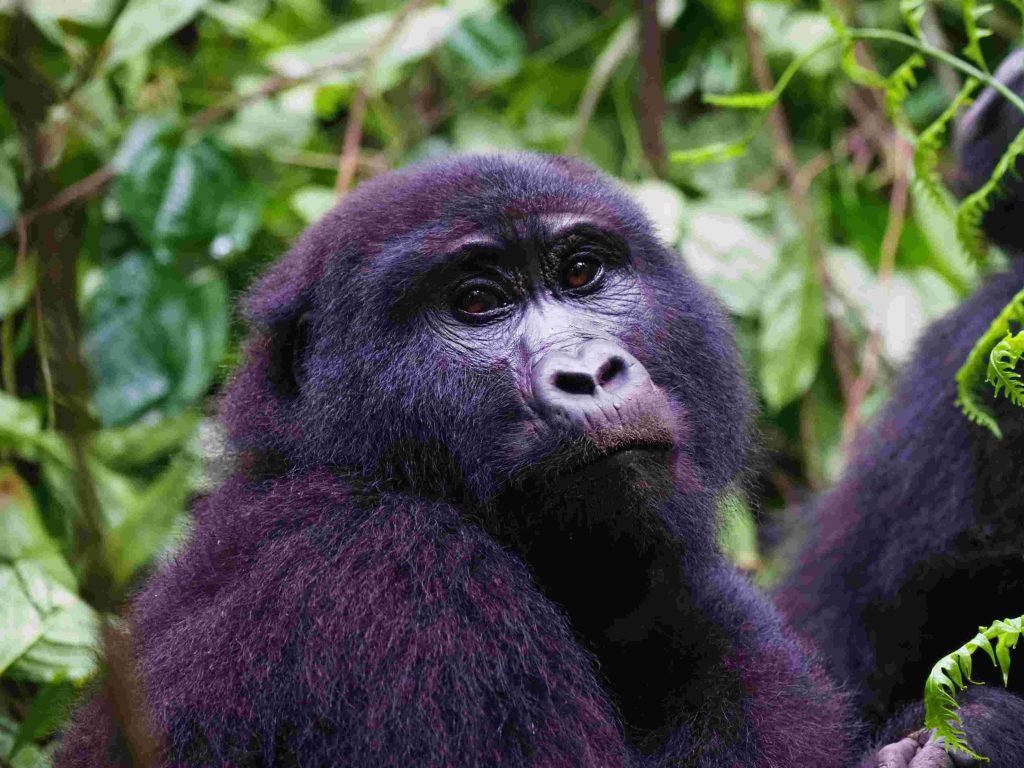
Gorilla trekking is a guided forest adventure where we walk into the natural habitat of mountain gorillas to find and observe a habituated gorilla family.
Unlike a traditional wildlife safari, we do not sit inside a vehicle waiting for animals to appear. Instead, we walk through dense forest with experienced guides, trackers, and park rangers who help us locate the gorillas.
The experience can involve steep slopes, thick vegetation, muddy trails, and changing weather. We also cannot predict exactly where the gorillas will be when we enter the forest.
That uncertainty is part of what makes gorilla trekking so remarkable.
Once we find the gorilla family, we follow the ranger’s instructions and observe the animals while respecting their space and natural behaviour.
In this guide, we explain what gorilla trekking means, where you can do it, what the experience is like, how difficult it can be, what it costs, and how to prepare.

What Is Gorilla Trekking
What Is Gorilla Trekking?
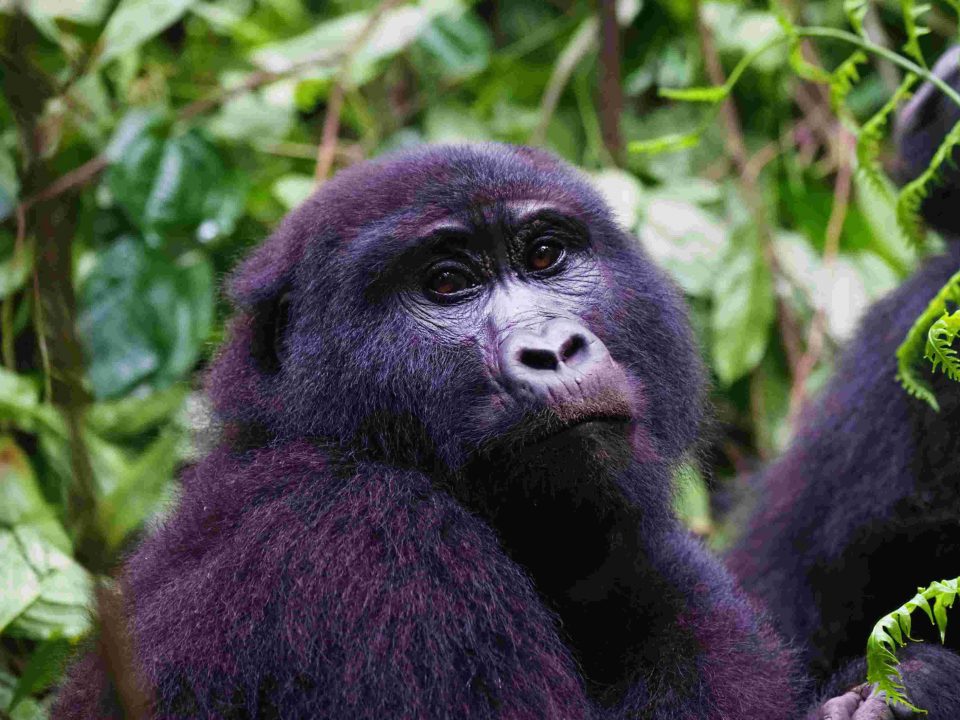
Gorilla trekking means walking through a protected forest in search of a habituated mountain gorilla family. The word habituated is important. These gorillas remain wild animals, but selected groups have become accustomed to controlled human presence through carefully managed conservation programmes.
They are not domesticated. We therefore enter the forest as visitors rather than expecting the gorillas to behave like animals in captivity.
During a trek, we travel with trained guides, rangers and trackers. They help us navigate the forest and locate the gorilla family.
The terrain can vary considerably. We may encounter steep ground, tangled vegetation, exposed roots, mud and wet conditions.
That combination of hiking, wildlife tracking and close observation makes gorilla trekking very different from most conventional safari activities.
What Is a Gorilla Trekking Experience Really Like?
A gorilla trekking experience starts long before we see the gorillas.
The day normally begins with a briefing at the relevant park headquarters or meeting point. The ranger team explains the rules and prepares us for the conditions ahead.
We then begin walking toward the area where the gorilla family is expected to be.
Trackers work to establish the family’s location while guides and rangers lead visitors through the forest.
The route is not fixed.
Gorillas move naturally through their habitat, so the distance we walk depends on where the family is located that day.
Eventually, the trackers locate the group.
At that point, the atmosphere changes. We slow down, keep our movements controlled and listen closely to the ranger’s instructions.
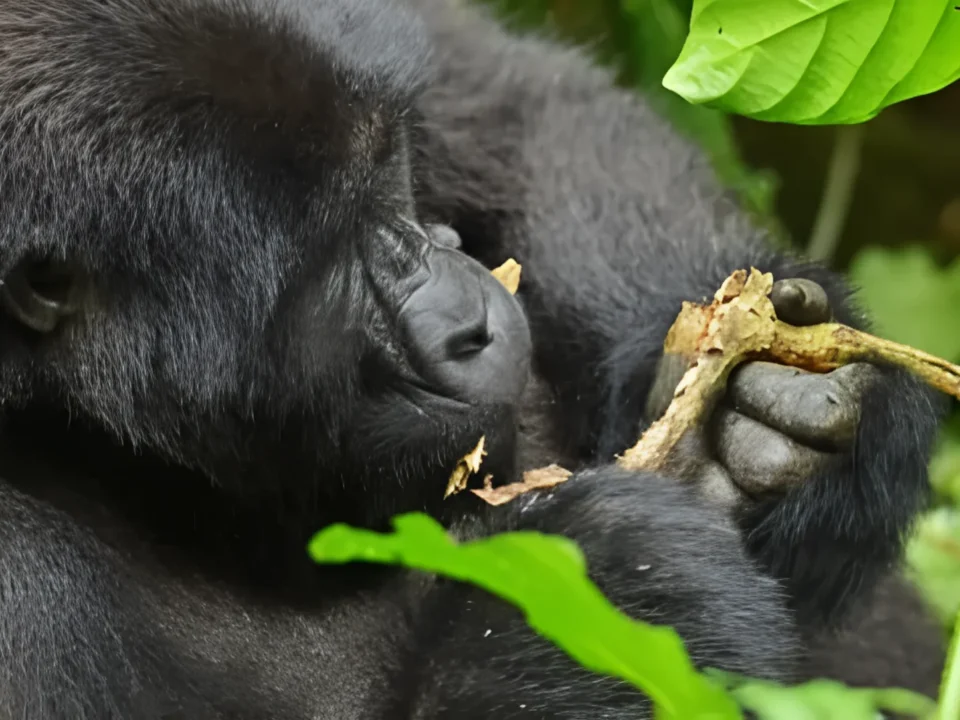
The gorillas may be feeding, resting, climbing, playing or moving through the vegetation.
For many travelers, that first direct encounter is the moment that makes the entire trek worthwhile.
What Happens During Gorilla Trekking?
The practical process is straightforward, even though every trek is different.
-
We attend the briefing
Before entering the forest, the ranger team explains the trekking procedure, safety requirements and wildlife rules.
-
We begin the trek
We walk toward the area where the assigned gorilla family is expected to be.
-
Trackers locate the family
Experienced trackers use their knowledge of the forest and signs from the gorillas to help establish their location.
-
We approach carefully
Once the family is located, we move according to the ranger’s instructions.
-
We observe the gorillas
We watch the family without disturbing its natural behaviour. Photography is permitted subject to the applicable rules.
-
We leave the forest
After the regulated viewing period, we leave the gorillas and begin the return journey.
The exact experience can vary significantly because the animals determine where the trek takes us.
How Long Does Gorilla Trekking Take?
There is no fixed trekking duration that applies to every group.
Some travelers may reach their assigned gorilla family relatively quickly. Others may spend several hours walking through the forest before the trackers locate the group.
The main factor is the location and movement of the gorillas.
Terrain, weather and elevation can also influence the pace.
For that reason, we recommend treating gorilla trekking as a genuine forest hike rather than a scheduled sightseeing activity.
We also advise leaving enough flexibility in your itinerary after the trek. A tight schedule can create unnecessary pressure when the animals naturally require more tracking time.
The permitted gorilla viewing period follows the current regulations of the relevant park authority, so travelers should confirm the latest rules before their trek.
Is Gorilla Trekking Difficult?
Gorilla trekking can be physically challenging, although the difficulty varies from one trek to another.
We may walk across steep slopes, muddy trails, uneven ground and dense vegetation. Rain can make some sections slippery, while elevation and the overall walking distance can increase the physical demands.
The difficulty also depends on your own fitness and mobility.
We recommend preparing for the trek as you would prepare for a serious nature hike.
Regular walking before your safari is useful. If possible, add hills, stairs or longer walks to your preparation.
You do not need to be an elite athlete.
However, arriving with reasonable stamina and suitable footwear can make a significant difference to your comfort.
Do You Need to Be Fit for Gorilla Trekking?
You do not need exceptional athletic ability to go gorilla trekking.
However, you should be prepared for the possibility of sustained walking through challenging terrain.
Your fitness level is only one part of the equation.
Good hiking boots, suitable clothing, rain protection, an experienced guide and porter support can all make the experience easier.
If you have concerns about mobility, stamina or physical preparation, tell us before your safari.
We can then discuss practical options based on your circumstances.
Older travelers can also participate in gorilla trekking, provided the experience is planned around their abilities and current park requirements.
For more detailed advice, we recommend our dedicated Gorilla Trekking for Seniors guide.
Where Can You Go Gorilla Trekking?
The two principal destinations for the gorilla safaris we arrange are Uganda and Rwanda.
In Uganda, mountain gorilla trekking takes place in:
In Rwanda, the main destination is:
All three destinations offer access to mountain gorillas, but the surrounding travel experience differs.
Your choice should therefore consider more than the gorilla permit.
We recommend looking at transportation, accommodation, your overall itinerary, budget and the other experiences you want to include.
What Is Gorilla Trekking Like in Uganda?
Uganda offers mountain gorilla trekking in Bwindi Impenetrable National Park and Mgahinga Gorilla National Park.
Bwindi is particularly important because trekking takes place across different sectors of the forest.
These include:
- Buhoma
- Ruhija
- Rushaga
- Nkuringo
The sector assigned to your permit matters when planning your accommodation and transportation.
We therefore recommend coordinating the permit location with your lodge and transfer arrangements.
Uganda can also work particularly well for travelers who want to combine gorilla trekking with a broader safari.
You can build a longer itinerary around experiences such as chimpanzee trekking, wildlife viewing and other activities in Uganda.
What Is Gorilla Trekking Like in Rwanda?
Rwanda’s principal mountain gorilla trekking destination is Volcanoes National Park.
The park forms part of the wider Virunga mountain ecosystem and offers access to habituated mountain gorilla families.
One advantage for some travelers is the relatively straightforward connection between Kigali and the park.
This can make Rwanda appealing when you want a shorter itinerary centered around gorilla trekking.
However, convenience is only one consideration.
We recommend comparing the complete trip, including accommodation, transportation, permits and other activities before deciding.
There is no single country that is automatically better for every traveler.
For a detailed comparison, see our Uganda vs Rwanda Gorilla Trekking guide.
What Happens When You Find the Gorillas?
Finding the gorilla family is often the most anticipated moment of the entire experience.
After potentially several hours of walking, the trackers finally locate the group.
We become quieter and follow the ranger’s instructions as we approach.
The behavior you see cannot be guaranteed.
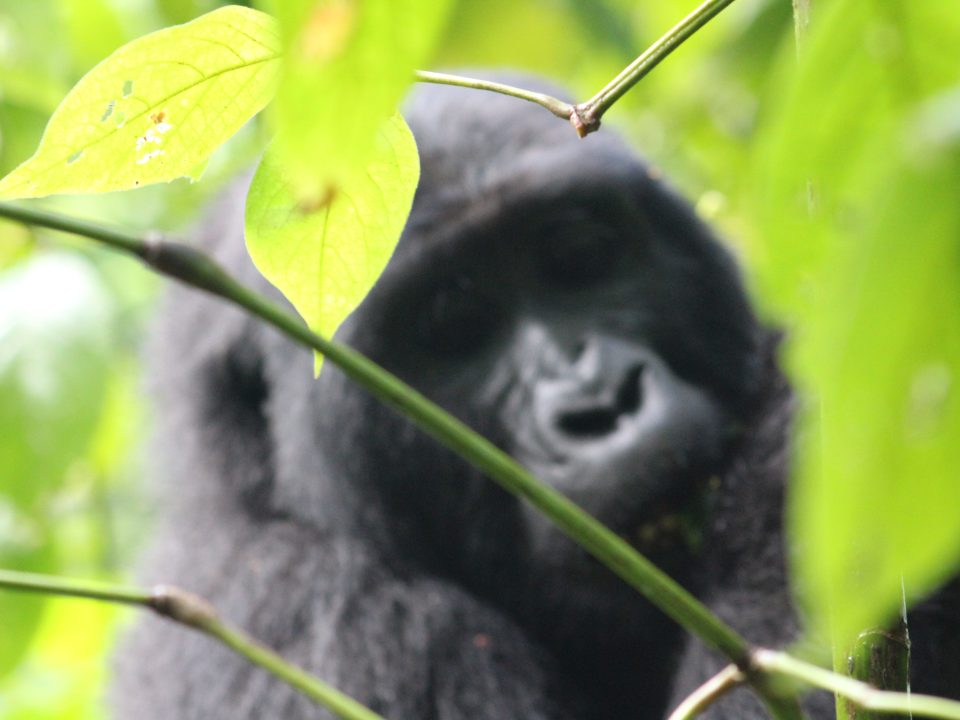
A silverback may be resting. Infants may be interacting with their mothers. Juveniles may be playing while other members of the group feed nearby.
The family may also move while we are watching.
We encourage travelers to photograph the experience, but not to spend the entire encounter behind a camera.
Some of the most memorable moments happen when you simply stand quietly and watch the gorillas behave naturally.
Can a Gorilla Approach You?
A gorilla may sometimes move closer to visitors. If this happens, we do not attempt to touch the animal or initiate an interaction.
Instead, we remain calm and follow the ranger’s instructions and the gorilla determines its own movement.
We are guests in its habitat, so our responsibility is to avoid disturbing the animal and maintain the appropriate distance.
This is one of the most important differences between observing gorillas in the wild and interacting with animals in captivity.
Are Mountain Gorillas Dangerous?
Mountain gorillas are powerful wild animals, and we treat every encounter with appropriate respect.
Gorilla trekking is conducted under controlled conditions with trained guides and rangers who understand the animals and the environment.
The safest approach is also the simplest:
Listen to your ranger.
We never encourage visitors to approach, chase, feed or touch gorillas.
We also avoid sudden movements and unnecessary noise.
The ranger’s instructions take priority throughout the encounter.
Can You Touch a Gorilla During Gorilla Trekking?
No.
Even if a gorilla moves close to you, do not attempt to touch it.
Remain calm and follow the ranger’s instructions.
Gorilla trekking is an observation experience.
Allowing the animals to move naturally helps protect both the gorillas and visitors.
It also preserves the character of the encounter. We are there to observe wild animals rather than turn the experience into physical interaction.
How Close Can You Get to Mountain Gorillas?
The permitted viewing distance is determined by the current regulations of the relevant park authority.
We recommend following the ranger’s instructions rather than relying on a distance quoted in an old travel article.
Wildlife regulations can change as conservation authorities respond to new research and management requirements.
Your ranger will explain the applicable rules before and during the trek.
Our objective is to observe the gorillas while minimizing disturbance.
How Much Does Gorilla Trekking Cost?
Gorilla trekking costs more than the price of the permit alone.
When we plan a gorilla safari, we also consider:
- Gorilla permit
- Accommodation
- Transportation
- Meals
- Guide services
- Porter services
- Flights where applicable
- Additional activities
- Visa and travel expenses
Permit prices can change, so travelers should confirm current official rates before booking.
We recommend using our dedicated Gorilla Trekking Cost 2026–2027 guide when you need a detailed budget.
This page should explain what gorilla trekking means rather than duplicate the complete cost breakdown.
What Is Gorilla Trekking
What Is a Gorilla Trekking Permit?
A gorilla trekking permit gives you authorization to participate in the regulated gorilla trekking experience.
It is not the same thing as the total cost of your safari.
Your accommodation, transportation and other itinerary components may be charged separately unless they are included in your safari package.
Because permits are limited, availability can also influence how far in advance you need to plan.
We recommend confirming your preferred travel dates and permit requirements early, particularly for high-demand periods.
How to Prepare for Gorilla Trekking
Good preparation can make the experience considerably more comfortable.
We recommend focusing on four areas.
Prepare your fitness
Walk regularly before your trip.
Add hills, stairs or longer walks if possible.
The goal is not to become an athlete. It is to make sustained walking feel familiar.
Prepare your footwear
Choose sturdy hiking boots with good grip.
Break them in before your safari rather than wearing brand-new boots for the first time in the forest.
Prepare for rain
Mountain forests can be wet even when the wider region is experiencing favorable weather.
Carry a waterproof jacket or poncho.
Prepare mentally
Accept that the gorillas control the timetable.
You may walk farther than expected. The trail may become muddy. The weather may change.
That uncertainty is part of gorilla trekking.
What Should You Wear for Gorilla Trekking?
We recommend practical clothing that protects you from vegetation, rain and changing forest conditions.
Our basic clothing recommendations include:
- Sturdy hiking boots
- Long trousers
- Long sleeves
- Waterproof jacket or poncho
- Comfortable hiking socks
- Hiking or gardening gloves
- Hat
- Lightweight backpack
- Reusable water bottle
Good footwear is particularly important because muddy forest trails can become slippery.
Gloves can also be useful when you need to steady yourself against vegetation.
For a complete equipment breakdown, use our dedicated What to Wear Gorilla Trekking guide.
Do You Need a Porter for Gorilla Trekking?
A porter is not simply someone who carries your bag.
For some travelers, porter support can make the trek considerably more comfortable.
A porter can carry your daypack and provide physical assistance on difficult sections.
We particularly recommend considering one if you:
- Carry camera equipment
- Have concerns about stamina
- Want help on steep terrain
- Have balance concerns
- Prefer to reduce the weight you carry
We also see porter services as an opportunity for travelers to support people living around protected areas.
Our dedicated Gorilla Trekking Porters guide explains the service in greater detail.
When Is the Best Time for Gorilla Trekking?
Gorilla trekking is possible throughout the year.
Drier periods can offer more manageable trail conditions, but the gorilla habitat remains a tropical forest.
Rain is therefore always possible.
During wetter periods, trails may become muddier and more slippery. However, wet-season trekking remains possible with appropriate clothing and footwear.
We recommend choosing your dates according to your complete safari rather than expecting one month to guarantee perfect conditions.
If seasonality is important to your planning, our Best Time for Gorilla Trekking guide provides more detail.
What Are the Rules for Gorilla Trekking?
Gorilla trekking is carefully regulated to protect both people and gorillas.
We ask every traveler to:
- Follow the ranger’s instructions.
- Maintain the required viewing distance.
- Never touch the gorillas.
- Avoid sudden movements.
- Keep noise to a minimum.
- Never feed the animals.
- Follow current photography rules.
- Avoid trekking when ill.
- Respect the permitted viewing conditions.
The exact regulations can change.
For that reason, travelers should always follow the current instructions provided by the relevant park authority and ranger team.
Why Is Gorilla Trekking Important for Conservation?
Gorilla trekking is more than a wildlife activity.
The controlled tourism model connects visitors with protected forest ecosystems and creates economic value around conserving mountain gorilla habitat.
The wider conservation system involves protected areas, rangers, researchers, local communities and tourism workers.
When we take travelers into the forest, we want them to understand this broader connection.
Your trek should therefore involve more than taking photographs.
It should also involve respecting the forest, following the rules and recognizing why protecting mountain gorilla habitat matters.
What Is the Difference Between Gorilla Trekking and Gorilla Habituation?
Gorilla trekking and gorilla habituation are related, but they are not the same experience.
During standard gorilla trekking, visitors spend a regulated period observing a habituated gorilla family.
A gorilla habituation experience involves a different process, where selected gorilla groups are gradually becoming accustomed to human presence.
The habituation experience can provide a longer and more immersive encounter.
If you want to understand the difference before booking, see our dedicated Gorilla Habituation Experience guide.
What Is the Difference Between Gorilla Trekking and Gorilla Tracking?
You will see both terms used throughout safari websites and travel information.
In practical tourism language, gorilla trekking and gorilla tracking generally describe the same activity.
Both refer to walking through the forest with trained guides and trackers to locate and observe a gorilla family.
We use both terms because travelers search for both.
The important distinction is not the wording.
It is understanding that the experience involves walking through natural habitat and tracking wild gorillas rather than visiting an enclosed attraction.
What Should You Expect on Your First Gorilla Trek?
We recommend expecting three things:
- Walking. Uncertainty. An extraordinary wildlife encounter.
- You may not know exactly how far you will walk.
- The weather can change.
- The trail can become muddy.
- The gorillas may be farther away than expected.
- None of these necessarily means the trek has gone wrong.
- They are normal elements of searching for wild animals in their natural habitat.
- The best preparation is therefore not trying to predict every detail.
Instead, arrive with suitable clothing, good footwear, reasonable fitness, an open mind and a willingness to follow your ranger’s instructions.
Gorilla Trekking: What to Know Before You Book
Before booking your trek, we recommend considering five questions.
Can I manage a forest hike?
If you have concerns about fitness or mobility, tell us before booking.
Which country suits my itinerary?
Compare Uganda and Rwanda according to the complete safari rather than looking only at permit prices.
What is my total budget?
Remember that the permit represents only one part of the overall trip.
What equipment will I need?
Good footwear, rain protection and suitable clothing are more important than expensive safari gear.
Am I comfortable following wildlife rules?
You will be entering a protected natural environment.
Respecting ranger instructions is essential for both your safety and the wellbeing of the gorillas.
Gorilla Trekking FAQs
What is gorilla trekking in simple terms?
Gorilla trekking is a guided forest hike where we search for and observe a habituated mountain gorilla family in its natural habitat.
How long does gorilla trekking take?
The walking time varies according to the location of the gorilla family, its movements and the terrain.
Is gorilla trekking worth it?
For travelers who value rare wildlife encounters and are prepared for a potentially demanding forest hike, gorilla trekking can be an exceptional experience. The value ultimately depends on your interests, expectations and budget.
Is gorilla trekking safe?
It is a regulated wildlife activity conducted with trained guides and rangers. Visitors must follow the applicable safety and wildlife rules.
Can children go gorilla trekking?
Minimum age requirements apply and should be confirmed against the current regulations for your chosen destination before booking.
Can seniors go gorilla trekking?
Many older travelers participate successfully. Fitness, mobility and preparation matter more than age alone.
What happens if it rains?
The trek can normally continue in wet conditions, subject to park rules and ranger instructions. Waterproof clothing and suitable footwear are essential.
What happens if the trackers cannot immediately find the gorillas?
The trackers continue searching according to the location and movements of the gorilla family. There is no guaranteed walking distance or fixed search time.
Can I photograph the gorillas?
Yes, photography is generally part of the experience, subject to current park rules and your ranger’s instructions.
Do I need a gorilla trekking permit?
Yes. Gorilla trekking is regulated and requires the appropriate permit for the destination.
Can I touch a gorilla?
No. Even if a gorilla approaches you, remain calm and follow the ranger’s instructions.
What should I bring for gorilla trekking?
At minimum, we recommend suitable hiking boots, long clothing, rain protection, water, personal medication and a lightweight daypack.
Plan Your Gorilla Trekking Experience With Us
We arrange gorilla trekking experiences in Uganda and Rwanda and help travelers coordinate the practical details around permits, accommodation, transportation and the rest of their safari.
We can also help you decide which destination fits your budget, travel dates, physical ability and wider East African itinerary.
Explore our Gorilla Safaris or contact Primate World Safaris to discuss your plans.
For us, a successful gorilla trekking experience begins before you reach the forest.
It starts with knowing what the trek involves, preparing properly and understanding that you are entering the natural habitat of wild mountain gorillas.
Once you are prepared, you can stop worrying about what might happen and focus on the experience itself.