
Weather, Seasons, Temperature & Best Time to Visit
Uganda is one of Africa’s most attractive year-round destinations thanks to its pleasant tropical climate, abundant wildlife, and breathtaking landscapes. Situated directly on the equator, many travelers are surprised to learn that the climate in Uganda is generally mild rather than excessively hot. This is because much of the country lies at elevations above 1,000 meters (3,280 feet), which moderates temperatures throughout the year.
Whether you are planning a gorilla trekking adventure in Bwindi Impenetrable Forest, a wildlife safari in Murchison Falls National Park, or a cultural tour through Kampala and Jinja, understanding the climate in Uganda will help you choose the best time to travel and prepare accordingly.
Overview of the Climate in Uganda
The climate in Uganda is classified as tropical, with relatively stable temperatures throughout the year. Unlike many countries that experience four distinct seasons, Uganda has two rainy seasons and two dry seasons.
The hottest months are generally January and February, while the wettest periods occur between March and May and again from September to November. However, due to regional variations in altitude, lakes, and mountain ranges, weather conditions can differ significantly from one part of the country to another.
Average daytime temperatures range from 24°C to 33°C (75°F to 91°F), while cooler nighttime temperatures typically range between 12°C and 18°C (54°F to 64°F).
Why Uganda Is Cooler Than Many Equatorial Countries
One of the most unique aspects of the climate in Uganda is that it remains comfortable despite the country’s location on the equator.
Most of Uganda sits on a high plateau averaging more than 1,000 meters above sea level. As altitude increases, temperatures naturally decrease. This elevation helps prevent the intense heat commonly experienced in many low-lying equatorial regions.
The result is a pleasant climate that has attracted travelers, explorers, and conservationists for generations. Sir Winston Churchill famously described Uganda as “The Pearl of Africa,” partly because of its favorable climate and stunning natural beauty.
Climate Zones in Uganda
Although Uganda is relatively small compared to many African countries, it has several distinct climate zones.
Central and Southern Uganda
Central Uganda, including Kampala, Entebbe, and the Lake Victoria region, experiences a humid tropical climate. Rainfall is distributed across two rainy seasons, while temperatures remain moderate throughout the year.
Northern Uganda
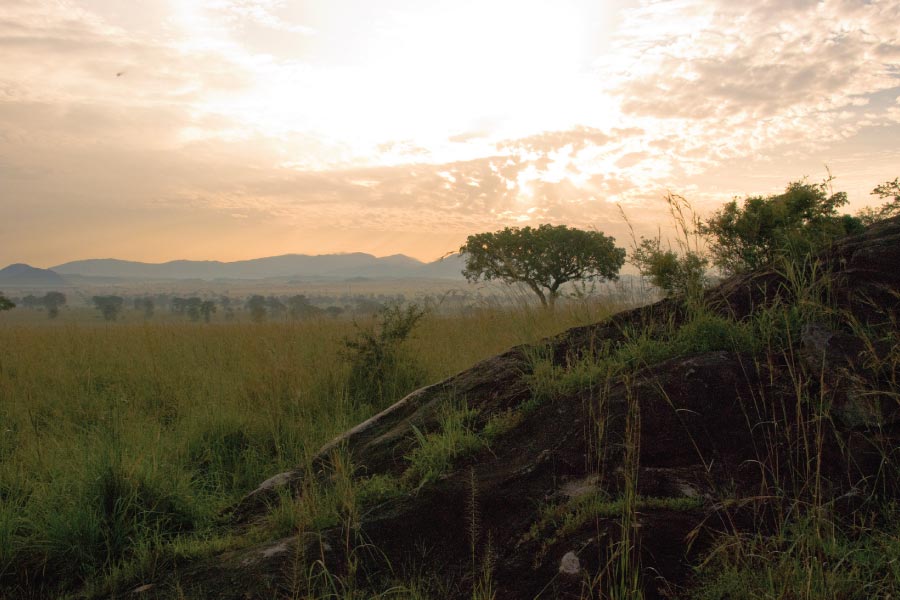
Northern Uganda experiences hotter temperatures and lower rainfall levels than the south. Areas such as Murchison Falls National Park and Kidepo Valley National Park often experience temperatures above 32°C (90°F).
Southwestern Highlands
The southwestern region, including Bwindi Impenetrable National Park and Mgahinga Gorilla National Park, experiences cooler conditions due to higher elevations. Early mornings and evenings can be surprisingly cold, particularly during gorilla trekking excursions.
Mountain Regions
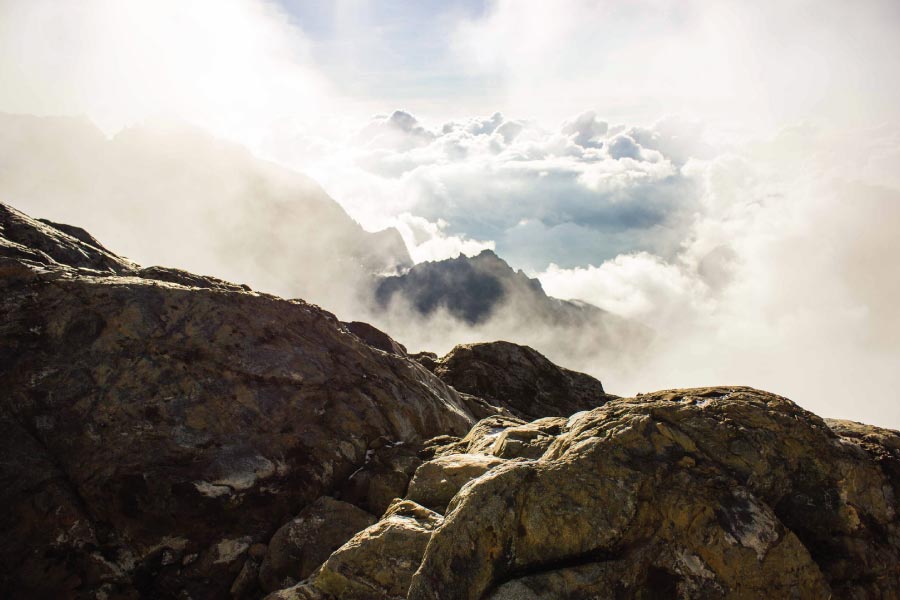
The Rwenzori Mountains and Mount Elgon experience alpine conditions at higher elevations. Temperatures decrease significantly with altitude, and the highest peaks can occasionally experience frost and snow.
Uganda’s Dry Seasons
June to August
June and July are generally the driest months in southern Uganda. These months are considered among the best times for safari holidays, gorilla trekking, chimpanzee tracking, and outdoor activities.
Average temperatures:
- Daytime: 27°C (81°F)
- Morning: 16°C (61°F)
Roads and forest trails are generally easier to navigate, making this peak tourist season.
Why Visit During This Period?
- Excellent wildlife viewing
- Easier gorilla trekking conditions
- Less rainfall
- Better road accessibility
December to February
The second dry season occurs between December and February.
January and February are often the warmest months of the year. Wildlife viewing is excellent as animals gather around remaining water sources.
Average temperatures:
- Daytime: 28°C (82°F)
- Morning: 16°C (61°F)
Northern Uganda experiences its most pronounced dry season during these months.
Uganda’s Rainy Seasons
March to May
This is typically the wettest period in many parts of Uganda.
April often receives the highest rainfall totals, particularly in southern and central regions. Rain usually falls in afternoon showers rather than lasting all day.
Average temperatures:
- Daytime: 28°C (82°F)
- Morning: 16°C (61°F)
Travel Considerations
- Forest trails become muddy
- Gorilla trekking can be more challenging
- Landscapes become exceptionally green and beautiful
- Fewer tourists and lower accommodation rates
September to November
The second rainy season is generally less intense than the first but still brings substantial rainfall.
October and November often experience frequent showers, particularly around Lake Victoria and central Uganda.
Benefits of traveling during this season include:
- Lush scenery
- Fewer crowds
- Excellent birdwatching opportunities
- Competitive safari rates
Monthly Weather in Uganda
| Month | Weather Conditions |
| January | Warm and dry |
| February | Warmest month, dry |
| March | Rainfall begins increasing |
| April | Wettest month in many regions |
| May | Continued rainfall |
| June | Dry season begins |
| July | Cool and dry |
| August | Mostly dry |
| September | Rainfall increases |
| October | Wet conditions return |
| November | Frequent rainfall |
| December | Dry season resumes |
Kampala Climate Compared to Uganda’s National Parks
Kampala enjoys one of the most pleasant urban climates in Africa due to its proximity to Lake Victoria.
Average temperatures remain remarkably consistent throughout the year:
- Average daytime highs: 27°C–29°C
- Average nighttime lows: 17°C–18°C
National parks differ significantly depending on their location.
Bwindi and Mgahinga
These gorilla trekking destinations are much cooler because of their elevation. Visitors should pack warm layers, waterproof jackets, and sturdy hiking boots.
Murchison Falls and Kidepo Valley
Northern parks experience warmer temperatures and lower humidity, making them ideal for classic African safari experiences.
How Lake Victoria Influences the Climate in Uganda
Lake Victoria plays a major role in shaping the climate in Uganda.
As Africa’s largest lake, it helps regulate temperatures across southern Uganda. Areas near the lake rarely experience extreme heat or cold because the lake acts as a natural temperature stabilizer.
The lake also increases humidity and contributes to local rainfall patterns. As a result, areas such as Entebbe, Kampala, and Jinja often receive occasional rainfall even during the drier months.
This moderating influence supports lush vegetation, fertile agricultural land, and diverse ecosystems throughout the region.
Climate Change and Weather Patterns in Uganda
Like many countries around the world, Uganda is experiencing the effects of climate change.
Scientists and local communities have reported shifts in seasonal rainfall patterns, longer drought periods in some regions, and occasional extreme weather events. These changes can affect agriculture, wildlife habitats, and water resources.
Despite these challenges, Uganda remains one of East Africa’s most reliable year-round travel destinations. Travelers should simply monitor weather forecasts closer to their departure dates.
Best Time to Visit Uganda
The best time to visit Uganda depends on your travel goals.
Best Time for Gorilla Trekking
The dry seasons offer the most comfortable trekking conditions:
- January to February
- June to August
Trails are less slippery, and visibility is often better in the forest.
Best Time for Wildlife Safaris
The end of the dry seasons provides excellent wildlife viewing opportunities because animals gather around water sources.
Recommended months:
- January
- February
- June
- July
- August
Best Time for Birdwatching
Birdwatchers often prefer the wetter months when migratory species are present, and breeding plumage is most visible.
Recommended months:
- November
- December
- March
- April
What to Wear in Uganda
Packing for Uganda is relatively straightforward.
We recommend:
- Lightweight clothing for daytime activities
- Long-sleeved shirts for mosquito protection
- Comfortable walking shoes
- Waterproof jacket
- Warm fleece or sweater for evenings
- Hiking boots for gorilla trekking
- Hat and sunscreen
Avoid bringing white clothing, especially for safari travel, as Uganda’s red earth roads can quickly stain light-colored fabrics.
Geography and Its Influence on Uganda’s Climate
Uganda lies between the eastern and western branches of Africa’s Great Rift Valley.
The country shares borders with:
- South Sudan
- Kenya
- Tanzania
- Rwanda
- Democratic Republic of Congo
The diverse landscape includes tropical rainforests, savannah grasslands, wetlands, lakes, volcanic mountains, and semi-arid regions.
This geographical diversity creates the varied climate conditions found throughout Uganda and contributes significantly to its rich biodiversity.
Frequently Asked Questions About the Climate in Uganda
What is the climate in Uganda like?
The climate in Uganda is tropical and generally mild throughout the year, with two rainy seasons and two dry seasons.
What is the hottest month in Uganda?
January and February are usually the hottest months, especially in northern Uganda.
Does Uganda experience winter?
No. Uganda does not experience traditional winter or summer seasons because of its equatorial location.
Does it rain all year in Uganda?
Rain can occur during any month, but rainfall is heaviest between March and May and between September and November.
Is Uganda good to visit year-round?
Yes. Uganda is a year-round destination, although the dry seasons are generally preferred for gorilla trekking and wildlife safaris.
Plan Your Uganda Adventure
The climate in Uganda is one of the country’s greatest assets. Comfortable temperatures, stunning landscapes, diverse ecosystems, and year-round travel opportunities make Uganda an exceptional destination for safaris, gorilla trekking, birdwatching, and cultural experiences.
Whether you’re exploring the misty forests of Bwindi, cruising along the Nile in Murchison Falls National Park, or discovering the vibrant cities around Lake Victoria, understanding Uganda’s climate will help you make the most of your journey.
Ready to experience Uganda for yourself? Contact our safari specialists today and let us help you plan the perfect Uganda adventure tailored to the best weather conditions for your travel dates.
Best time to visit Uganda
Uganda has a tropical climate, with temperatures ranging from 21-25°C (70- 77°F), apart from in the mountainous areas, which are much cooler; the top of Mount Elgon is often covered with snow. The hottest months are December to February. Evenings can feel chilly after the heat of the day with temperatures around 12- 16ºC (54-61°F).
Most regions of Uganda, apart from the dry area in the north, have an annual rainfall of between 1,000mm and 2,000mm. There is heavy rain between March and May and between October and November, when road travel can become difficult in parts of the country. The best time for trekking is during the dry seasons, between January and February and June to September. Wildlife viewing is best at the end of the dry seasons, when game is more concentrated around water sources.