The Ultimate East African Safari Guide
For modern travelers seeking an authentic, raw, and profoundly transformative journey, one destination consistently rises to the top of the list. Widely recognized as the Pearl of Africa, a title popularized by Winston Churchill for its incredible concentration of diverse ecosystems, vibrant local hospitality, and distinct equatorial climate, Uganda has established itself as a premier destination for global tourism.
International tourist arrivals continue to grow annually, driven by a highly sustainable travel model. Visitors enjoy long stays, reflecting a deep commitment to discovering a country where untamed landscapes and intimate wildlife encounters intersect.
From tracking ancient primate lineages through mist-veiled rainforests to navigating the churning white waters of the Nile and exploring sweeping savannahs, Uganda offers an unparalleled portfolio of travel experiences. Here is a comprehensive breakdown of exactly why discerning travelers from across the globe choose a safari in Uganda.
-
Unrivaled Mountain Gorilla Trekking
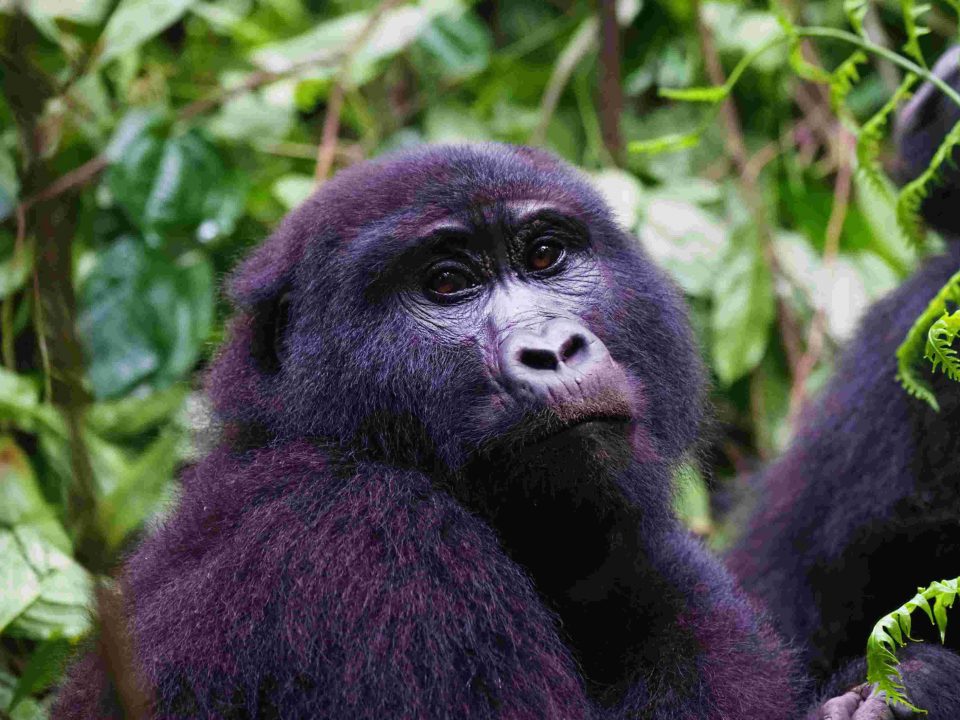
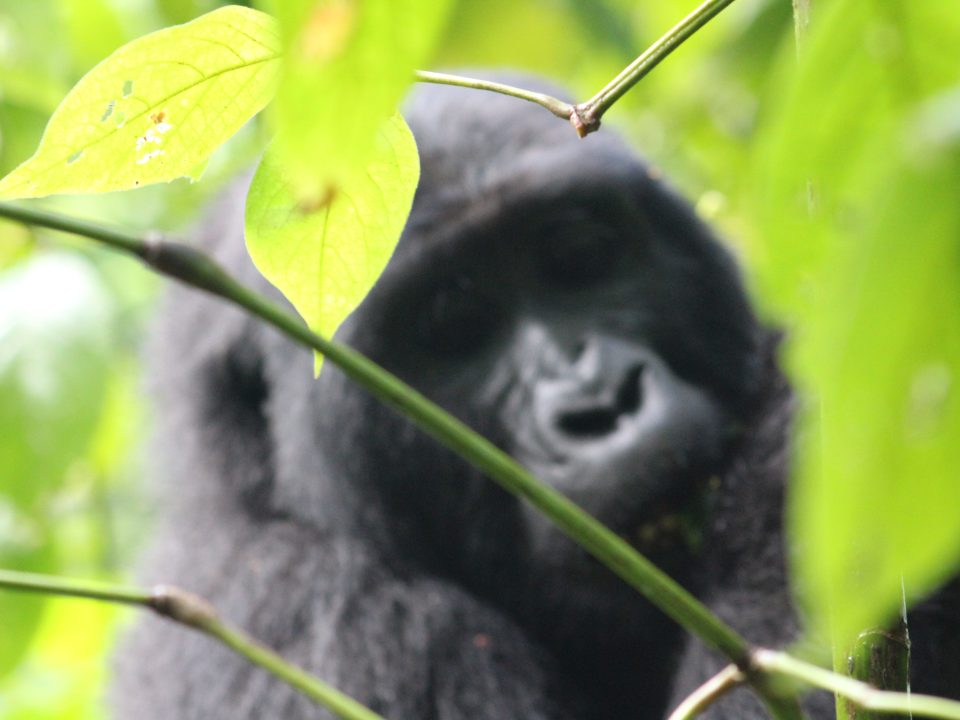
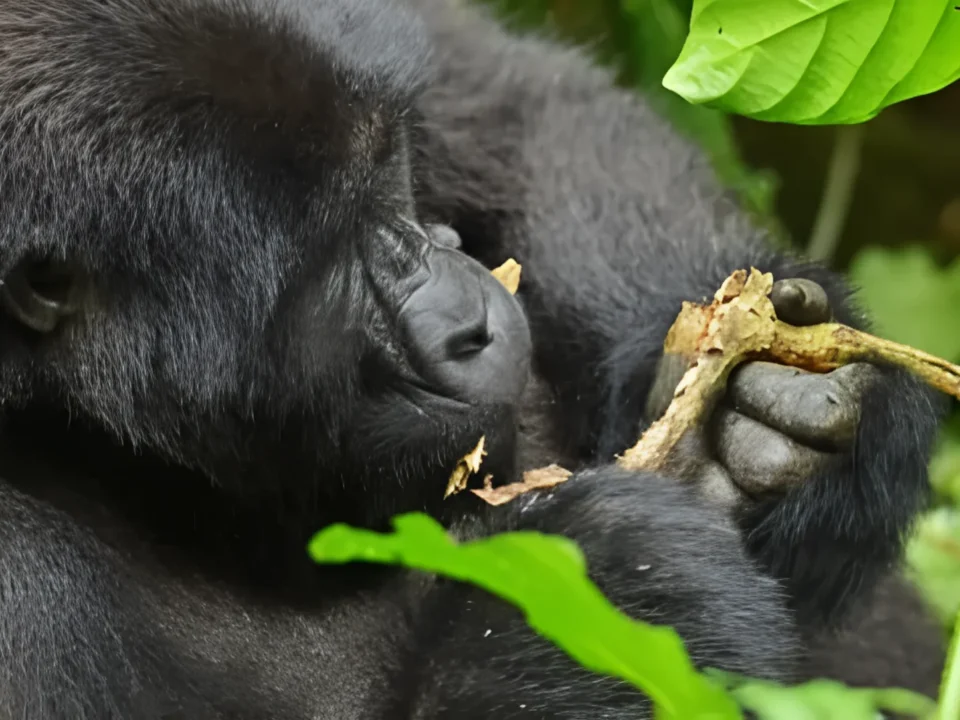
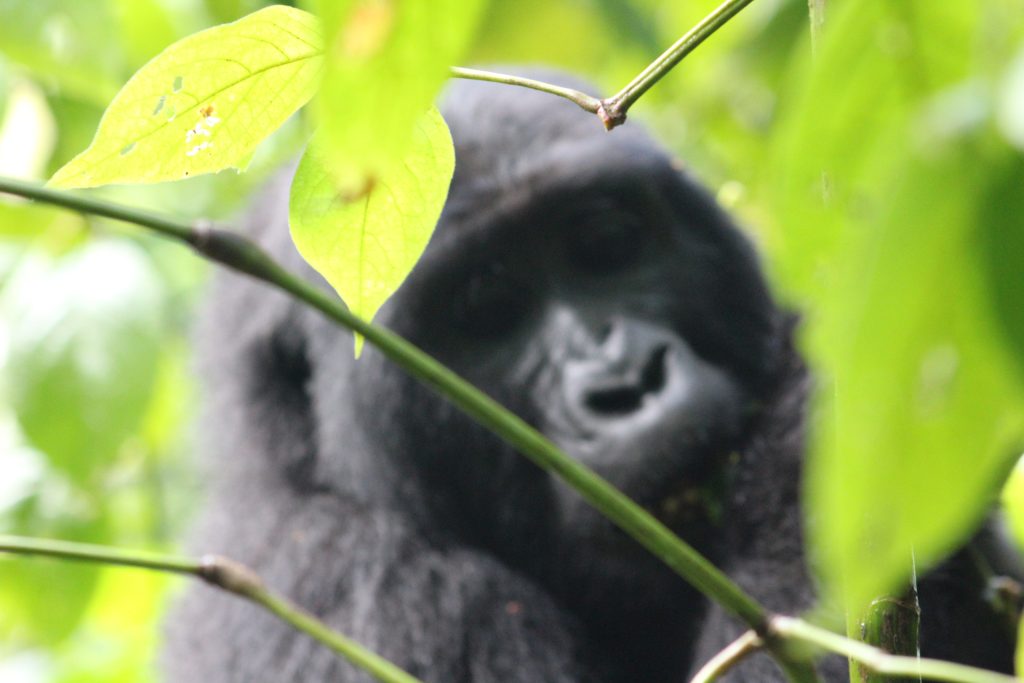
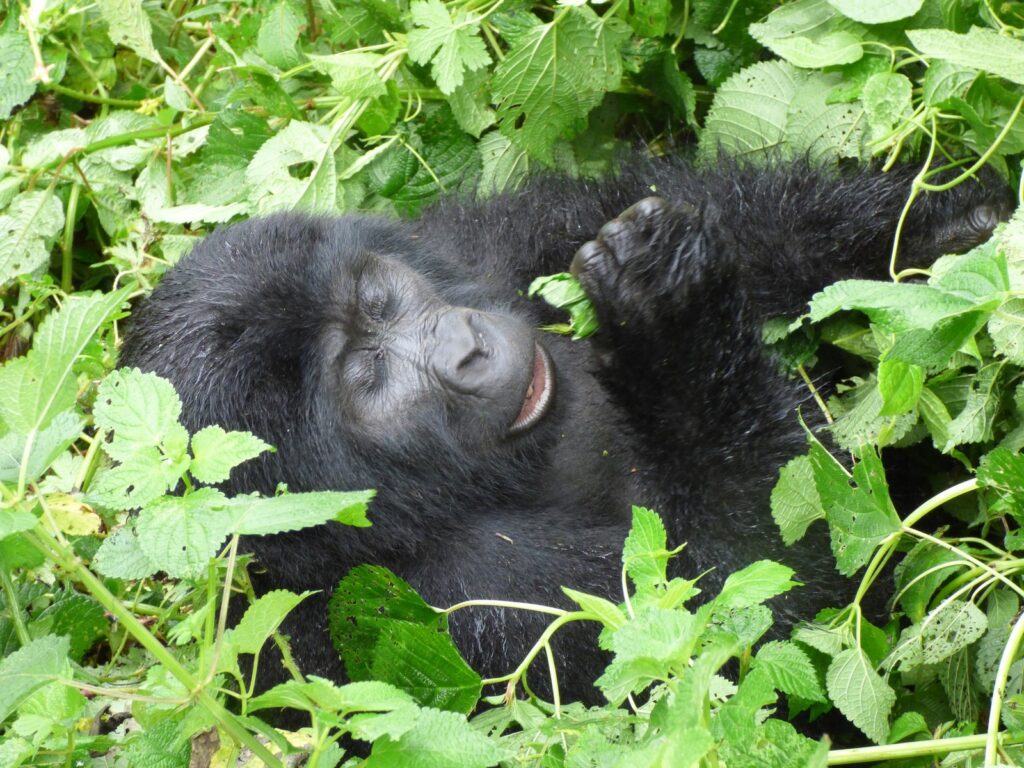
The single most definitive draw for international travelers to Uganda is the opportunity to stand meters away from a wild mountain gorilla family. Mountain gorillas (Gorilla beringei beringei) cannot survive in captivity, meaning a journey into their natural high-altitude habitat is the only way to witness these gentle giants.
Uganda plays a critical role in the survival of this endangered species, hosting more than half of the world’s remaining wild mountain gorilla population. The country has structured its conservation efforts around sustainable, low-impact tourism managed directly by the Uganda Wildlife Authority (UWA). To limit speculative blocking of dates, the historic 7-day reservation window has been adjusted, requiring immediate financial payment to secure permits.
 Mountain Gorilla Trekking and Habituation Costs
The investment required for these encounters directly funds critical veterinary monitoring and around-the-clock habitat protection.
| Activity & Tariff Type | Foreign Non-Resident (USD) | Foreign Resident (USD) | East African Citizen (UGX) |
| Standard Gorilla Trekking Permit | $800 | $700 | 300,000 UGX |
| Promotional Low-Season Permit (April, May, November) | $600 | $500 | 250,000 UGX |
| Gorilla Habituation Experience (Valid through Dec 2026) | $1,500 | $1,000 | 750,000 UGX |
| Revised Gorilla Habituation Permit (Effective Jan 1, 2027) | $1,800 | $1,600 | 750,000 UGX |
The Primordial Giants of Bwindi Impenetrable National Park
Bwindi is a UNESCO World Heritage site and an ecological marvel. Stretching across 321 square kilometers, this ancient, montane forest features a dense canopy that has survived for over 25,000 years. Bwindi hosts roughly 459 individual mountain gorillas divided into dozens of distinct troops, with over 20 families fully habituated for tourism across four distinct trekking sectors:
- Buhoma (North): Features gentler valley slopes and historic luxury eco-lodges.
- Ruhija (East): A high-altitude ridge favored by avid birdwatchers seeking rare Albertine Rift endemic species.
- Rushaga (South): A dynamic sector with the highest number of habituated families, ideal for deep-forest trekking.
- Nkuringo (Southwest): The most physically challenging sector, offering dramatic, panoramic views of the active Virunga Volcanoes alongside rugged, steep ridges.
Treks in Bwindi range from two to eight hours, scaling steep ridges, tangled undergrowth, and slippery volcanic slopes ranging between 1,160 and 2,607 meters above sea level. Watching silverbacks protect their young and observing complex social structures provides an unmatched wildlife experience.
The Volcanic Slopes of Mgahinga Gorilla National Park
For travelers seeking an alternative trekking environment, Mgahinga Gorilla National Park provides a dramatically different landscape. Part of the larger Virunga Conservation Area, Mgahinga covers Uganda’s portion of three striking, extinct volcanoes: Mount Muhabura, Mount Gahinga, and Mount Sabinyo.
The park features a single massive habituated troop, the Nyakagezi family, famed for its high concentration of multi-generational silverbacks. Trekking here shifts through striking bamboo zones and alpine moorlands, offering expansive volcanic vistas across international borders.
Conservation In Action: Gorilla tourism in Uganda directly finances wildlife preservation. Of every permit purchased, a meaningful percentage is funneled directly back into surrounding communities to fund schools, clinics, and infrastructure, ensuring local communities remain primary stakeholders in wildlife conservation.
-
World-Class Chimpanzee Tracking and Habituation
While gorilla trekking captures global headlines, Uganda is also the premier destination for wild chimpanzee (Pan troglodytes) tracking, with a total population exceeding 5,000 individuals across its protected rainforests.
Kibale National Park: The Primate Capital of the World
Kibale contains one of the most beautiful and varied tracts of tropical forest in the region, boasting the highest density and diversity of primates in Africa. Thirteen distinct species reside here, including the rare L’Hoest’s monkey, Ugandan red colobus, and grey-cheeked mangabey. However, the 1,500 resident chimpanzees are the primary focus.
- Standard Chimpanzee Tracking: Led by UWA rangers, small groups venture into the forest on well-maintained trail systems. The chimpanzees of Kibale are highly habituated, allowing visitors to view them grooming, feeding, and swinging effortlessly through the 30-meter-high canopy.
- Chimpanzee Habituation Experience (CHEX): For travelers seeking a profound connection, Uganda offers immersive habituation permits. Accompanied by researchers and conservationists, visitors spend extended time with a chimp community undergoing habituation, witnessing them wake from their morning nests or forage in deep forest clearings.
Chimpanzee Tracking and Habituation Costs
To ensure sustainable funding for primate research and community revenue sharing, a revised tariff framework outlines the costs for these encounters.
| Activity & Location Profile | Foreign Non-Resident (USD) | Foreign Resident (USD) | East African Citizen (UGX) |
| Kibale Standard Tracking (Valid through Dec 2026) | $250 | $200 | 180,000 UGX |
| Kibale Discounted Low-Season Tracking (Off-Peak) | $200 | $150 | 150,000 UGX |
| Kibale Standard Tracking (Effective Jan 1, 2027) | $300 | $200 | 180,000 UGX |
| Kibale Habituation Experience (CHEX) (Effective 2027) | $400 | $300 | 250,000 UGX |
| Kyambura Gorge Tracking (Effective Jan 1, 2027) | $200 | $150 | 50,000 UGX |
Alternative Chimpanzee Havens
Beyond Kibale, primate enthusiasts can track chimpanzees in several unique topographies:
- The Kyambura Gorge: Located within Queen Elizabeth National Park, this underground tropical rainforest fractures the surrounding savannah landscape. Tracking here takes travelers deep into a 100-meter-deep valley where an isolated chimp community resides.
- Budongo Forest: Situated within the greater Murchison Falls Conservation Area, Budongo features old-growth mahogany trees and excellent tracking opportunities, particularly during the dry months when food sources are concentrated.
-
Classic Big Five Savannah Safaris
Uganda’s geographical positioning at the intersection of the East African savannah and the West African jungle allows it to offer a diverse multi-ecosystem safari. Visitors can transition from tracking primates in dense rainforests to viewing iconic large mammals on wide-open plains within the same day.
Core Ecosystem Features Across Safari Parks
Each reserve showcases a distinct terrain, supporting a specialized matrix of large mammals, predators, and aquatic life.
| National Park | Distinct Topography | Signature Mammal Highlights | Key Aquatic Feature |
| Murchison Falls NP | Borassus palm savannah, riverine woodland | Rothschild’s giraffe, Cape buffalo, lion, leopard | Victoria Nile River Delta |
| Queen Elizabeth NP | Acacia woodland, open savannah, crater lakes | Tree-climbing lion, elephant, hippo, waterbuck | Kazinga Channel Waterway |
| Kidepo Valley NP | Semi-arid plains, rugged mountain borders | Cheetah, caracal, bat-eared fox, large buffalo herds | Narus and Kidepo Riverbeds |
Murchison Falls National Park: The Force of the Nile
As Uganda’s oldest and largest protected conservation area, Murchison Falls is split in two by the iconic Victoria Nile. The park is home to 76 mammal species and is an absolute stronghold for the endangered Rothschild’s giraffe. Early morning game drives on the northern bank deliver regular sightings of lions, leopards, and heavy herds of Cape buffalo.
Queen Elizabeth National Park and the Tree-Climbing Lions
Framed by the snow-capped Rwenzori Mountains, this park features a stunning mosaic of open plains, crater lakes, and wetlands. In the remote southwestern Ishasha Sector, travelers can witness a rare behavioral phenomenon: entire prides of lions that spend their days draped over the limbs of ancient sycamore fig trees.
This tree-climbing adaptation allows the lions to escape the painful bites of ground-dwelling tsetse flies, enjoy cooler elevated breezes, and maintain an unimpeded 360-degree view of their primary prey, the Uganda Kob.
Ziwa Rhino Sanctuary: Rebirthing a Legend
To complete the classic Big Five roster, travelers make a critical stop at the 70-square-kilometer Ziwa Rhino Sanctuary. Following the complete eradication of wild rhinos in Uganda due to historic poaching, Ziwa was established to breed Southern White Rhinos (Ceratotherium simum simum). Here, accompanied by expert armed rangers, visitors embark on foot-tracking safaris, approaching these prehistoric giants within a safe distance of 7 to 10 meters.
-
Adventure Sports Capital: Jinja and the Source of the Nile
For adrenaline junkies and outdoor enthusiasts, the historic town of Jinja serves as the vibrant adventure sports capital of East Africa. Located roughly 80 kilometers east of Kampala, Jinja sits at the point where the White Nile outflows from Lake Victoria to begin its legendary 6,600-kilometer journey northward to the Mediterranean Sea.
The turbulent rapids immediately downriver from the source create a playground for high-adrenaline water sports. Adrenaline junkies flock to Jinja to tackle world-class, grade-five white-water rafting expeditions through legendary rapids. Beyond rafting, Jinja offers a diverse menu of activities:
- White-Water Rafting: Navigating explosive grade-five rapids in custom-engineered inflatables, guided by international river professionals.
- Extreme Bungee Jumping: Plunging from a spectacular 44-meter platform suspended directly over the rushing currents of the Nile.
- Off-Road Quad Biking: Navigating muddy, high-speed trails that wind through remote rural villages and scenic agricultural farmlands along the riverbanks.
- Kayaking and Jet Boating: Powering through massive standing waves on high-speed, custom-engineered jet boats.
-
Unrivaled Birdwatching: A Paradise for Birders
With over 1,000 recorded bird species packed into a territory roughly the size of Great Britain, Uganda is an absolute paradise for birdwatchers. The country accounts for more than 50% of Africa’s total bird diversity, driven by its unique position overlapping several distinct avian biomes.
Avian Hotspots and Target Species
Avid birders travel to specific wetlands and forest reserves to check highly specialized species off their life lists.
| Avian Hotspot | Primary Habitat Type | Highly Sought-After Target Species |
| Mabamba Swamp | Papyrus-dominated wetlands | Shoebill stork, lesser jacana, African marsh harrier |
| Kibale Forest / Bigodi | Tropical rainforest & swamp margins | Green-breasted pitta, Great blue turaco, black bee-eater |
| Semuliki National Park | Central African lowland forest | Piping hornbill, Congo serpent eagle, Nkulengu rail |
The undisputed holy grail for visiting birders is the prehistoric-looking Shoebill stork (Balaeniceps rex). Mabamba Swamp, located a short boat ride across Lake Victoria from Entebbe, is the absolute best location to spot this rare bird. Navigating the narrow papyrus channels in a traditional motorized canoe allows birders to watch the giant, shoe-faced bird hunt lungfish with complete stillness.
-
Dramatic Scenic Landscapes and Volcanic Craters
Beyond the wildlife encounters, Uganda’s physical geography is a powerful draw. The country is scarred by the Western Rift Valley, resulting in a landscape of towering mountains, deep craters, and peaceful freshwater lakes.
The Snow-Capped Rwenzori Mountains
Often called the Mountains of the Moon, the Rwenzori range towers along the border. Unlike Kilimanjaro or Mount Kenya, the Rwenzoris are a non-volcanic block mountain range capped with permanent glaciers. Rising to 5,109 meters at Margherita Peak, this UNESCO World Heritage site offers a demanding multi-day alpine climbing experience through surreal landscapes of giant lobelias and moss-draped heather forests.
Lake Bunyonyi: The Place of Many Little Birds
Nestled in the extreme southwestern highlands close to the gorilla forests, Lake Bunyonyi is one of the deepest crater lakes in Africa. Framed by steep, beautifully terraced agricultural hills, the lake is dotted with 29 unique volcanic islands, each holding its own deep local folklore.
Because it is entirely free of bilharzia parasites, hippos, and crocodiles, Lake Bunyonyi is a safe haven for swimming, dugout canoeing, and quiet relaxation after a grueling mountain gorilla trek.
-
The Pearl Experience: Culture and Hospitality
While primates, birds, and savannah predators form the core of Uganda’s safari itinerary, the defining memory for most international visitors is the remarkable warmth of its people.
Uganda’s cultural landscape is incredibly rich, comprising over 56 distinct tribes and kingdoms, each preserving its own unique dances, culinary traditions, and linguistic history. Travelers can engage directly with local cultures through structured community-tourism initiatives:
- The Batwa Cultural Experience: Guided walks through the forest margins of Bwindi and Mgahinga led by indigenous Batwa elders, sharing ancient hunting techniques, traditional medicine, and fire-making practices used before the forests were gazetted as protected areas.
- Boomu Women’s Cultural Group: Located near Murchison Falls, this community collective allows visitors to experience traditional village life, engage in craft weaving, and discover local organic farming methods.
-
Strategic Trip Planning and Health Regulations
Executing a seamless safari through East Africa requires careful planning, adherence to strict health regulations, and administrative preparation before arrival.
Mandatory Health and Border Documents
- Yellow Fever Certificate: A valid International Certificate of Vaccination against Yellow Fever is an absolute, non-negotiable entry requirement. Border officials inspect this documentation carefully upon landing at Entebbe International Airport.
- Malaria Prevention: Uganda is a high-risk malaria zone. Visiting travelers must consult a specialized travel health clinic four to six weeks before departure to secure appropriate malaria prophylactics (such as Atovaquone/Proguanil or Doxycycline).
- Electronic Visa (e-Visa): Visas are no longer issued upon arrival. Travelers must apply and pay via the official Uganda Electronic Visa Portal prior to booking flights. Passports must hold at least six months of validity and contain two blank pages. The multi-country East Africa Tourist Visa ($100) is highly recommended for those combining their itinerary with neighboring regional tracks.
Strategic Packing Blueprint
To maintain absolute comfort across variable equatorial microclimates, visitors should pack with flexibility in mind:
- Neutral Earth Tones: Pack clothing in khaki, tan, and olive green. Avoid bright blue and black shirts completely, as these shades actively attract biting tsetse flies in woodland zones.
- Jungle Protection: Long-sleeved, moisture-wicking shirts and durable canvas trousers are essential for forest trekking. Tucking your trousers firmly into your socks is a standard, highly effective trick to block safari ants along the trail.
Uganda’s true magic lies in its completeness. Standing mere steps from a massive silverback in a misty cloud forest, feeling the raw spray of the Nile at Murchison Falls, or sharing a meal with welcoming local families pulls you completely out of the modern grid. It delivers a raw, authentic encounter with our natural world that stays with you long after the red dust of the roads has settled.