The Complete Guide to Planning the Adventure of a Lifetime
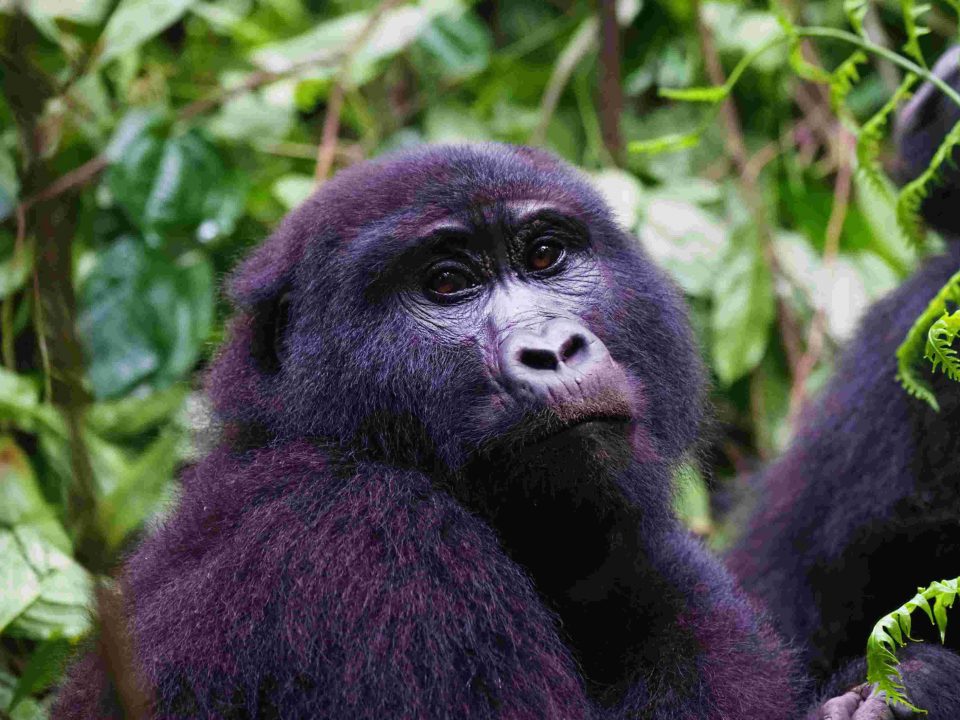
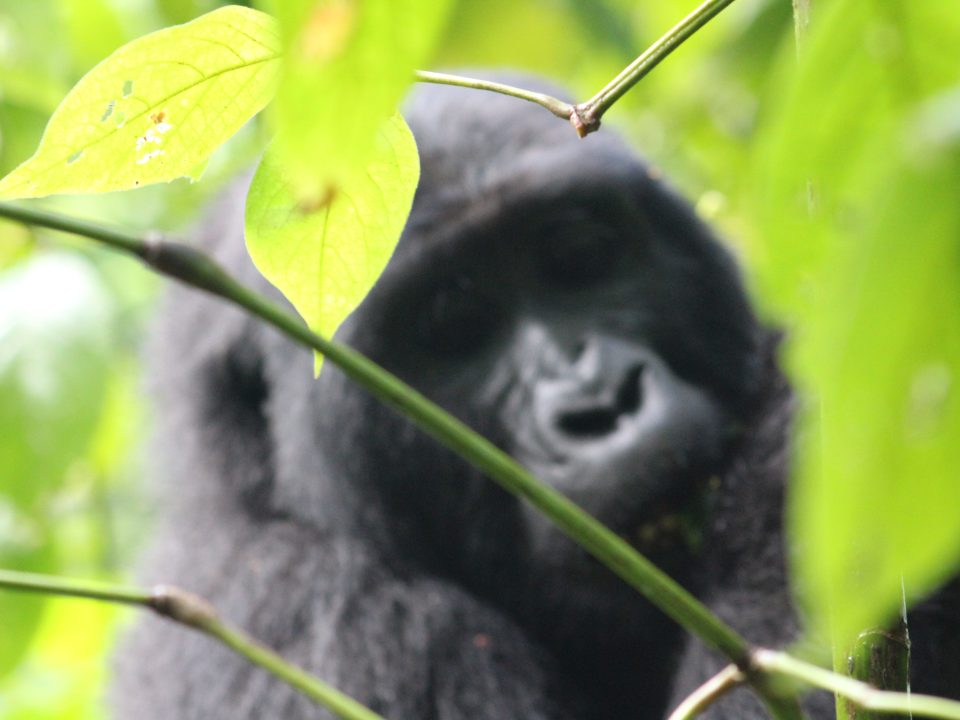
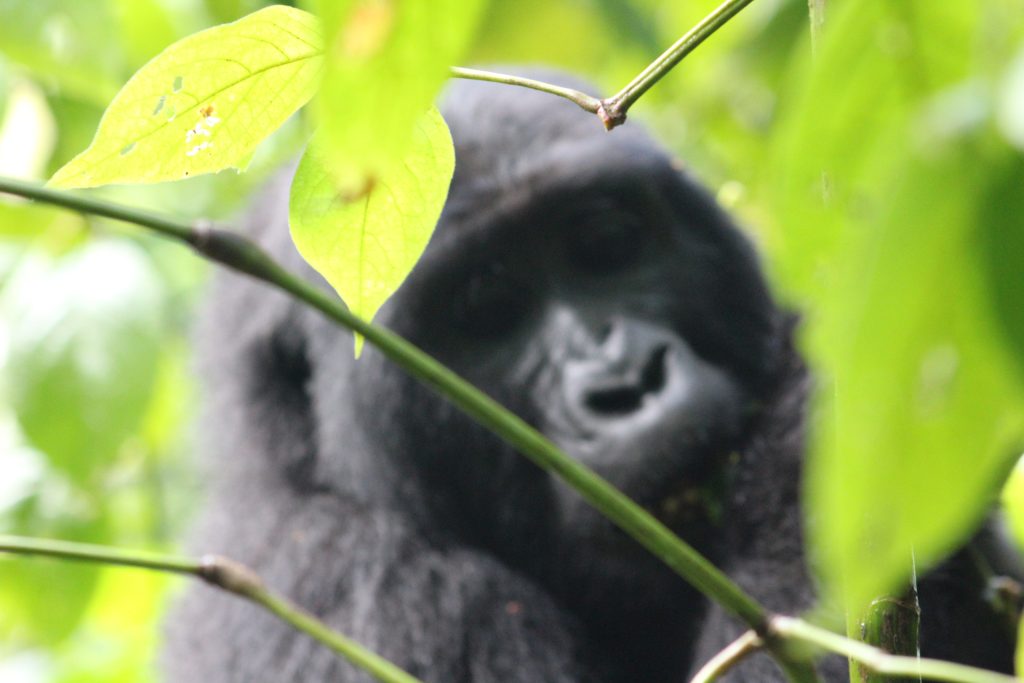
Watching a wild mountain gorilla quietly observe you from only a few meters away is one of Africa’s most unforgettable wildlife experiences. A gorilla safari isn’t just another vacation, it’s a rare opportunity to enter one of the world’s most protected rainforests and encounter one of humanity’s closest relatives in its natural habitat.
However, planning a gorilla trekking safari can feel overwhelming. Should you visit Uganda or Rwanda? How much does a gorilla permit cost? When is the best time to go? What should you pack? How fit do you need to be? And how can you avoid common mistakes that cost travelers both time and money?
This Gorilla Safari Planning Guide answers every one of those questions in one place.
Whether you’re organizing a budget gorilla safari, a luxury gorilla trekking holiday, or combining gorilla trekking with a Big Five safari, you’ll find expert advice, practical planning tips, and insider recommendations to help you make the most of your African adventure.
Why a Gorilla Safari Should Be on Every Wildlife Lover’s Bucket List
Unlike traditional game drives where wildlife can be viewed from a vehicle, gorilla trekking is an active conservation experience.
You’ll hike through ancient mountain forests with experienced guides and trackers, following fresh signs until you locate a habituated gorilla family. Once found, visitors are allowed just one magical hour with the gorillas.
That hour changes people.
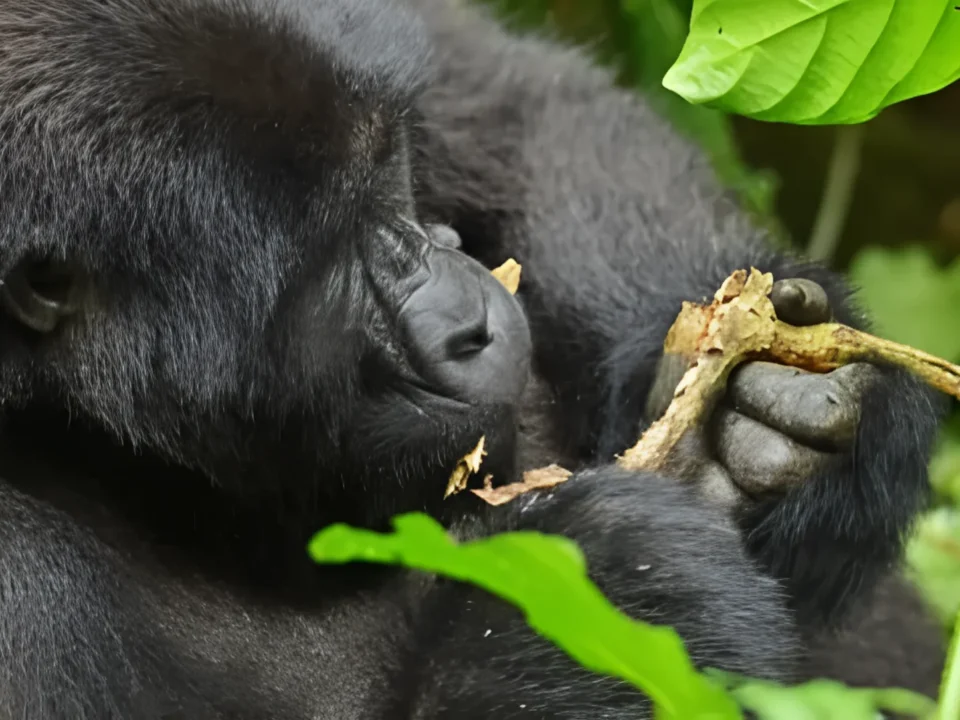
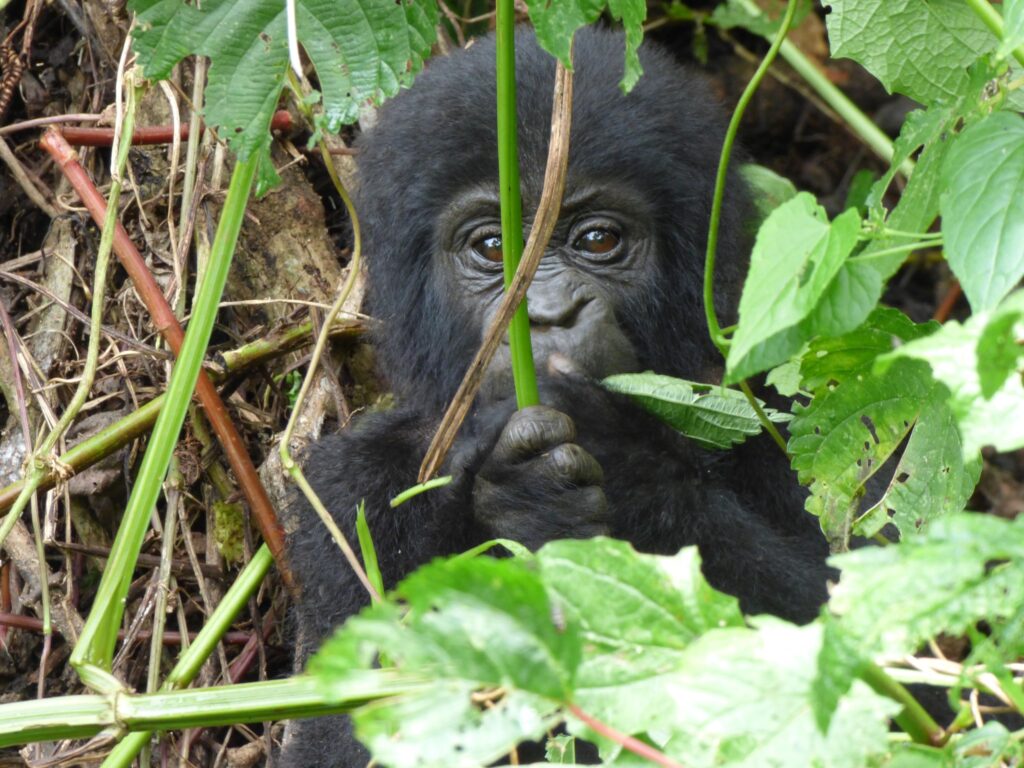
You’ll watch silverbacks calmly supervise their families, playful juveniles tumble through the undergrowth, mothers gently care for infants, and entire gorilla families interact naturally only a few feet away.
Very few wildlife experiences on Earth create such an emotional connection.
What Makes Gorilla Trekking So Special?
Mountain gorillas share approximately 98% of human DNA, making every encounter remarkably personal.
Unlike zoo visits or wildlife documentaries, these are fully wild animals living in protected national parks where tourism directly funds conservation and supports local communities.
Every gorilla permit purchased contributes to:
- Gorilla conservation
- Anti-poaching efforts
- Veterinary care
- Community development
- Forest protection
- Local employment
Your safari doesn’t just create memories; it helps protect one of the world’s most endangered species.
Gorilla Safari Planning Guide
Where Can You Go Gorilla Trekking?
Only three countries offer mountain gorilla trekking experiences.
Uganda
Uganda is widely regarded as the best value destination for gorilla trekking.
Highlights include:
- Bwindi Impenetrable National Park
- Mgahinga Gorilla National Park
- Lower permit prices
- More habituated gorilla families
- Diverse safari combinations
- Excellent birdwatching
- Opportunities to combine gorilla trekking with chimpanzee tracking and classic wildlife safaris.
Uganda is ideal for travelers looking for longer adventures, photographers, and those seeking the best overall value.
Rwanda
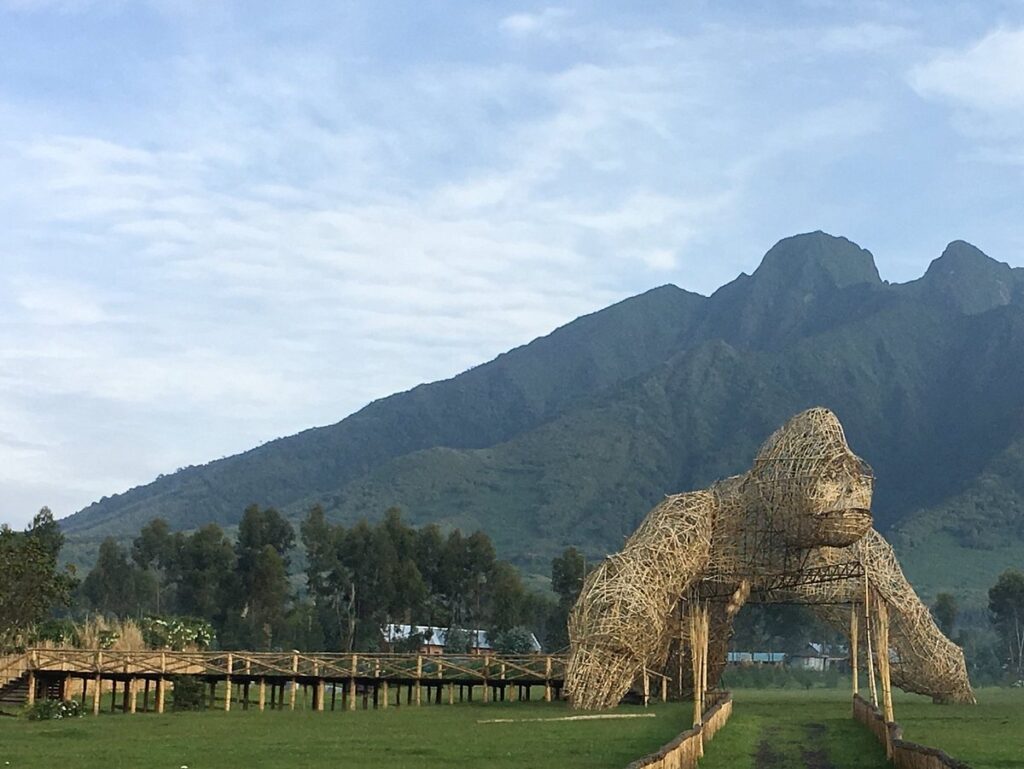
Rwanda offers a premium gorilla safari experience centered around Volcanoes National Park.
Advantages include:
- Short transfer from Kigali Airport
- Luxury safari lodges
- Well-developed tourism infrastructure
- Easier access for shorter trips
- Excellent road network
Rwanda is especially popular among luxury travelers, honeymooners, and visitors with limited vacation time.
Democratic Republic of Congo
Virunga National Park has historically offered mountain gorilla trekking at lower prices.
However, travel conditions and security can fluctuate significantly. Visitors should always check current government travel advisories before considering this destination.
Uganda vs Rwanda: Which Gorilla Safari Is Better?
This is one of the most common questions travelers ask.
The truth is that the gorillas are the same species, and the trekking experience is extraordinary in both countries. The biggest differences lie in logistics, cost, and travel style.
Choose Uganda if you want:
- Better overall value
- Longer safari itineraries
- More trekking options
- Lower permit costs
- Wildlife diversity
- Budget or mid-range safaris
Choose Rwanda if you want:
- Luxury accommodations
- Shorter travel times
- Premium safari experiences
- Easy access from Kigali
- Weekend gorilla trekking trips
- High-end photography adventures
For most travelers planning their first gorilla safari, Uganda offers the best balance between cost, wildlife diversity, and unforgettable experiences.
Before You Book: Know This
A gorilla safari is unlike booking a typical vacation.
Permits are strictly limited, many dates sell out months in advance, and choosing the wrong season can significantly affect your experience.
In the next section, you’ll learn exactly how gorilla permits work, how much they cost, when to reserve them, and how to avoid the costly mistakes many first-time visitors make.
Gorilla Trekking Permits Explained
A gorilla trekking permit is your official authorization to visit one habituated mountain gorilla family inside a protected national park. Because mountain gorillas remain endangered, governments strictly limit the number of visitors allowed each day to reduce stress on the animals and protect their habitat.
Each permit allows:
- One guided gorilla trek
- Up to one hour with a habituated gorilla family
- Park ranger and tracker services
- Conservation contributions that directly support gorilla protection
Permits are non-transferable and tied to your passport, so double-check that your travel documents match your booking details.
Gorilla Permit Costs (2026)
Permit prices vary depending on the destination.
Uganda
Uganda remains the best-value destination for most travelers, offering world-class gorilla trekking experiences at a lower cost than Rwanda.
Rwanda
Rwanda positions itself as a premium destination, with higher permit prices balanced by luxury accommodations, shorter travel times from Kigali, and excellent tourism infrastructure.
Democratic Republic of Congo
Historically, Congo has offered the lowest permit prices, but availability depends on park operations and current security conditions.
Tip: Permit prices occasionally change. Always verify current rates with your tour operator or the relevant wildlife authority before making final travel plans.
When Should You Book Your Gorilla Safari?
One of the biggest mistakes travelers make is waiting too long.
Permits are limited every day, and peak travel seasons often sell out six to twelve months in advance. If you’re planning to travel during the dry seasons, booking early dramatically increases your chances of securing your preferred trekking date and accommodation.
Recommended Booking Timeline
12 Months Before Travel
- Luxury safari lodges
- Honeymoon itineraries
- Family travel
- Peak holiday periods
6–9 Months Before Travel
- Most Uganda and Rwanda safaris
- Multi-country itineraries
- Wildlife photography trips
3–6 Months Before Travel
- Shoulder season travel
- Mid-range safari packages
Less Than 3 Months
- Possible, but flexibility is essential. You may need to adjust your dates, destination, or accommodation choices.
How Much Does a Gorilla Safari Cost?
The total cost depends on several factors:
- Gorilla permit
- Accommodation
- Transportation
- Guide services
- Meals
- Park fees
- Flights
- Optional activities
Budget Gorilla Safari
Budget travelers can reduce costs by staying in guesthouses, joining small group tours, and trekking in Uganda.
Ideal for:
- Backpackers
- Solo travelers
- Students
- Adventure travelers
Mid-Range Gorilla Safari
The most popular choice offers comfortable lodges, professional guides, private transfers, and well-planned itineraries without luxury pricing.
Ideal for:
- Couples
- Families
- First-time safari visitors
Luxury Gorilla Safari
Luxury gorilla safaris include premium lodges, private vehicles, personalized guides, gourmet dining, spa facilities, helicopter transfers (in some itineraries), and exclusive experiences.
Ideal for:
- Honeymooners
- Wildlife photographers
- Luxury travelers
- Bucket-list vacations
Best Time to Go Gorilla Trekking
One of the most frequently asked questions is:
When is the best time for a gorilla safari?
The good news is that mountain gorillas can be visited throughout the year.
However, weather conditions significantly influence hiking difficulty and trail conditions.
Dry Season (Generally the Best Choice)
The dry seasons typically offer:
- Easier hiking trails
- Better visibility
- Lower rainfall
- Excellent photography conditions
- More comfortable trekking
Because of these advantages, permits during dry months are usually the first to sell out.
Wet Season
The rainy seasons have their own advantages.
Many experienced travelers actually prefer this period because:
- Forests are exceptionally lush
- Fewer visitors are on the trails
- Some lodges offer seasonal discounts
- Photographers enjoy vibrant green landscapes
- Birdwatching is outstanding
The trade-off is that hiking trails may be muddy and more physically demanding.
How Difficult Is Gorilla Trekking?
Many people worry they are not fit enough.
In reality, gorilla trekking is suitable for most reasonably healthy travelers, but the experience can vary significantly depending on where the gorilla family is located that day.
Some hikes last less than an hour.
Others may take several hours through steep forest terrain.
Factors affecting difficulty include:
- Elevation
- Weather
- Trail conditions
- Gorilla movements
- Individual fitness level
Your assigned gorilla family often determines how challenging the trek will be.
Can Older Travelers Go Gorilla Trekking?
Absolutely.
Every year, travelers in their 60s, 70s, and even 80s successfully complete gorilla treks.
If mobility is a concern, many parks offer additional support services, including local porter assistance and, where available, sedan-chair transport carried by trained teams.
Hiring a porter is highly recommended regardless of fitness level. Besides helping with your backpack, porters provide valuable assistance on steep or slippery trails while supporting local livelihoods.
Essential Fitness Tips Before Your Safari
Preparing a few weeks before departure can make your trek significantly more enjoyable.
Focus on:
- Walking several times each week
- Climbing stairs
- Light hiking
- Improving cardiovascular endurance
- Stretching your legs and hips
- Breaking in your hiking boots before travel
Even modest preparation helps you enjoy the experience rather than worrying about the climb.
Common Gorilla Safari Planning Mistakes
Avoid these frequent errors:
- Booking flights before securing your gorilla permit
- Underestimating hiking difficulty
- Wearing brand-new hiking boots
- Forgetting waterproof clothing
- Packing too much unnecessary gear
- Skipping travel insurance
- Waiting until the last minute to reserve permits
- Ignoring visa and vaccination requirements
Planning ahead helps ensure your gorilla safari is memorable for all the right reasons.
What to Pack for a Gorilla Safari
Packing wisely can make the difference between an enjoyable trek and an uncomfortable one. Mountain gorilla habitats are located in tropical montane rainforests where weather conditions can change quickly. You may begin your hike under clear skies and finish in heavy rain.
Preparing for all conditions ensures you’re comfortable and focused on the incredible wildlife experience ahead.
Essential Clothing
Wear lightweight, breathable clothing that protects you from insects, thorny vegetation, and changing temperatures.
Recommended clothing includes:
- Long-sleeved moisture-wicking shirts
- Lightweight hiking trousers
- Waterproof rain jacket
- Fleece or light insulating layer
- Wide-brimmed hat or cap
- Moisture-wicking socks
- Sturdy waterproof hiking boots
- Gardening or trekking gloves for gripping vegetation
Neutral colors such as green, brown, or khaki blend naturally into the environment and are preferred over bright colors.
Gorilla Safari Planning Guide
Gorilla Safari Packing Checklist
Before leaving for Africa, make sure you have:
Travel Documents
- Passport with at least six months validity
- Gorilla trekking permit confirmation
- Travel insurance documents
- Flight confirmations
- Visa (if required)
- Emergency contact information
Trekking Essentials
- Daypack
- Reusable water bottle or hydration pack
- High-energy snacks
- Walking stick (often provided at the park)
- Sunglasses
- Sunscreen
- Lip balm
- Insect repellent
- Small first-aid kit
- Personal medications
Camera Equipment
- DSLR or mirrorless camera
- Extra batteries
- Spare memory cards
- Rain cover for camera
- Lens cleaning cloth
- Dry bag for electronics
A lightweight backpack makes hiking much more comfortable than carrying bulky luggage.
Gorilla Trekking Rules You Must Follow
Mountain gorillas are highly susceptible to human diseases. Strict rules help protect both visitors and the gorillas.
Every visitor must attend a briefing before entering the forest.
Key rules include:
- Keep at least 7 meters (about 23 feet) away from gorillas whenever possible.
- Spend no more than one hour with the gorilla family.
- Do not touch the gorillas.
- Never feed wildlife.
- Avoid loud voices or sudden movements.
- Follow your ranger’s instructions at all times.
- If you need to cough or sneeze, cover your mouth and turn away from the gorillas.
- Stay with your assigned group throughout the trek.
If you are feeling ill with symptoms such as a fever, cough, or flu, you should not participate in the trek. This protects the gorillas from diseases that humans can transmit.
Photography Tips for Gorilla Trekking
Photographing mountain gorillas is one of the highlights of any safari, but the rainforest presents unique challenges.
Camera Settings
Because the forest canopy creates low-light conditions:
- Use a fast lens if possible.
- Increase your ISO when needed.
- Shoot in burst mode for moving subjects.
- Use continuous autofocus.
- Avoid using flash, as it is prohibited during gorilla encounters.
Focus on capturing natural behaviors rather than just portraits. Images of family interactions, grooming, playful juveniles, and expressive silverbacks often become the most memorable photographs.
Remember to spend time simply observing. Some of the most meaningful moments are experienced without looking through a camera viewfinder.
Health and Safety Tips
A little preparation goes a long way toward ensuring a safe and enjoyable safari.
Before You Travel
- Consult your healthcare provider regarding recommended vaccinations.
- Carry sufficient prescription medications.
- Purchase comprehensive travel insurance that covers medical emergencies and evacuation.
- Stay hydrated during your trip.
- Bring blister prevention supplies if you’re prone to foot discomfort.
Many gorilla trekking destinations are located at elevations above 2,000 meters (6,500 feet), so pace yourself during hikes and listen to your guide.
Choosing the Right Gorilla Safari Tour
Not all gorilla safari operators offer the same level of service. Selecting a reputable company can significantly enhance your experience.
When comparing tour operators, consider:
Experience
Choose companies with a proven track record of organizing gorilla trekking tours and knowledgeable local guides.
Transparent Pricing
Look for clear inclusions and exclusions. Confirm whether permit fees, accommodation, meals, transportation, and park fees are included.
Reviews
Read recent independent reviews to assess customer satisfaction, guide quality, vehicle standards, and accommodation.
Conservation Commitment
Responsible operators actively support wildlife conservation and local communities through sustainable tourism practices.
Flexibility
A good operator will help you customize your itinerary based on your interests, budget, and travel schedule.
Sample Gorilla Safari Itineraries
3-Day Gorilla Trekking Safari
Perfect for travelers with limited time.
Highlights include:
- Arrival and transfer to the park
- Gorilla trekking experience
- Return transfer and departure
5-Day Gorilla Safari
Ideal for first-time visitors.
Includes:
- Gorilla trekking
- Community cultural experiences
- Scenic forest walks
- Optional lake excursions
7-Day Uganda Wildlife and Gorilla Safari
A balanced itinerary combining primates and classic safari experiences.
Possible highlights:
- Gorilla trekking in Bwindi
- Chimpanzee tracking
- Queen Elizabeth National Park
- Boat safari on the Kazinga Channel
- Tree-climbing lions (seasonal sightings)
- Game drives featuring elephants, buffalo, antelope, and hippos
10-Day Uganda Adventure
For travelers seeking a comprehensive East African experience.
Possible activities include:
- Gorilla trekking
- Chimpanzee tracking
- Murchison Falls National Park
- Boat cruise on the Nile
- Rhino tracking at Ziwa Rhino Sanctuary
- Cultural visits
- Big Five wildlife viewing
- Scenic drives through Uganda’s diverse landscapes
Responsible Gorilla Tourism
Every gorilla safari contributes to protecting one of Earth’s rarest species.
Responsible tourism helps fund:
- Habitat conservation
- Wildlife research
- Anti-poaching patrols
- Veterinary interventions
- Ranger training
- Community education
- Sustainable livelihoods for local residents
By choosing ethical operators and respecting park rules, you become part of the long-term conservation story that has helped mountain gorilla populations recover over recent decades.
A gorilla safari is more than a holiday; it’s an investment in the future of one of the world’s most extraordinary animals.
Frequently Asked Questions About Gorilla Safaris
Is Gorilla Trekking Worth It?
Without question.
Many travelers describe gorilla trekking as one of the most life-changing wildlife experiences in the world. Seeing a wild mountain gorilla family in its natural habitat creates an emotional connection that no zoo or documentary can replicate.
Beyond the unforgettable encounter, every permit directly supports conservation, anti-poaching efforts, veterinary care, and local communities.
How Close Can You Get to the Gorillas?
Park regulations require visitors to maintain a distance of approximately 7 meters (23 feet).
However, gorillas are wild animals and occasionally choose to move closer to visitors. When this happens, remain calm, avoid sudden movements, and follow your ranger’s instructions.
Are Mountain Gorillas Dangerous?
Mountain gorillas are generally calm and peaceful when treated with respect.
Your experienced guides understand gorilla behavior and will ensure your group follows safe procedures throughout the trek.
Aggressive encounters are extremely rare when visitors follow park regulations.
How Long Does Gorilla Trekking Take?
Every trek is different.
Some gorilla families are located within an hour of the trailhead, while others may require four to six hours of hiking through mountainous rainforest.
The reward is the same, one unforgettable hour observing a habituated gorilla family.
What Is the Minimum Age for Gorilla Trekking?
The minimum age is generally 15 years, although regulations should always be confirmed with your tour operator or the relevant wildlife authority before booking.
Can Beginners Do Gorilla Trekking?
Yes.
Most reasonably healthy travelers can successfully complete a gorilla trek.
If you’re concerned about fitness, choose a shorter itinerary, hire a porter, and discuss your preferences with your safari operator so they can request a more accessible gorilla family where possible.
Which Country Is Better: Uganda or Rwanda?
Both destinations offer exceptional gorilla trekking experiences.
Choose Uganda if you want:
- Better value
- More safari options
- Longer itineraries
- Wildlife diversity
- Budget-friendly travel
Choose Rwanda if you want:
- Luxury accommodations
- Short airport transfers
- Premium experiences
- Weekend gorilla trips
- High-end lodges
There is no wrong choice, your budget, travel style, and available time will determine which destination suits you best.
Can I Combine Gorilla Trekking With Other Safaris?
Absolutely.
Many visitors combine gorilla trekking with:
- Big Five safaris
- Chimpanzee tracking
- Golden monkey trekking
- Birdwatching tours
- Cultural village visits
- Boat safaris
- Walking safaris
- Hot air balloon safaris (depending on destination)
Combining experiences allows you to discover the incredible diversity of East Africa in a single journey.
Ultimate Gorilla Safari Planning Checklist
Use this checklist to make sure nothing is overlooked before your adventure.
Before Booking
- Decide between Uganda and Rwanda
- Choose your travel dates
- Reserve your gorilla permit
- Book flights
- Reserve accommodation
- Purchase travel insurance
One Month Before Departure
- Confirm passport validity
- Arrange visas
- Visit your healthcare provider
- Purchase hiking gear
- Break in hiking boots
- Prepare camera equipment
One Week Before Travel
- Print important travel documents
- Pack medications
- Prepare local currency or payment cards
- Download offline maps
- Confirm airport transfers
- Check weather forecasts
Day Before Trekking
- Charge camera batteries
- Fill your water bottles
- Pack snacks
- Lay out trekking clothing
- Get a good night’s sleep
Expert Tips for an Unforgettable Gorilla Safari
Experienced guides recommend these simple practices to maximize your experience:
- Focus on observing gorilla behavior rather than taking hundreds of photos.
- Hire a local porter, they enhance your trek and support nearby communities.
- Wear layers to adapt to changing mountain weather.
- Keep your camera accessible, but don’t spend the entire hour behind the lens.
- Listen to your guide’s stories, they add valuable context to every encounter.
- Arrive with realistic expectations. Wildlife is unpredictable, and that makes every sighting unique.
Most importantly, take a moment to simply appreciate where you are. Very few people will ever stand face-to-face with wild mountain gorillas.
Why Responsible Gorilla Tourism Matters
Mountain gorillas were once on the brink of extinction.
Thanks to conservation efforts, community partnerships, responsible tourism, and carefully managed trekking programs, their numbers have steadily increased over the past decades.
Every visitor contributes to this success by:
- Purchasing official permits
- Supporting local employment
- Funding wildlife protection
- Encouraging sustainable tourism
- Helping preserve ancient rainforest ecosystems
Choosing ethical travel isn’t just good for wildlife, it’s essential for the future of gorilla conservation.

Gorilla Safari Planning Guide
Final Thoughts
A gorilla safari is far more than a wildlife excursion. It’s an immersive journey into some of Africa’s most pristine forests, an opportunity to witness one of nature’s greatest conservation success stories, and a chance to create memories that will stay with you for a lifetime.
Whether you choose the mist-covered forests of Uganda or the volcanic slopes of Rwanda, careful planning will ensure your adventure is smooth, rewarding, and unforgettable.
Book your permits early, prepare well, respect the wildlife, and embrace every moment of the experience. The mountain gorillas are waiting, and few adventures on Earth compare to meeting them in the wild.
Ready to Plan Your Gorilla Safari?
If you’re ready to turn your dream into reality, work with a trusted local safari specialist who can help you:
- Secure gorilla trekking permits
- Design a personalized itinerary
- Recommend the best lodges for your budget
- Arrange airport transfers and domestic transport
- Combine gorilla trekking with classic African safaris
- Provide expert local guidance from arrival to departure
With the right planning and expert support, your gorilla safari will become one of the most extraordinary journeys of your life.