18 Essential Rules Every Visitor Must Follow
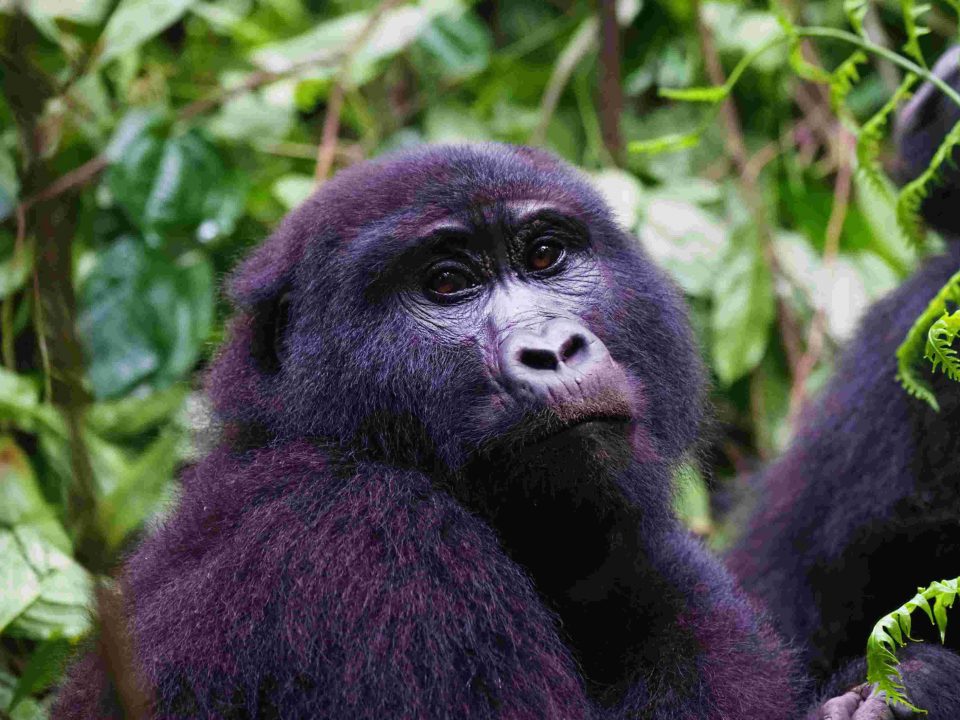
Mountain gorilla trekking is one of Africa’s most unforgettable wildlife experiences. Watching a family of endangered mountain gorillas in their natural habitat is a privilege that comes with great responsibility.
Because mountain gorillas share more than 98% of their DNA with humans, they are highly vulnerable to human diseases and disturbance. To protect these endangered primates and ensure a safe experience for visitors, wildlife authorities in Uganda, Rwanda, and the Democratic Republic of Congo enforce strict gorilla trekking rules.
Whether you’re planning to trek in Bwindi Impenetrable National Park, Mgahinga Gorilla National Park, Volcanoes National Park, or Virunga National Park, understanding these rules will help you prepare for your adventure while supporting gorilla conservation.
Why Are Gorilla Trekking Rules So Important?
Mountain gorillas remain one of the world’s rarest great apes. Although conservation efforts have increased their population to over 1,000 individuals, they remain endangered.
The rules are designed to:
- Protect gorillas from human diseases
- Minimize stress and disturbance
- Preserve their natural behavior
- Ensure visitor safety
- Support sustainable tourism
- Help conservation efforts for future generations
Following these rules is a condition of receiving a gorilla trekking permit.
Gorilla Trekking Rules
18 Gorilla Trekking Rules Every Visitor Should Know
-
Keep a Distance of at Least 7 Metres (23 Feet)
The golden rule of gorilla trekking is maintaining a minimum distance of 7 metres (23 feet) from the gorillas.
This reduces the risk of disease transmission and allows the gorillas to behave naturally.
Although curious gorillas occasionally approach visitors, remain calm and allow your guide to manage the situation.
-
Do Not Visit If You Are Sick
If you have:
- Flu
- Cold
- Fever
- COVID-like symptoms
- Cough
- Stomach illness
You should not participate in the trek.
Even a common cold can be fatal to mountain gorillas because they have very limited immunity to human illnesses.
-
Never Touch the Gorillas
No matter how close they come, never attempt to touch a gorilla.
These are wild animals, and physical contact increases the risk of disease transmission and may provoke defensive behavior.
-
Speak Quietly During the Trek
Avoid shouting or making loud noises.
Soft voices help keep the gorillas relaxed and reduce stress within the family group.
-
Do Not Feed the Gorillas
Human food can:
- Spread disease
- Change natural feeding habits
- Encourage dependence on humans
- Harm gorilla health
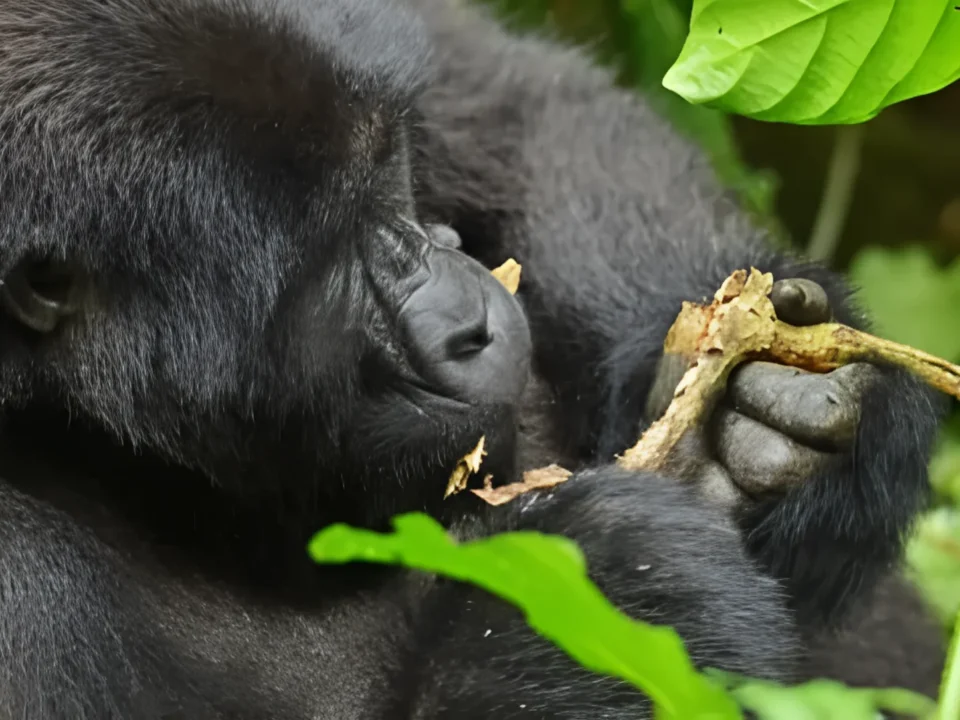
Mountain gorillas naturally feed on leaves, shoots, fruits, bark, roots, and wild vegetation.
-
Follow Your Ranger’s Instructions
Your ranger guide is highly trained in gorilla behavior.
Always follow instructions immediately, especially if a silverback displays protective behavior.
Their guidance is essential for your safety.
-
Spend Only One Hour With the Gorillas
Once you reach the gorilla family, visitors are allowed a maximum of one hour.
This minimizes stress while giving everyone an unforgettable wildlife encounter.
Researchers with special permits may spend more time under strict regulations.
-
Avoid Flash Photography
Flash photography can startle gorillas.
Set your camera to:
- Flash Off
- Silent Mode, if available
- Continuous Autofocus
Natural light produces the best wildlife photographs.
-
Do Not Litter
Everything you carry into the forest should leave with you.
Carry back:
- Plastic bottles
- Food wrappers
- Tissues
- Masks
- Disposable items
National parks operate under strict conservation policies.
-
Cover Your Mouth When Sneezing or Coughing
If you must cough or sneeze:
- Turn away from the gorillas
- Cover your mouth with your elbow or a tissue
- Step back if instructed
This simple action helps protect the gorillas from airborne diseases.
-
Do Not Eat Near the Gorillas
Food should never be consumed while observing gorillas.
Lunch and snacks are normally eaten before or after the trek in designated areas.
-
Children Must Meet the Minimum Age Requirement
Most parks require trekkers to be 15 years or older.
This age restriction ensures visitors can:
- Follow instructions
- Complete difficult hikes
- Respond appropriately during wildlife encounters
-
Stay Together as a Group
Never wander away from your trekking group.
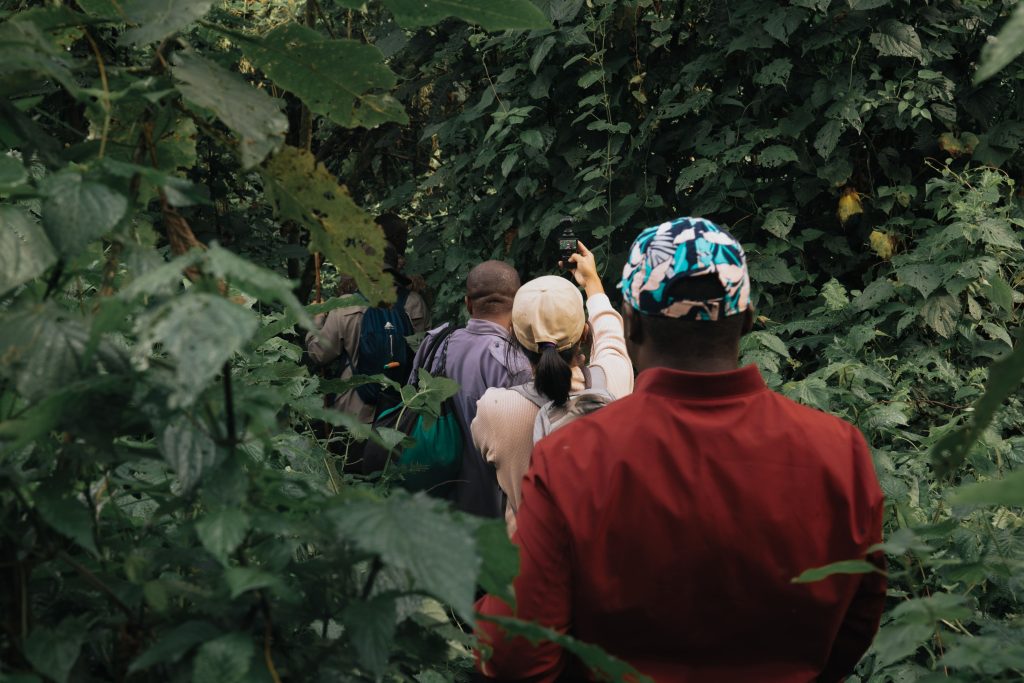
The forests are dense and home to other wildlife, making it important to remain with your ranger at all times.
-
Leave the Forest Exactly as You Found It
Avoid:
- Picking flowers
- Breaking branches
- Damaging vegetation
- Disturbing wildlife
Responsible tourism helps preserve fragile ecosystems.
-
Wear Appropriate Clothing
Recommended clothing includes:
- Long trousers
- Long-sleeved shirt
- Waterproof hiking boots
- Gardening gloves
- Rain jacket
- Gaiters
- Wide-brim hat
The terrain is often muddy, steep, and covered in thick vegetation.
-
Do Not Smoke Near the Gorillas
Smoking is prohibited because it:
- Pollutes the forest
- Increases fire risk
- Can spread respiratory illnesses
-
Respect Wildlife Beyond the Gorillas
Your trek may include sightings of:
- Forest elephants
- Monkeys
- Duikers
- Birds
- Butterflies
Observe all wildlife respectfully without attempting to attract or disturb them.
-
Support Conservation Through Responsible Tourism
Buying official permits and using licensed tour operators directly supports:
- Gorilla conservation
- Anti-poaching patrols
- Community development
- Park management
- Scientific research
Responsible tourism has played a major role in the recovery of mountain gorilla populations.
Gorilla Trekking Rules
What Happens If a Gorilla Charges?
A charging gorilla is usually displaying dominance rather than aggression.
If this happens:
- Stay calm.
- Do not run.
- Avoid direct eye contact.
- Crouch slightly if instructed.
- Let your ranger handle the situation.
Silverbacks rarely attack unless they feel threatened.
Gorilla Trekking Rules in Uganda, Rwanda, and Congo
Although each country manages its parks independently, the main trekking rules are almost identical.
| Country | Main Gorilla Parks |
| Uganda | Bwindi Impenetrable National Park, Mgahinga Gorilla National Park |
| Rwanda | Volcanoes National Park |
| DR Congo | Virunga National Park, Kahuzi-Biéga National Park (eastern lowland gorillas) |
All visitors should attend the mandatory ranger briefing before beginning the trek.
Tips for a Safe Gorilla Trekking Experience
To enjoy your trek:
- Book permits well in advance.
- Hire a reputable tour operator.
- Wear waterproof hiking boots.
- Carry sufficient drinking water.
- Pack rain gear.
- Bring insect repellent.
- Follow your ranger’s instructions at all times.
Preparation makes the experience more enjoyable and helps protect the gorillas.
Frequently Asked Questions
Why must I stay 7 metres away from gorillas?
Maintaining a 7-metre distance reduces the risk of transmitting diseases from humans to mountain gorillas while minimizing disturbance.
Can I touch a baby gorilla if it approaches me?
No. Visitors should never touch gorillas, regardless of their age or behavior.
Why can visitors spend only one hour with gorillas?
Limiting viewing time reduces stress on the gorilla family and helps preserve their natural behavior.
Can children go gorilla trekking?
Most parks require visitors to be at least 15 years old.
What happens if I become sick before my trek?
You should inform your tour operator or park authorities immediately. Protecting gorillas from human illnesses is a top priority.
Final Thoughts
Following the official gorilla trekking rules is about more than complying with park regulations; it is about protecting one of the world’s most remarkable and endangered species. By respecting your guides, keeping a safe distance, and practicing responsible tourism, you contribute directly to the long-term survival of mountain gorillas and the forests they call home.
Whether you’re trekking in Uganda, Rwanda, or the Democratic Republic of Congo, these simple guidelines will help ensure a safe, memorable, and conservation-focused adventure.