The Complete Uganda Safari Packing Guide
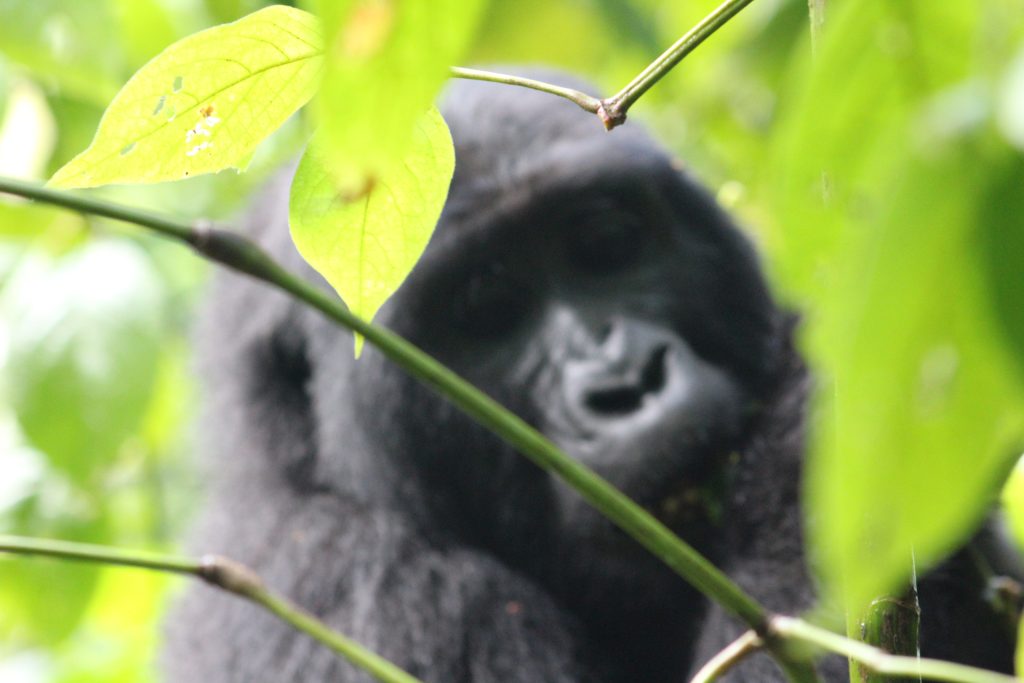
Packing for a safari in Uganda is uniquely challenging because it requires preparing for two entirely different biomes. In a single week, you might find yourself tracking mountain gorillas through chilly, humid rainforests and driving across hot, dusty, open-air savannahs.
To maximize comfort and adhere to local luggage regulations, you must approach your packing list with tactical precision. This prioritized checklist covers everything needed to experience the Pearl of Africa efficiently.

What to pack for a safari in Uganda?
-
Clothing Essentials: Mastering the Layering System
Uganda’s weather varies dramatically based on altitude and time of day. Early morning game drives in open vehicles or evenings spent in highland areas like Bwindi Impenetrable National Park can feel surprisingly cold, while afternoons on the savannah are intensely hot.
The Ground Rules of Safari Attire
- The Neutral Palette: Pack clothing in khaki, tan, beige, or olive green. These colors blend into the environment and keep you hidden from wildlife.
- Colors to Avoid: Avoid bright whites, which stand out and scare off animals. Do not wear dark blue or solid black; these colors are scientific magnets for aggressive, biting tsetse flies.
- Legal Restrictions: Camouflage clothing and military patterns are strictly restricted or completely illegal for civilians in Uganda. Leave all camo gear at home.
The Complete Uganda Safari Packing Guide: Savannahs to Rainforests
Packing for a safari in Uganda is uniquely challenging because it requires preparing for two entirely different biomes. In a single week, you might find yourself tracking mountain gorillas through chilly, humid rainforests and driving across hot, dusty, open-air savannahs.
To maximize comfort and adhere to local luggage regulations, you must approach your packing list with tactical precision. This prioritized checklist covers everything needed to experience the Pearl of Africa efficiently.
-
Clothing Essentials: Mastering the Layering System
Uganda’s weather varies dramatically based on altitude and time of day. Early morning game drives in open vehicles or evenings spent in highland areas like Bwindi Impenetrable National Park can feel surprisingly cold, while afternoons on the savannah are intensely hot.
The Ground Rules of Safari Attire
- The Neutral Palette: Pack clothing in khaki, tan, beige, or olive green. These colors blend into the environment and keep you hidden from wildlife.
- Colors to Avoid: Avoid bright whites, which stand out and scare off animals. Do not wear dark blue or solid black; these colors are scientific magnets for aggressive, biting tsetse flies.
- Legal Restrictions: Camouflage clothing and military patterns are strictly restricted or completely illegal for civilians in Uganda. Leave all camo gear at home.
Uganda Safari Layering Guide
| Layer Type | Recommended Clothing Items | Functional Purpose |
| Base Layer | Moisture-wicking t-shirts, tank tops, and lightweight breathable underwear. | Manages sweat and keeps you cool during hot afternoon drives. |
| Protection Layer | Lightweight, long-sleeved shirts and long trousers (khaki, tan, or olive green). | Shields skin from intense equatorial UV rays, thorns, and biting insects. |
| Climate Layer | A lightweight fleece or a packable down jacket. | Essential for cold early morning game drives and chilly nights in highland regions. |
| Outer Shield | A high-quality, packable, waterproof rain jacket or shell. | Protects against sudden equatorial downpours, especially in the rainforests. |
Specialized Trekking Gear (Gorilla & Chimpanzee Tracking)
Forest tracking requires armor against thorns, stinging nettles, and safari ants:
- Heavy-Duty Gardening Gloves: Leather or thick rubber gloves are essential for grabbing onto thick vines and branches on steep, unpaved, muddy ridges.
- Long Wool Hiking Socks: You will tuck your trousers directly into your socks to prevent safari ants from crawling up your legs.
- Gaiters: Highly recommended to prevent mud, water, and debris from entering your footwear.
-
Footwear: Form Over Fashion
Footwear on a safari must prioritize traction and protection over aesthetic appeal.
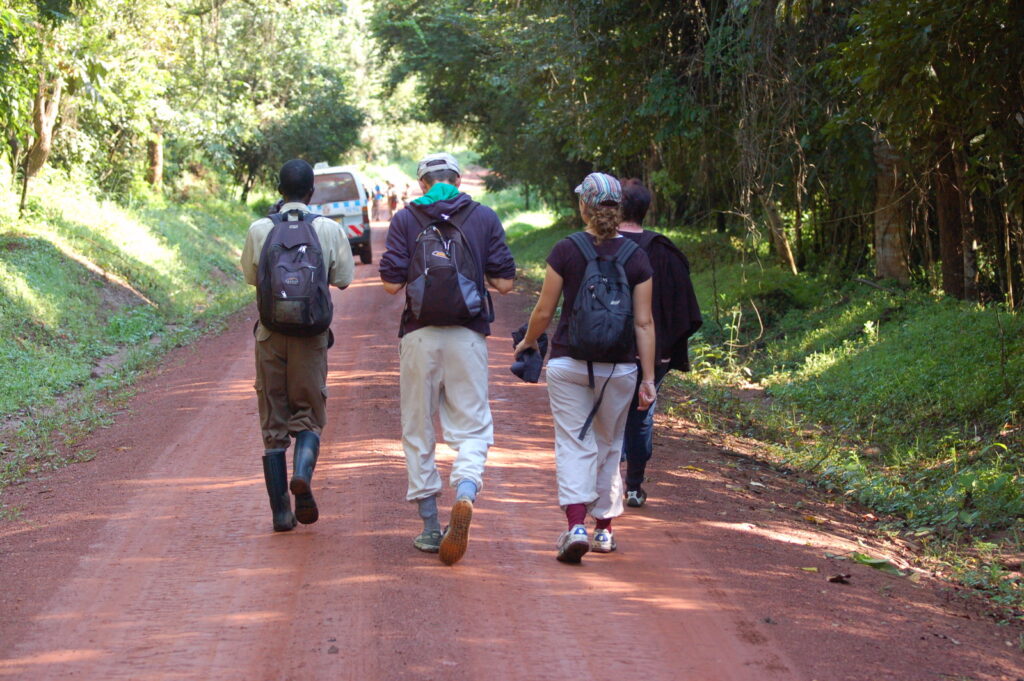
- Sturdy Hiking Boots: Absolutely non-negotiable if your package includes gorilla or chimpanzee tracking. Ensure they have deep tread lugs, strong ankle support, and are fully broken in and waterproofed well before your flight. The trails in Bwindi and Kibale are steep, slick, and completely uneven.
- Comfortable Closed Shoes: Lightweight sneakers or walking shoes for wearing around the safari lodge or during community walking tours.
- Sandals / Flip-flops: Breathable footwear for relaxing at your camp after a long day of trekking.
-
Gear & Electronics: Enhancing the Safari Experience
The remoteness of Uganda’s premier game reserves requires self-sufficiency when it comes to power and equipment.
- Waterproof Daypack: A lightweight, waterproof backpack is vital for carrying your rain gear, camera equipment, packed lunch, and water bottle during forest excursions.
- High-Quality Binoculars: Do not rely on your guide to share theirs. A dedicated pair of 8*42 or 10*42 binoculars is essential for spotting birds and distant predators in the forest canopy or open plains.
- Camera Equipment: Pack a high-performance zoom lens (minimum 300mm), multiple high-speed memory cards, and at least two spare camera batteries.
- Power Bank & UK Adapters: Remote luxury eco-lodges frequently run on independent solar grids that cut power to room outlets overnight. Carry a high-capacity power bank to charge devices. Uganda utilizes UK-style Type G (square three-pin) plugs.
- Headlamp or Flashlight: Crucial for navigating unlit canvas pathways between your tent and the main lodge dining areas during early morning or night departures.
-
Health, Hygiene & Vital Medical Prep
A proactive medical kit ensures minor health issues do not disrupt your itinerary in remote areas.
- Insect Repellent: Bring premium formulas featuring high concentrations of DEET to ward off mosquitoes and flies.
- Sun Shielding: SPF 30+ sunscreen, protective lip balm, and a wide-brimmed sun hat to block intense equatorial UV rays.
- The Travel Medical Kit: Pack a supply of prescribed antimalarial medications, blister pads (vital for mountain trekking), anti-diarrhea tablets, and basic plasters (Band-Aids).
- Bush Hygiene: High-quality wet wipes and hand sanitizer are lifesavers for refreshing your face on dusty roads or handling bush toilets.
-
Official Documentation & Financial Logistics
Border crossings and entry gates require strict paperwork alignment.
Health Documents and Government Visas
You must travel with your physical, yellow Yellow Fever vaccination card. Border officials routinely audit this document upon arrival at Entebbe International Airport. Additionally, ensure you have applied for and printed your official Ugandan Electronic Visa (e-Visa) confirmation letter beforehand, as manual visas are no longer issued at the airport gates.
Cash and Currency Etiquette
Credit card processing facilities are virtually non-existent outside of Kampala and major luxury lodges. You will need cash for tipping trackers, guides, porters, and buying local crafts.
- The Golden Rule of Cash: Carry crisp, uncreased US Dollar bills printed in 2013 or newer. Local exchange bureaus, banks, and tour operators across East Africa routinely reject older bills or notes featuring tears, stamps, or heavy folds due to local counterfeiting protections.
The One-Bag Safari Strategy
Because regional domestic flights between Entebbe, Murchison Falls, and Bwindi use small light aircraft (like Cessna Caravans), rigid hard-shell luggage is strictly prohibited.
Aviation Luggage Architecture
| Luggage Type | Status | Regulatory Constraints & Operational Reasoning |
| Rigid Hard-Shell Suitcases | Strictly Prohibited | Small bush planes lack square cargo holds; rigid frames cannot be manipulated to fit inside tight aircraft storage pods. |
| Soft-Sided Duffel Bags | Mandatory | Canvas or soft-sided bags without wheels or frames can be easily compressed and stacked by ground crews into the small nose and underbelly compartments. |
| Weight Limitations | 15 to 20 kg (33 to 44 lbs) | Heavily and consistently enforced at regional airstrips to maintain aircraft center of gravity and safety margins. |
You must pack your belongings into a soft-sided duffel bag with no wheels or rigid frames so handlers can fit it into the small underbelly cargo pods. Weight limits between 15 to 20 kg (33 to 44 lbs) are heavily enforced. Use compression packing cubes to compress your neutral clothing, roll your garments to save space, and wear your heaviest hiking boots and fleece jacket directly onto the aircraft to save vital cargo weight.
What to pack for a safari in Uganda?
Customize Your Tactical Packing List
Every journey through the Pearl of Africa can be tailored around your specific travel choices. If you want custom advice on specialized gear or a targeted weight breakdown, reply with:
- Your specific safari activities (e.g., forest gorilla trekking, Nile River boat cruises, white-water rafting in Jinja)
- The exact months you plan to travel (to map out wet vs. dry seasonal gear)
Lock In Your Ultimate Uganda Adventure
Now that you know exactly how to pack for the wild terrain, it is time to secure your entry into the world’s premier primate sanctuaries. Because daily trekking permits are highly limited to protect endangered species, early planning is absolutely vital.
Plan Your Safari with Local Experts
Ready to map out an unforgettable journey without the logistical stress? Get in touch with the local professionals at Gorilla Trekking Safaris. They coordinate every step of your expedition, securing your government trekking permits, providing rugged 4×4 safari vehicles built for unpaved mountain roads, and pairing you with elite guides who ensure you are safe, comfortable, and perfectly prepared for the bush.