Origin, Evolution, and Modern Wild Journeys
The word “safari” conjures up vivid mental imagery: dust-kicking 4×4 vehicles tracking prides of lions across golden savannahs, sun-baked landscapes lined with acacia trees, and nights spent under canvas, listening to the distant call of leopards.
While the term has become a global brand for luxury adventure, its true definition runs much deeper. Understanding what a safari is means exploring its linguistic roots, its historical evolution, and the diverse ways travelers experience the wilderness today.
-
 The Linguistic Root: What Does Safari Actually Mean?
At its core, the word safari simply means a journey.
It entered the English language in the late 1850s through the journals of European explorers like Richard Francis Burton, who adopted it from the Swahili word safari. Swahili speakers on the East African coast had seamlessly adapted it from the Arabic noun safar (سَفَر), which translates directly to travel, touring, or a trip.
[ Arabic: Safar (سَفَر) ] ──> [ Swahili: Safari ] ──> [ English: Safari (1850s) ]
(To Travel) (A Journey) (Wildlife Expedition)
In its native East African context, the word carries no inherent connection to animals, camo gear, or binoculars. If a Swahili speaker takes a bus ride from Kampala to Nairobi, or a ferry from Dar es Salaam to Zanzibar, they are going on a safari.
However, over the last century, Western global travel culture reframed the word. Today, international dictionaries define a safari specifically as an overland expedition to observe, photograph, or track wild animals in their natural habitats, most notably within East and Southern Africa.
-
The Evolution of the Experience
The concept of the safari has undergone a massive, necessary ethical transformation over the last century.
- The Early Colonial Era: In the 19th and early 20th centuries, safaris were synonymous with big-game hunting expeditions. Prominent figures, aristocrats, and international political leaders traveled to Africa on massive, heavily staffed expeditions to collect trophies.
- The Modern Conservation Era: Today, the hunting rifle has been completely replaced by the telephoto lens. Modern safaris are built around eco-tourism, conservation, and community empowerment.
Eco-tourism is increasingly in focus because modern safaris act as vital economic engines for conservation. Specifically, the revenue generated from park entry fees, guiding permits, and lodge bookings directly funds anti-poaching units and wildlife veterinary care. Furthermore, these financial gains support community development projects that surround the reserves, thereby ensuring that both nature and local populations thrive in tandem.
-
The Core Types of Modern Safaris
A safari is no longer a one-size-fits-all road trip. Depending on a traveler’s physical fitness, budget, and specific wildlife interests, the modern industry offers several highly specialized expedition formats.
Comparative Framework of Safari Expeditions
| Safari Type | Primary Mode of Transit | Best Suited For | Target Wildlife / Experience |
| Traditional Game Drive | Customized 4×4 open-top vehicle | Families, first-timers, photographers | The Big Five (Lions, Leopards, Elephants, Buffaloes, Rhinos) |
| Walking / Bush Safari | Foot travel with armed rangers | Active travelers, birders, tracking enthusiasts | Tracks, signs, insects, plant medicine, and close-range herbivores |
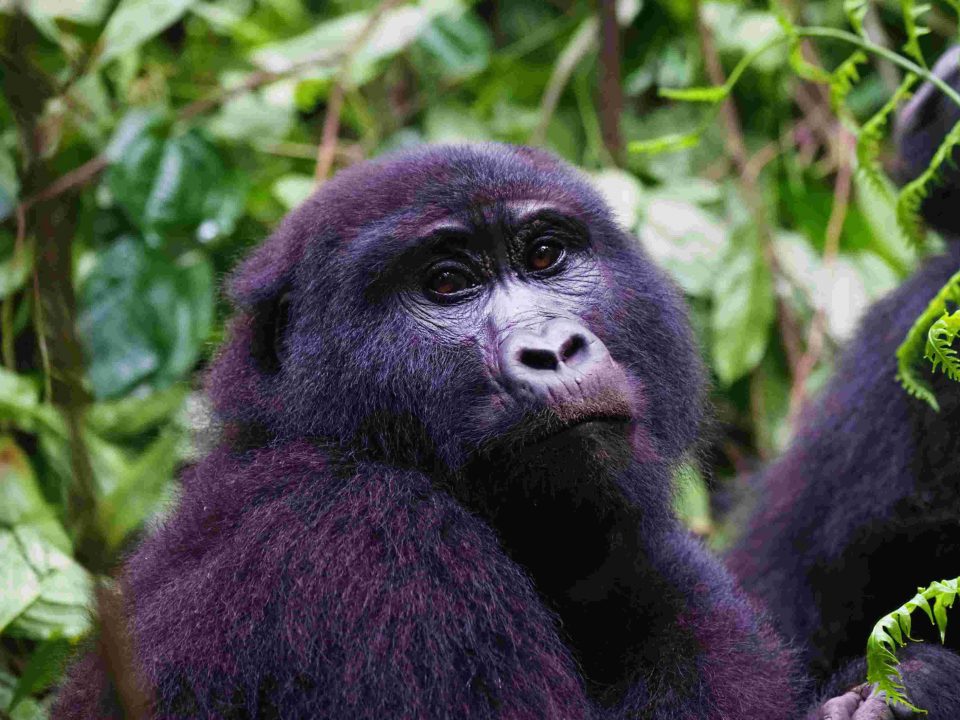
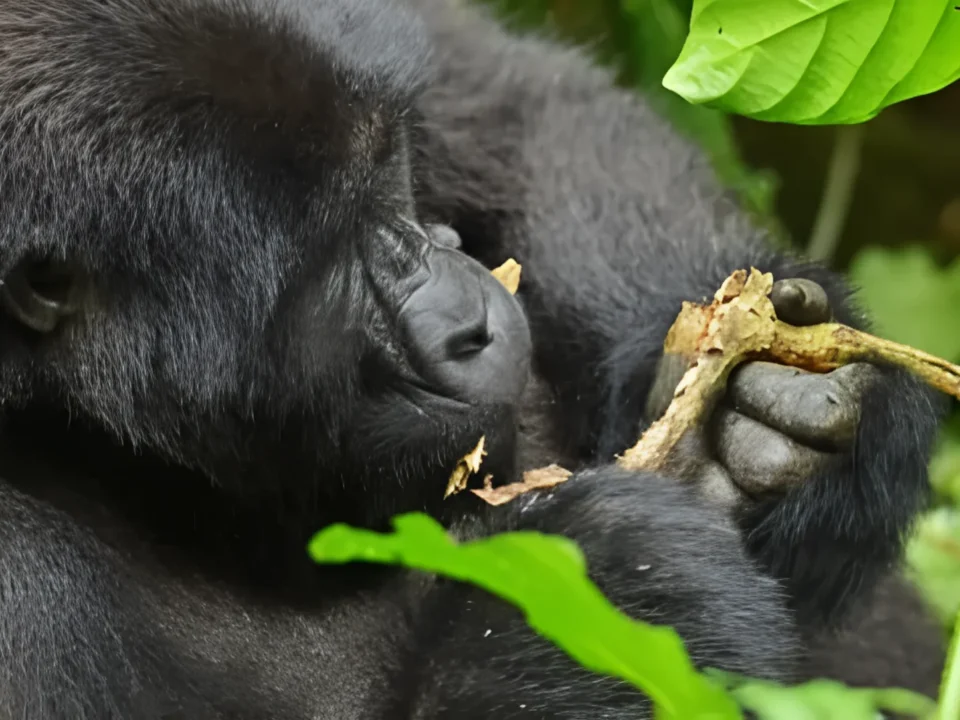
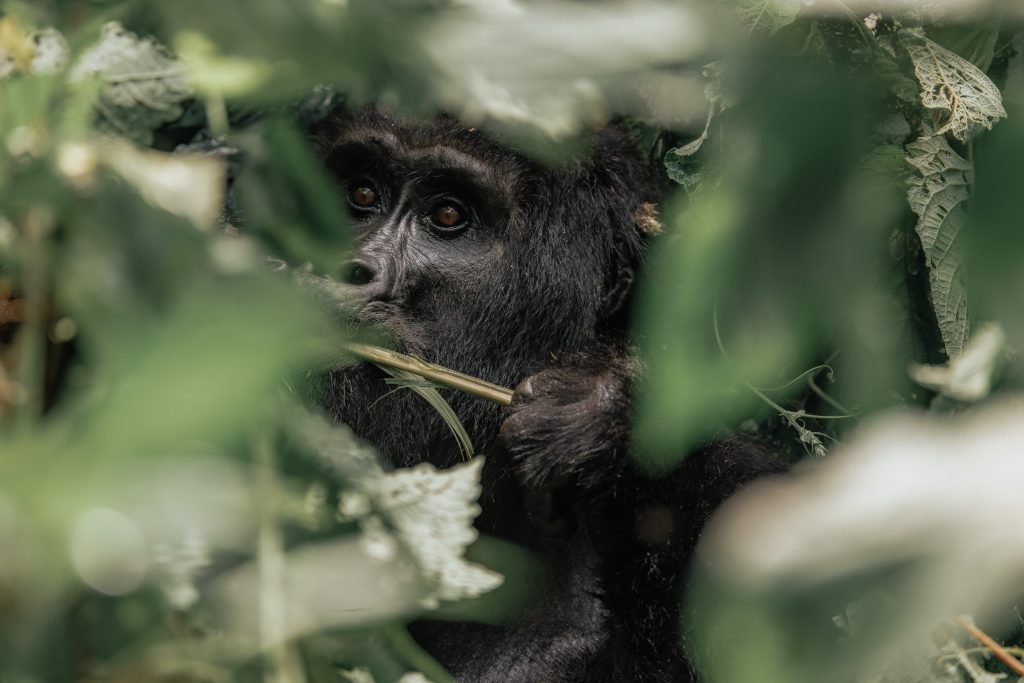
| Primate Trekking | High-altitude forest hiking | Primate enthusiasts, fit hikers | Mountain Gorillas and Chimpanzees |
| Water / Boat Safari | Motorized boats or traditional mokoros | Photographers, birdwatchers | Hippos, Nile crocodiles, elephants swimming, aquatic birds |
Classic Game Drives
The undisputed backbone of the African travel experience. Guests head out in custom-engineered 4×4 safari vehicles featuring pop-up roofs or completely open sides. Led by professional guides and trackers, these drives occur during the cool hours of early morning and late afternoon when predators are most active.
Walking Safaris
For those who want to get out from behind the glass and steel of a vehicle, walking safaris offer an immersive, ground-level perspective. Accompanied by armed wildlife rangers, travelers learn to read the bush like a book, identifying fresh animal tracks, deciphering warning calls, and observing smaller flora and fauna that are easily missed from a car.
Water Safaris
Navigating water systems offers a peaceful, alternative look at wildlife. Whether drifting down the Nile River in a motorized launch to view herds of elephants bathing or silently navigating wetland floodplains in a traditional dugout canoe (mokoro), water safaris excel at bringing travelers close to hippos, crocodiles, and specialized riverine birds.
-
Planning Resources and Key Logistics
Embarking on a wildlife journey requires careful tactical preparation long before stepping onto the plane.
Choosing Your Safari Region
The African continent is generally divided into two major, distinct safari circuits:
- The East African Circuit (Uganda, Kenya, Tanzania): Famous for sweeping, open savannahs, the annual Great Wildebeest Migration, and unique high-altitude primate trekking (gorillas and chimpanzees) in dense rainforests.
- The Southern African Circuit (South Africa, Botswana, Namibia, Zimbabwe): Known for its massive private game reserves, the intricate water networks of the Okavango Delta, the towering desert dunes of the Namib, and luxury-focused, low-density tented camps.
Practical Travel Blueprint
- The Seasonal Window: While safaris operate year-round, the dry seasons are universally considered the best time for game viewing. As water holes dry up, animals are forced to congregate around predictable, permanent water sources, and the thinned-out vegetation makes wildlife much easier to spot.
- Health Prep: Many premier safari destinations are located in remote areas where tropical diseases are present. Travelers should consult a travel clinic at least six weeks before departure to review Malaria prophylaxis options and secure mandatory immunizations, such as the Yellow Fever vaccine.
Ready to Experience the Pearl of Africa?
Uganda is a destination that defies expectations, offering a raw, unscripted look at our natural world. While navigating the current 2026 travel landscape requires careful planning and a reputable partner, the rewards of standing meters away from a silverback gorilla or witnessing the sheer power of Murchison Falls are entirely life-changing.
The secret to a flawless, safe, and profoundly moving Ugandan safari lies in expert execution.
Start Planning Your Journey Today
Don’t just dream about the mist-veiled rainforests of Bwindi or the tree-climbing lions of Ishasha, let’s make it a reality. Our specialized team handles every logistical detail, from securing highly coveted UWA gorilla permits to navigating real-time travel updates, health regulations, and luxury eco-lodge reservations.
Tailor Your Private Safari
Whether you are looking for a high-intensity adventure in Jinja, a dedicated photographic expedition, or an immersive multi-day luxury safari across the western circuit, we build bespoke itineraries designed around your specific passions.
Your journey into the heart of wild Africa begins with a single step. Let’s map it out together.