A Comprehensive Guide to Wildlife Safaris, Health Alerts, and Travel Safety
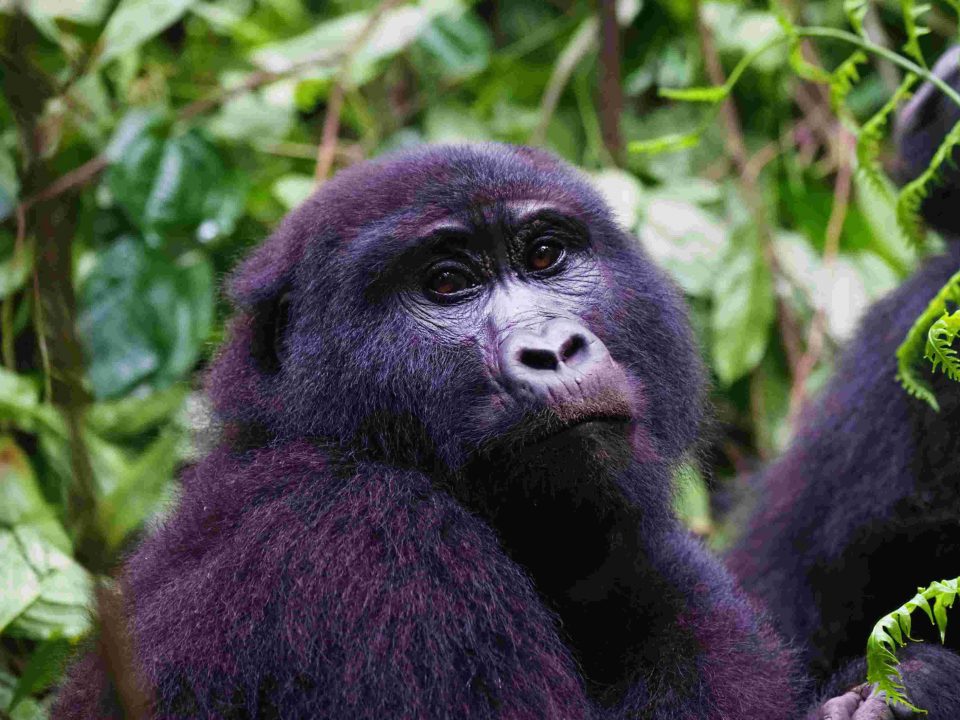
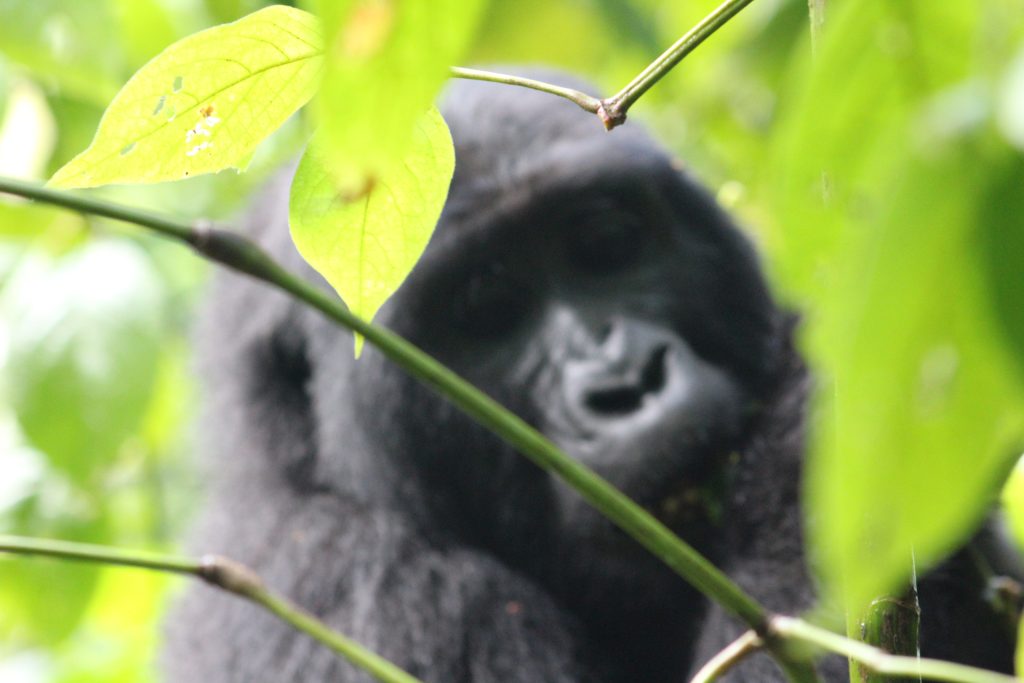
Uganda remains one of the most ecologically diverse and rewarding destinations in Africa. Famous for housing half of the world’s remaining mountain gorilla population, the Pearl of Africa continues to draw thousands of travelers eager to experience bucket-list wildlife encounters.
However, traveling here requires a careful balance of awe and preparation. The landscape involves navigating active international health alerts alongside highly localized security protocols. Understanding the ground reality ensures a safe, smooth, and unforgettable journey.
-
The Global Health Context: The 2026 Bundibugyo Ebola Outbreak
The most critical update for travelers relates to public health. In mid-May 2026, the World Health Organization (WHO) officially declared the Ebola outbreak in the Democratic Republic of the Congo (DRC) and Uganda a Public Health Emergency of International Concern (PHEIC).
Understanding the Strain
The current outbreak is driven by the Bundibugyo strain of the virus. Unlike the more common Zaire strain encountered in previous global headlines, the Bundibugyo strain currently has no licensed vaccine or approved targeted antiviral treatments. Because traditional vaccine rings cannot be deployed, global and local health authorities are relying entirely on rapid case identification, strict isolation, and contact tracing to contain the spread.
Current Case Footprint on the Ground
While the vast majority of cases and suspected transmissions remain concentrated across the border in the DRC’s Ituri, North Kivu, and South Kivu provinces, the virus has crossed borders due to regional transit:
- The Numbers: As of late May 2026, Uganda has reported seven confirmed cases and one death.
- Location: Crucially, two independent, laboratory-confirmed cases were detected in the capital city of Kampala among individuals traveling directly from the DRC. Both were promptly admitted to intensive isolation units.
- The Risk Factor: For the average international tourist staying within the strict safari bubble, the risk of contracting Ebola remains exceptionally low. The virus is not airborne; it spreads strictly through direct contact with the bodily fluids of a symptomatic individual.
-
On the Ground: Safari Tourism & National Park Safety
Despite the international health alerts, Uganda’s premier national parks, including Bwindi Impenetrable, Queen Elizabeth, Murchison Falls, and Kibale Forest, remain fully operational and highly insulated from broader regional crises.
The safari network operates as a highly managed, self-contained ecosystem. The Uganda Wildlife Authority (UWA) coordinates closely with trained rangers, tourism police, and military escorts to maintain a secure environment for both wildlife and international guests.
| Destination / Activity | Primary Visual Experience |
| Bwindi Impenetrable National Park | Mountain Gorilla Trekking |
| Queen Elizabeth National Park | Savanna Game Drives & Kazinga Channel |
| Kibale Forest National Park | Chimpanzee Tracking & Primates |
| Murchison Falls National Park | Dramatic Nile Waterfalls & Big Game |
Wildlife Tracking Protocols
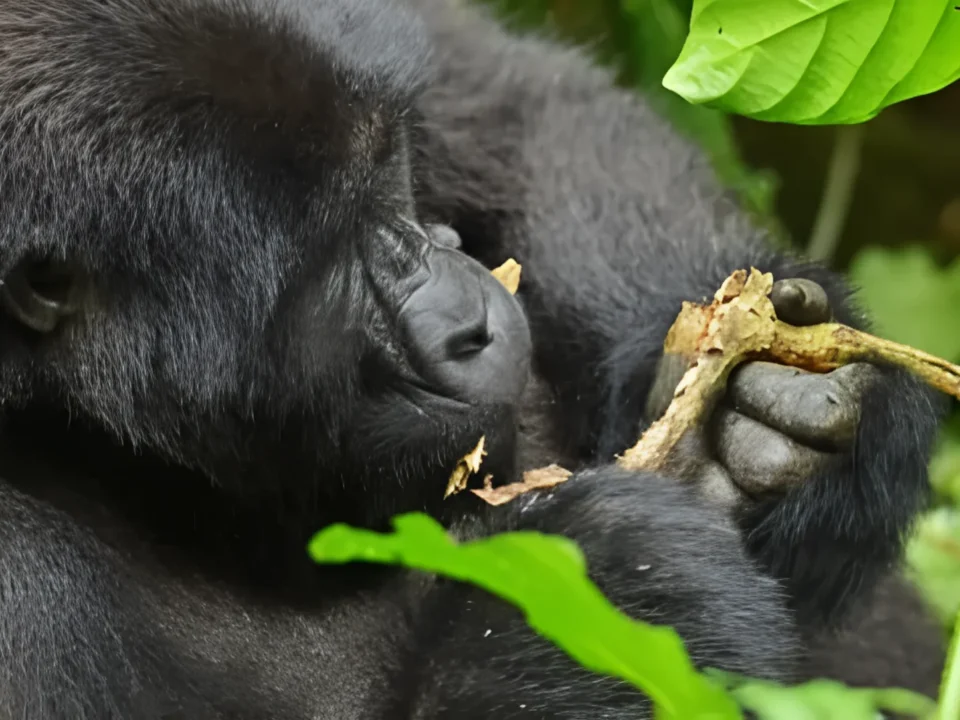
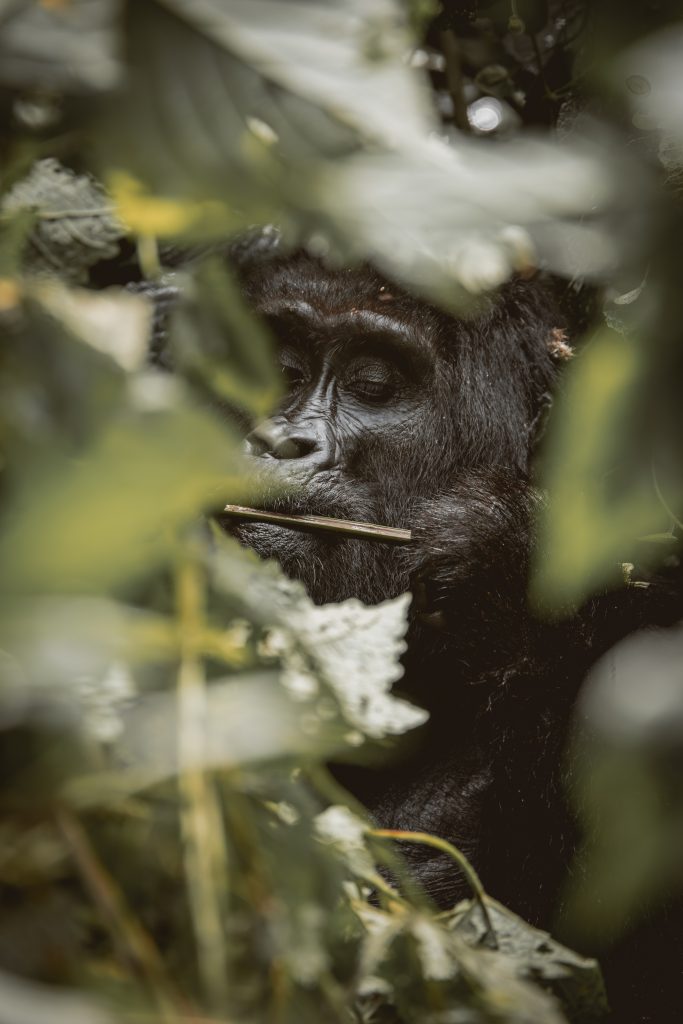
Activities like gorilla trekking and chimpanzee tracking are heavily regulated. Because primates share roughly 98% of human DNA, they are highly susceptible to human respiratory illnesses. Long before the current Ebola outbreak, Uganda enforced strict health protocols for primate encounters, including mandatory masking, sanitization, and maintaining a strict 23-foot (7-meter) distance from the families. These existing frameworks have made it seamless for the tourism sector to maintain heightened hygiene barriers.
-
General Security, Regional Risks, and Urban Safety
While the parks themselves are highly secure, international travel advisories (including those from Canada and Australia) recommend a high degree of caution due to localized crime and geopolitical friction points.

Border Zones to Avoid
Security risks in Uganda are highly geographic. Western government advisories explicitly warn against non-essential or all travel to specific border regions:
- The South Sudan Border: Avoid all travel within 50 km of this border due to sporadic banditry and cross-border rebel activity. (Note: This generally excludes well-traveled routes to specific northern parks when accompanied by reputable operators.
- The DRC Border: Due to the volatile security situation in eastern DRC and the fluid nature of the current health crisis, travelers are urged to avoid stepping across the border. Never participate in gorilla trekking itineraries that cross over into the DRC.
Urban Awareness & Domestic Transit
In major hubs like Kampala and Entebbe, petty crime (such as bag-snatching, pickpocketing, and vehicle break-ins) occurs, particularly in crowded markets or at night.
- Increased Screenings: Due to regional counter-terrorism efforts, expect routine security checkpoints. Luggage, vehicle, and body checks are standard practice at mall entrances, hotels, and transit hubs. Treat these checkpoints with patience and compliance.
- Road Safety: Traffic accidents remain one of the statistically highest physical risks for travelers in Uganda. Standard road infrastructure can be unpredictable, and night driving is highly discouraged due to poor lighting and aggressive freight traffic.
-
Essential Checklist for Travelers
If you are planning or proceeding with a trip to Uganda, implementing these foundational steps will mitigate the vast majority of health and security risks:
1. Secure Mandatory Vaccinations: Before Departure.
Ensure your routine immunizations are entirely up to date. A valid Yellow Fever vaccination certificate is a mandatory entry requirement for all travelers arriving in Uganda and will be checked at immigration.
2. Arrange Malaria Prophylaxis:6 Weeks Before Travel.
Malaria is highly endemic throughout Uganda, particularly in rural safari zones and forested tracking regions. Consult a travel clinic well in advance to select an effective prescription preventative (such as Malarone or Doxycycline) and pack high-DEET insect repellent.
3. Partner with a Registered Tour Operator: Booking Phase.
Independent, unguided backpacking through remote border zones carries elevated risks. Book your transport, lodging, and permits through an operator registered with the Association of Uganda Tour Operators (AUTO). They utilize specialized, well-maintained 4×4 vehicles and employ drivers who navigate local road conditions safely.
4. Practice Strict Health & Sanitization Measures: Throughout the Trip.
Consume exclusively bottled or treated water. Avoid raw or undercooked street food in unvetted urban areas. Wash hands frequently, utilize alcohol-based sanitizers, and closely monitor local media or WHO situation updates regarding localized containment zones.
The Takeaway: Uganda in 2026 remains an unmatched frontier for wildlife conservation and adventure. By staying informed of the current Bundibugyo Ebola outbreak footprint, avoiding restricted border zones, and moving through the country via trusted, professional operators, travelers can safely experience the incredible natural heritage of the region.