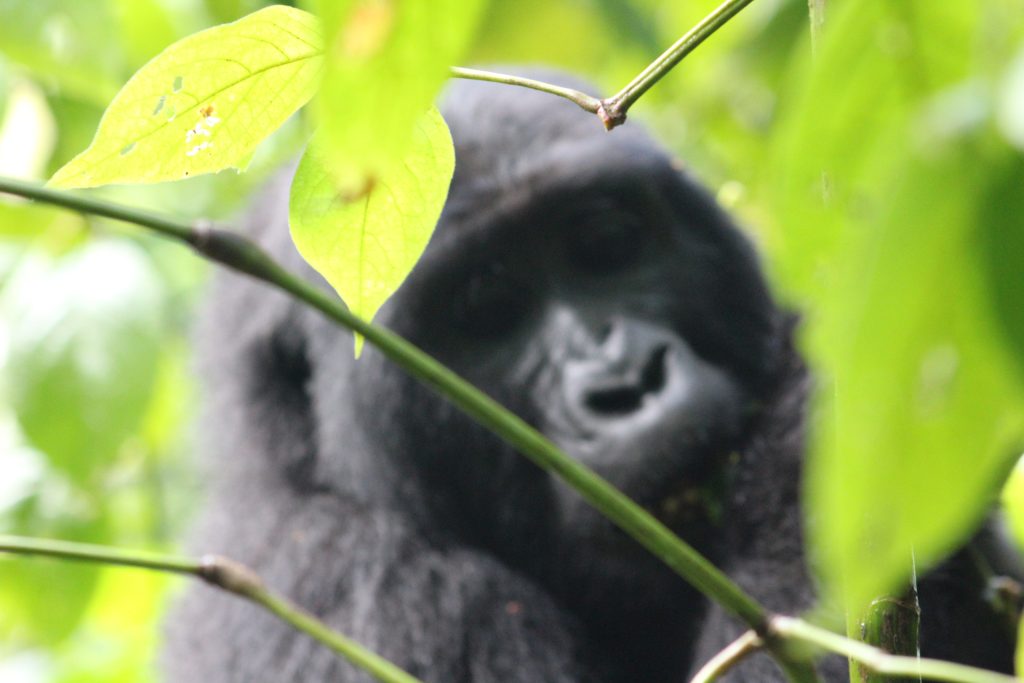
10 Mistakes First-Time Gorilla Trekkers Make (And How to Avoid Them)
Watching a family of endangered mountain gorillas in their natural habitat is one of Africa’s most unforgettable wildlife experiences. Every year, thousands of travelers visit Uganda for gorilla trekking, hoping to spend one magical hour with these gentle giants in the forests of Bwindi Impenetrable National Park and Mgahinga Gorilla National Park.
However, many first-time visitors unknowingly make mistakes that can affect their comfort, safety, and overall experience. Whether it’s wearing the wrong clothing, underestimating the terrain, or booking permits too late, these common errors can easily be avoided with proper preparation.
This guide highlights the 10 biggest mistakes first-time Gorilla Trekking Uganda visitors make and provides practical advice to help you enjoy a smooth and unforgettable gorilla trekking safari.
-
Underestimating How Challenging Gorilla Trekking Can Be
Many travelers assume gorilla trekking is a leisurely walk through the forest. In reality, the trek can last anywhere from one to eight hours depending on where the gorilla family is located.
The terrain in Bwindi Impenetrable National Park is steep, muddy, and densely forested. You’ll climb hills, descend slippery paths, cross streams, and hike through thick vegetation before finding the gorillas.
Although you don’t need to be an athlete, preparing your body before your trip makes a significant difference.
How to Avoid This Mistake
Before traveling to Uganda:
- Walk several times each week.
- Practice hiking on hills or uneven trails.
- Improve your stamina with regular cardio exercise.
- Stretch your legs and back to reduce muscle fatigue.
Even moderate fitness can make your Uganda gorilla trekking adventure much more enjoyable.
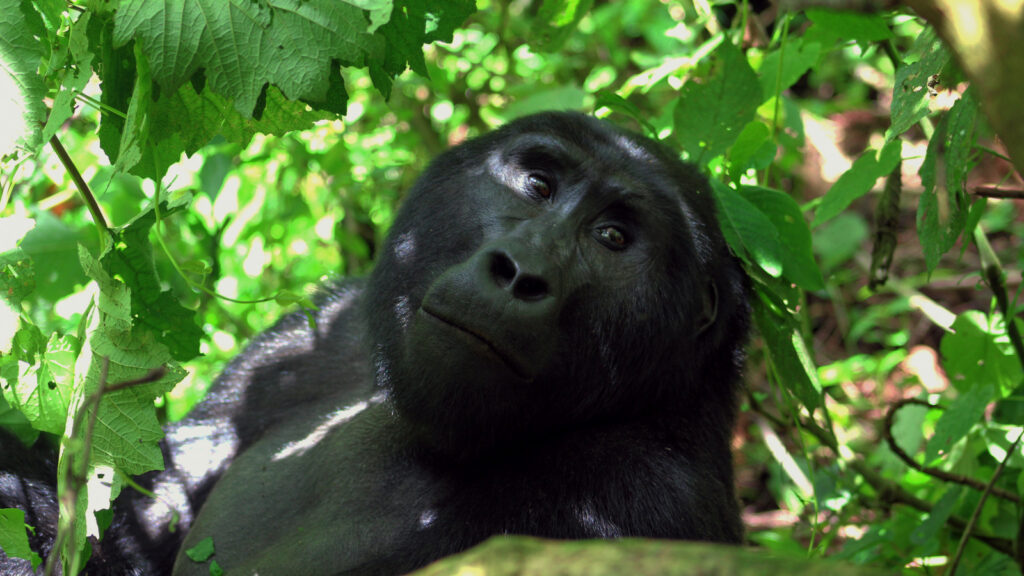
First-Time Gorilla Trekking in Uganda
-
Wearing the Wrong Clothing
Your clothing can either make your trek comfortable or miserable.
The rainforest environment is humid, muddy, and full of stinging nettles, thorny plants, and insects. Shorts, sandals, or light sneakers leave your skin exposed and increase the risk of scratches and insect bites.
What You Should Wear
Choose clothing designed for outdoor hiking:
- Long-sleeved shirts
- Long hiking trousers
- Waterproof hiking boots with ankle support
- Thick hiking socks
- Gardening or trekking gloves
- Waterproof rain jacket
- Wide-brim hat or cap
Neutral colors such as green, brown, or khaki blend naturally with the forest environment.
Avoid bright colors that may disturb wildlife.
Packing the right gear is one of the easiest ways to improve your gorilla trekking safari experience.
-
Booking Gorilla Trekking Permits Too Late
One of the biggest disappointments travelers face is discovering that permits have already sold out.
Only a limited number of visitors are allowed to visit each gorilla family every day. This conservation measure protects the endangered mountain gorillas while ensuring visitors enjoy a high-quality experience.
During peak travel seasons, permits can sell out several months in advance.
Best Time to Reserve Gorilla Trekking Permits
For the best availability, book your permits:
- 4–6 months in advance during the dry seasons (June–September and December–February)
- At least 2–3 months ahead during quieter travel periods
Booking early also gives you more flexibility when planning accommodation and transportation.
A reputable tour operator can secure your gorilla trekking permits and organize the rest of your safari itinerary.
-
Packing Too Little or Too Much
Packing mistakes are incredibly common among first-time trekkers.
Some travelers forget essential items like rain jackets, while others carry heavy backpacks that become exhausting during the hike.
Finding the right balance is key.
Gorilla Trekking Packing List
Bring only the essentials:
- Passport
- Gorilla trekking permit
- Waterproof backpack
- Refillable water bottle
- Energy snacks
- Sunscreen
- Insect repellent
- Rain jacket
- Camera (without flash)
- Extra camera batteries
- Binoculars
- Small first-aid kit
- Walking stick (often provided at the park)
If your backpack feels heavy, consider hiring a porter. Besides making your trek easier, hiring local porters supports nearby communities and contributes to conservation efforts.
Why Preparation Matters
The mountain gorillas of Uganda are among the world’s most endangered primates. Visiting them is a privilege that comes with responsibility.
Proper preparation not only improves your comfort but also helps protect the gorillas and their fragile habitat.
By avoiding these first four mistakes, you’ll already be better prepared than many first-time visitors and significantly increase your chances of enjoying an unforgettable Gorilla Trekking Uganda experience.
-
Ignoring the Gorilla Trekking Rules
One of the most serious mistakes first-time visitors make is overlooking the guidelines provided by the Uganda Wildlife Authority (UWA). These rules are designed to protect both visitors and the endangered mountain gorillas.
Mountain gorillas share about 98% of their DNA with humans, making them highly susceptible to human illnesses such as colds and flu. Even a minor infection can pose a serious threat to an entire gorilla family.
Before every trek, experienced park rangers conduct a briefing to explain the rules. Pay close attention, as following these guidelines is essential for a safe and responsible gorilla trekking safari.
Important Gorilla Trekking Rules
- Maintain a minimum distance of 7 meters (23 feet) from the gorillas.
- Never touch a gorilla, even if it approaches you.
- Avoid direct eye contact with silverbacks.
- Speak quietly throughout the encounter.
- Do not use flash photography.
- Cover your mouth and nose when coughing or sneezing.
- Stay with your assigned ranger at all times.
- Never feed the gorillas.
Respecting these rules helps preserve Uganda’s mountain gorilla population for future generations while ensuring your experience remains safe and unforgettable.
-
Choosing the Wrong Gorilla Trekking Tour Operator
Many travelers focus only on finding the cheapest package instead of choosing a reputable safari company.
While saving money may seem attractive, poor planning, unreliable transportation, inexperienced guides, or hidden costs can quickly turn an exciting adventure into a stressful experience.
An experienced operator adds tremendous value to your Uganda gorilla trekking trip by handling permits, accommodations, transportation, and local logistics.
What to Look for in a Safari Company
Before booking, consider whether the company offers:
- Licensed and experienced safari guides
- Assistance securing gorilla trekking permits
- Comfortable accommodation options
- Reliable 4×4 safari vehicles
- Transparent pricing
- Positive traveler reviews
- Flexible itineraries
- Emergency support during your safari
Choosing a trusted operator allows you to focus entirely on enjoying your gorilla safari Uganda experience instead of worrying about logistics.
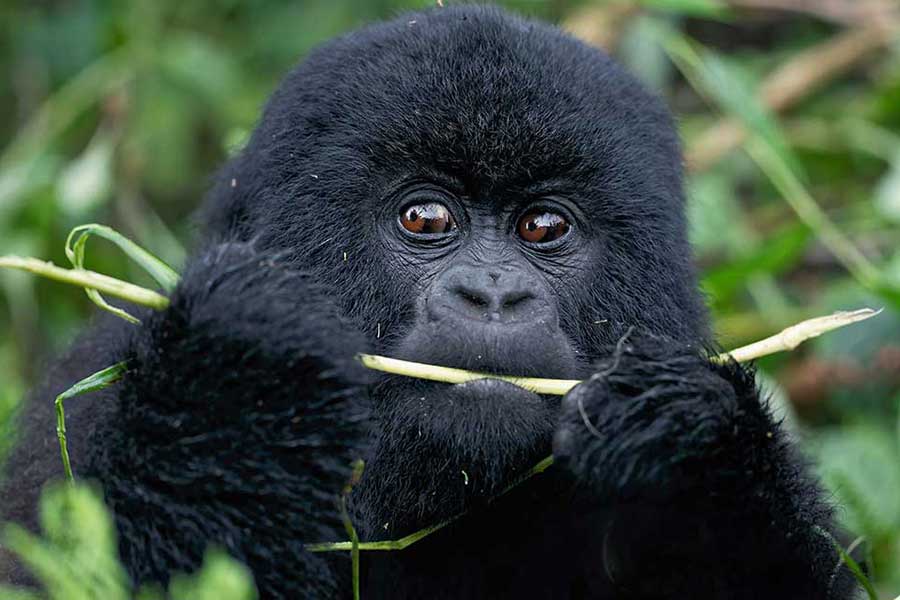
First-Time Gorilla Trekking in Uganda
-
Not Hiring a Porter
Many first-time trekkers assume hiring a porter is unnecessary. After all, they believe they can carry their own backpack.
However, this is one of the most common mistakes visitors regret after the trek.
The rainforest trails are often muddy, steep, and slippery. Even a light backpack can become uncomfortable after several hours of hiking.
Porters are incredibly helpful. They can:
- Carry your backpack.
- Help you balance on steep trails.
- Assist when crossing slippery sections.
- Offer encouragement during difficult climbs.
- Reduce physical fatigue throughout the trek.
Perhaps even more importantly, hiring a porter directly supports local communities living around Bwindi Impenetrable National Park and Mgahinga Gorilla National Park.
Many porters are former poachers who now earn sustainable incomes through tourism, making your contribution an important part of gorilla conservation.
The small additional cost is well worth the comfort and positive community impact.
-
Expecting Every Gorilla Trek to Be Easy
Every gorilla trek is unique.
Some visitors locate their assigned gorilla family within an hour, while others may spend several hours hiking through dense rainforest before reaching them.
Several factors influence the difficulty of the trek, including:
- Weather conditions
- Gorilla movements
- Terrain
- Assigned gorilla family
- Visitor fitness levels
Instead of worrying about how long the hike may take, embrace the journey.
Along the way, you may encounter:
- Colorful bird species
- Forest elephants
- L’Hoest’s monkeys
- Black-and-white colobus monkeys
- Butterflies
- Rare plant species
- Beautiful rainforest scenery
Remember that the trek itself is part of the adventure.
When you finally stand just a few meters from a family of wild mountain gorillas, every challenging step becomes worthwhile.
Expert Tips for a Better Gorilla Trekking Experience
Experienced safari guides recommend a few simple practices that can greatly improve your trek.
Stay Hydrated
Rainforest hikes are physically demanding, especially during warmer months. Carry enough drinking water and take small sips regularly throughout the trek.
Eat a Good Breakfast
A nutritious breakfast provides the energy needed for several hours of hiking.
Choose foods rich in protein and complex carbohydrates before leaving your lodge.
Listen to Your Ranger
Uganda Wildlife Authority rangers know the forest exceptionally well.
Following their instructions improves your safety while increasing your chances of enjoying an excellent gorilla encounter.
Be Patient
Gorilla trekking is a wildlife experience, not a zoo visit.
The unpredictability is part of what makes it so rewarding.
Patience often leads to unforgettable moments, such as watching young gorillas play, mothers caring for infants, or a majestic silverback calmly observing his family.
Preparing for an Unforgettable Gorilla Encounter
By avoiding these eight common mistakes, you’ll be well prepared for one of Africa’s most extraordinary wildlife adventures.
From booking permits early and packing wisely to respecting gorilla trekking regulations and hiring a local porter, every decision contributes to a smoother, safer, and more enjoyable experience.
-
Focusing Only on Photos Instead of the Experience
It is natural to want incredible photos of your gorilla trekking adventure. After all, seeing endangered mountain gorillas in the wild is a once-in-a-lifetime experience. However, many visitors become so focused on capturing the perfect picture that they forget to enjoy the moment.
During your one-hour visit with the gorillas, avoid spending the entire time looking through your camera lens. Take a few memorable photos, then pause to observe their fascinating behaviors.
Watch the silverback calmly protect his family, mothers lovingly care for their infants, and playful young gorillas climb trees or wrestle with one another. These are the moments that make Gorilla Trekking Uganda such an unforgettable experience.
Photography Tips
To capture great memories while respecting wildlife:
- Turn off your camera flash.
- Keep your camera ready before reaching the gorillas.
- Use silent shooting mode if available.
- Bring spare batteries and memory cards.
- Spend time simply enjoying the encounter without taking photos.
Many travelers later say that their favorite memories came from quietly observing the gorillas rather than photographing every second.
-
Visiting During the Wrong Season Without Planning Ahead
One of the biggest misconceptions is that gorilla trekking is only worthwhile during the dry season.
The truth is that gorilla trekking in Uganda is available year-round, and every season offers unique advantages.
Dry Season (June to September and December to February)
Advantages include:
- Easier hiking trails
- Less mud
- More sunshine
- Excellent photography conditions
This is also the busiest travel period, so gorilla trekking permits and accommodation often sell out well in advance.
Wet Season (March to May and October to November)
Benefits include:
- Fewer tourists
- Greater lodge availability
- Lush green rainforest scenery
- Excellent birdwatching opportunities
Although trails may be muddier, experienced guides and proper hiking gear make trekking enjoyable throughout the year.
If you’re wondering about the best time for gorilla trekking, the answer depends on your travel style, budget, and preferred weather conditions. No matter when you visit, the chance to see mountain gorillas in their natural habitat remains extraordinary.
Final Tips for First-Time Gorilla Trekkers
Before setting off on your adventure, keep these essential reminders in mind:
- Book your gorilla trekking permits several months in advance.
- Improve your fitness with regular walking or hiking.
- Wear waterproof hiking boots and long clothing.
- Carry only essential items.
- Hire a local porter for extra support.
- Respect all Uganda Wildlife Authority guidelines.
- Stay hydrated throughout the trek.
- Listen carefully to your ranger.
- Enjoy the experience beyond your camera lens.
- Choose a reputable safari company for a stress-free trip.
With the right preparation, your gorilla trekking safari can become one of the most rewarding wildlife experiences you’ll ever have.
Frequently Asked Questions
How difficult is Gorilla Trekking Uganda?
The difficulty varies depending on the location of your assigned gorilla family. Some hikes take less than an hour, while others may last several hours over steep and muddy terrain. A moderate level of fitness is recommended.
How much time do you spend with the gorillas?
Visitors are allowed to spend one hour observing the gorillas once they are located. This rule helps minimize human impact on the animals.
What should I pack for gorilla trekking?
Essential items include:
- Waterproof hiking boots
- Long trousers
- Long-sleeved shirt
- Rain jacket
- Gardening or trekking gloves
- Drinking water
- Energy snacks
- Camera without flash
- Insect repellent
- Small backpack
Is Gorilla Trekking Uganda safe?
Yes. Gorilla trekking is considered very safe when conducted with licensed Uganda Wildlife Authority rangers and experienced safari guides. Visitors receive a safety briefing before every trek.
Which national park is best for gorilla trekking in Uganda?
The two gorilla trekking destinations are:
- Bwindi Impenetrable National Park, home to most habituated gorilla families.
- Mgahinga Gorilla National Park, which offers a quieter trekking experience within the Virunga Mountains.
Both provide exceptional opportunities to see endangered mountain gorillas.
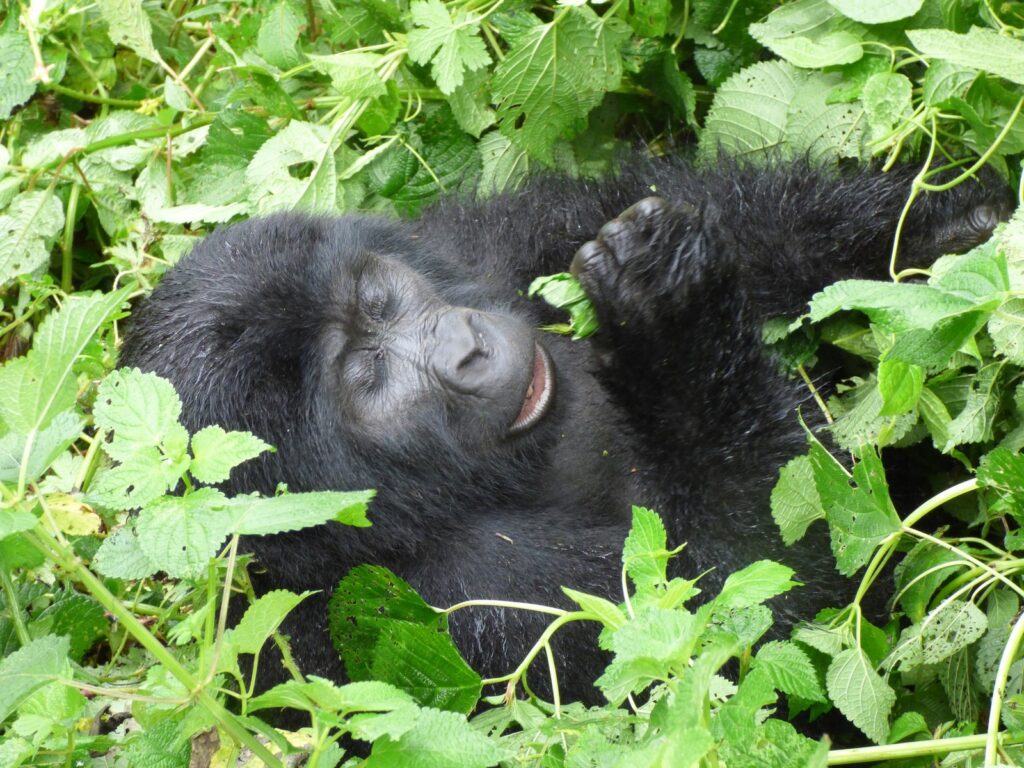
Proper preparation helps first-time visitors enjoy an unforgettable gorilla trekking experience in Uganda.
Conclusion
A successful Gorilla Trekking Uganda adventure begins long before you enter the rainforest.
Preparing physically, packing the right gear, booking permits early, respecting gorilla conservation guidelines, and choosing an experienced safari operator all contribute to an enjoyable and memorable journey.
By avoiding the ten common mistakes covered in this guide, you’ll not only improve your own experience but also help support the long-term conservation of Uganda’s endangered mountain gorillas.
Whether you choose the ancient forests of Bwindi Impenetrable National Park or the scenic slopes of Mgahinga Gorilla National Park, you’ll return home with unforgettable memories and a deeper appreciation for one of Africa’s greatest wildlife experiences.
Ready to Experience Gorilla Trekking Uganda?
Planning your first gorilla trekking safari doesn’t have to be complicated.
Our experienced team can help you secure gorilla trekking permits, recommend the best lodges, arrange transportation, and create a personalized itinerary that matches your budget and travel style.
Contact Gorilla Trekking Safaris today and let us help you plan the adventure of a lifetime with Uganda’s magnificent mountain gorillas.