The Ultimate Guide to Uganda’s Top Destinations
Few travel destinations compress such a staggering variety of ecological zones into a single country as Uganda. Best known as the Pearl of Africa, this equatorial gem sits at a rare geographical crossroads where the sprawling East African savannah merges seamlessly with the dense, misty jungles of the West African rainforest. For global travelers planning a definitive African safari, Uganda represents a rare biological jackpot. It is one of the only places on Earth where you can actively track wild primates through deep, ancient canopies in the morning and cross paths with hunting lion prides across wide-open savannah grasslands by afternoon.
-
 Bwindi Impenetrable National Park: The Prime Primate Sanctuary
Tucked into the rugged, mountainous landscape of southwestern Uganda, Bwindi Impenetrable National Park is a UNESCO World Heritage site that ranks as one of the most biologically diverse spots on the planet. Covering 321 square kilometers, this ancient, montane forest survived the last ice age, allowing it to develop an incredibly dense, multi-layered canopy that provides a vital sanctuary for an astonishing array of flora and fauna.
The Ultimate Destination for Endangered Mountain Gorillas
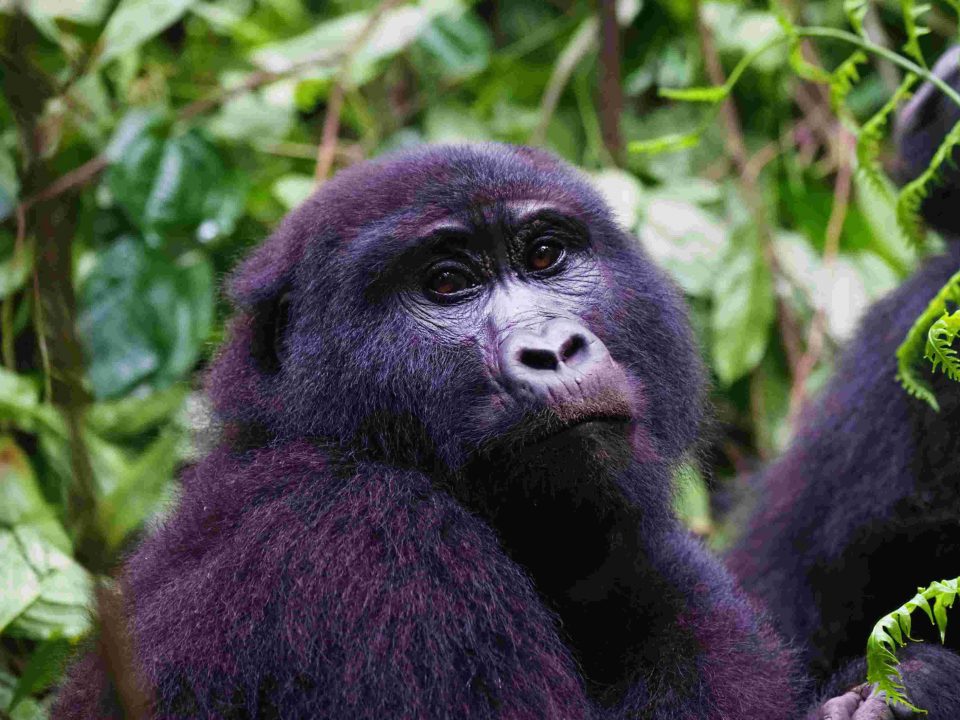
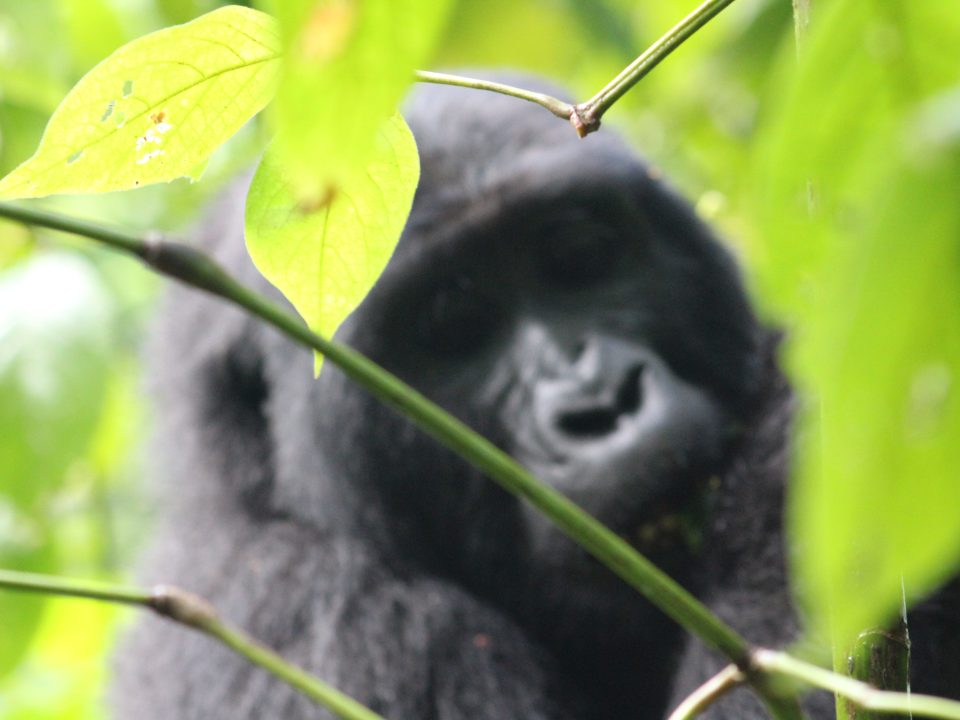
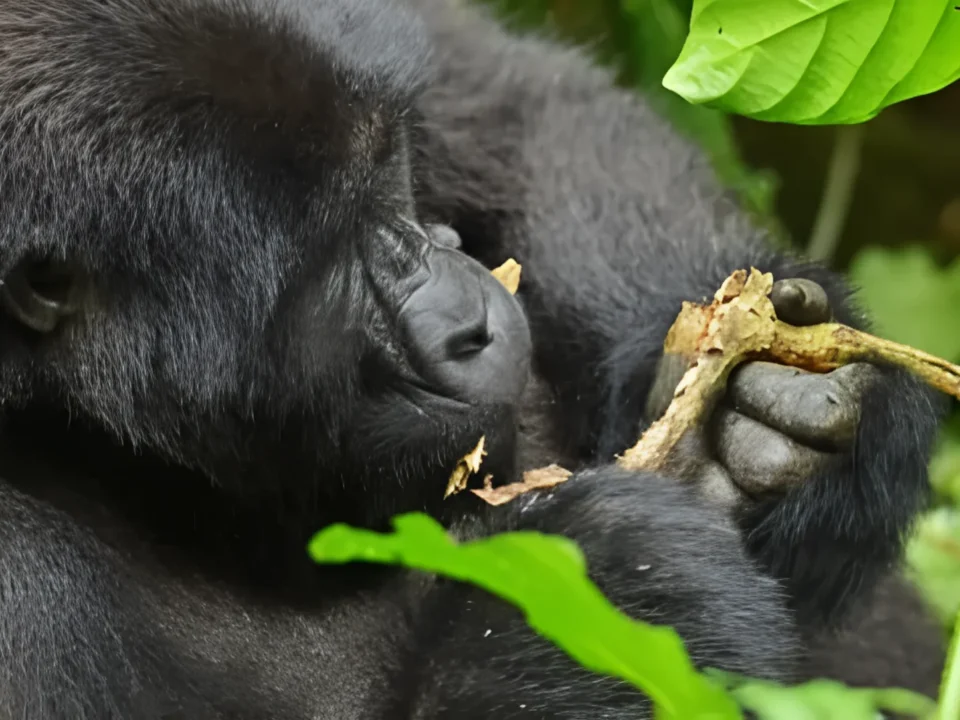
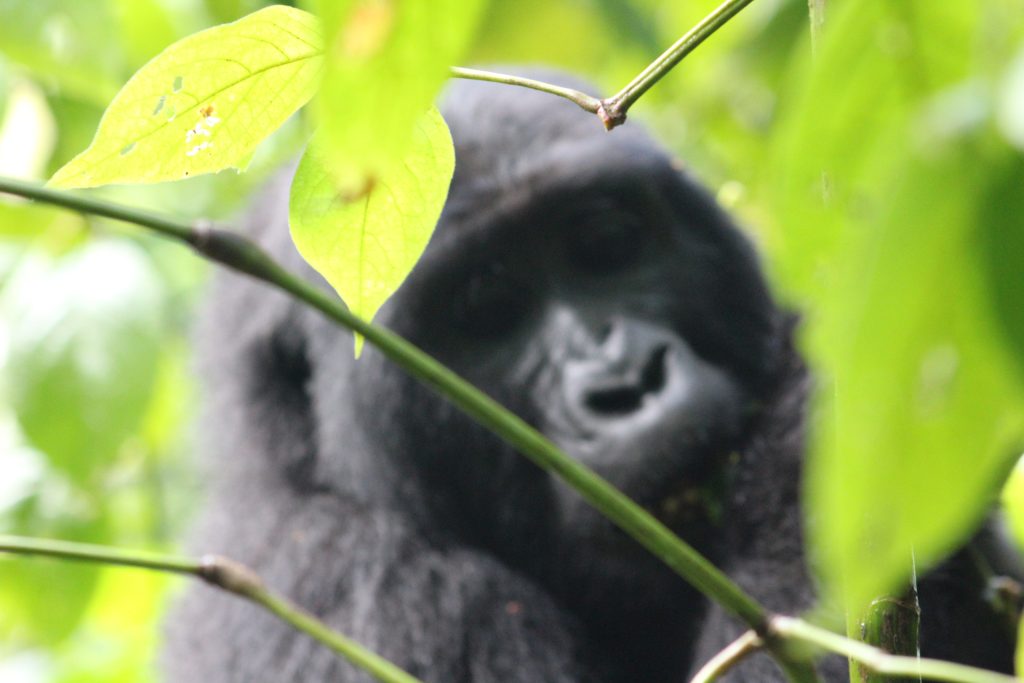
Bwindi’s crowning glory is its global status as the premier stronghold for the endangered mountain gorilla. With fewer than 1,060 mountain gorillas remaining on earth, Bwindi serves as home to roughly half of the world’s entire population.
The park is carefully managed across four independent tracking sectors, each supporting its own distinct habituated gorilla families:
- Buhoma (North): The oldest and most accessible sector, boasting gentle terrain and classic luxury eco-lodges.
- Ruhija (East): A high-altitude ridge favored by avid birdwatchers seeking rare Albertine Rift endemic species.
- Rushaga (South): A dynamic sector with the highest number of habituated families, ideal for deep-forest trekking.
- Nkuringo (Southwest): The most physically challenging sector, offering dramatic, panoramic views of the active Virunga Volcanoes alongside rugged, steep ridges.
What to Expect on a Gorilla Trek
Your tracking experience begins at dawn with an essential safety and conservation briefing at the respective sector headquarters. Treks can last anywhere from 45 minutes to upwards of six hours, depending entirely on where the assigned gorilla family nested the night before.
Critical Conservation Note: To safeguard these highly vulnerable great apes from human-borne pathogens, visitors must maintain a strict minimum distance of 10 meters (approx. 33 feet) from the gorillas at all times. Wearing a protective face mask during the encounter is standard procedure, and anyone displaying signs of communicable illness (like a cold or flu) will be legally barred from entering the forest to protect the primates.
-
Murchison Falls National Park: The Roar of the Nile
Covering over 3,800 square kilometers in northwestern Uganda, Murchison Falls National Park is Uganda’s oldest and largest protected conservation area. The park is defined and bisected by the iconic Victoria Nile, which cuts straight through rolling savannah plains, dense riverine woodlands, and sweeping wetlands before emptying into Lake Albert.
The Power of the World’s Most Powerful Waterfall
The park’s central attraction is the spectacular Murchison Falls itself. Here, the entire volume of the massive Nile River is violently forced through a remarkably narrow 7-meter rocky cleft in the Rift Valley escarpment before plunging 43 meters downward into the explosive Devil’s Cauldron. The sheer kinetic force of this bottleneck creates a continuous, thunderous roar and a permanent cloud of mist that paints vibrant rainbows across the sky.
Boat Safaris and Big-Game Encounters
The best way to experience this northern wilderness is through an afternoon boat safari to the base of the falls. As the boat moves upstream, the riverbanks reveal an impressive concentration of wildlife.
Hippos and Crocodiles:
Hundreds of hippos compete for territory in the river. Meanwhile, enormous Nile crocodiles, some over 15 feet long, rest along the shoreline with open jaws.
Elephants and Buffaloes:
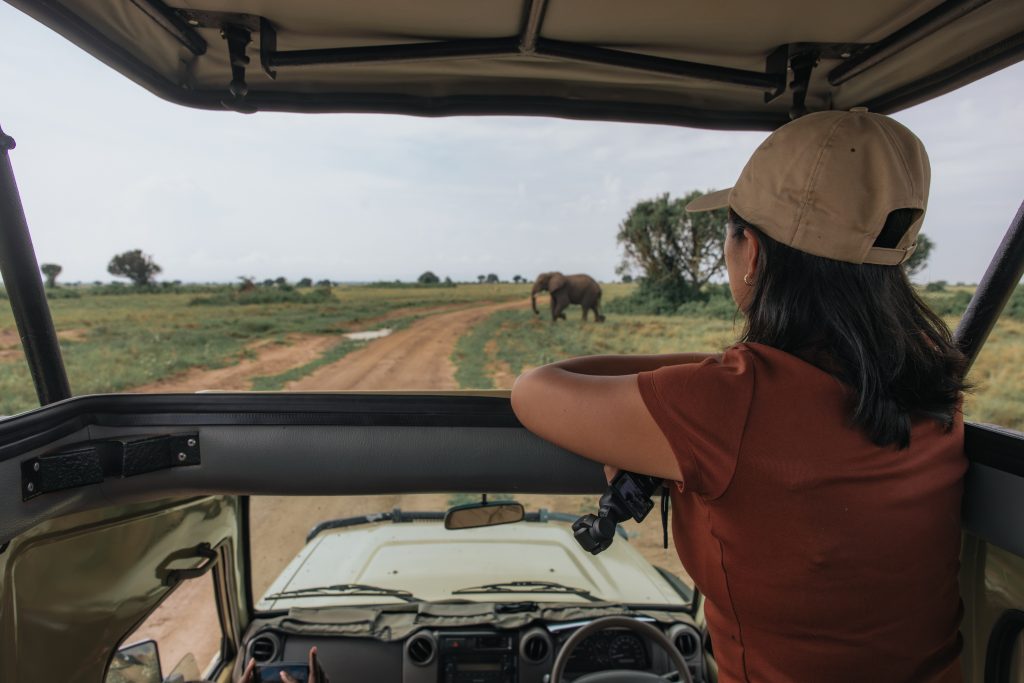
Large herds of African savannah elephants and Cape buffaloes often gather at the water’s edge. They come to drink, bathe, and escape the afternoon heat.
Avian Wonders:
The riverbanks attract many bird species. Birdwatchers frequently spot giant kingfishers, goliath herons, and the rare shoebill stork in the marshy deltas.
-
Queen Elizabeth National Park: Savannah Diversity
Framed by the snow-capped Rwenzori Mountains to the north and the glassy waters of Lake Edward and Lake George, Queen Elizabeth National Park is legendary for its incredibly diverse ecosystems. Spanning nearly 1,980 square kilometers, the park’s unique mosaic of fertile wetlands, open savannahs, crater lakes, and dark humid forests supports an incredible variety of wildlife.
The Tree-Climbing Lions of Ishasha
In most classic African wilderness settings, lions are strictly ground-dwelling predators. However, in the remote, southwestern Ishasha Sector of Queen Elizabeth National Park, a distinct behavioral adaptation subverts this completely.
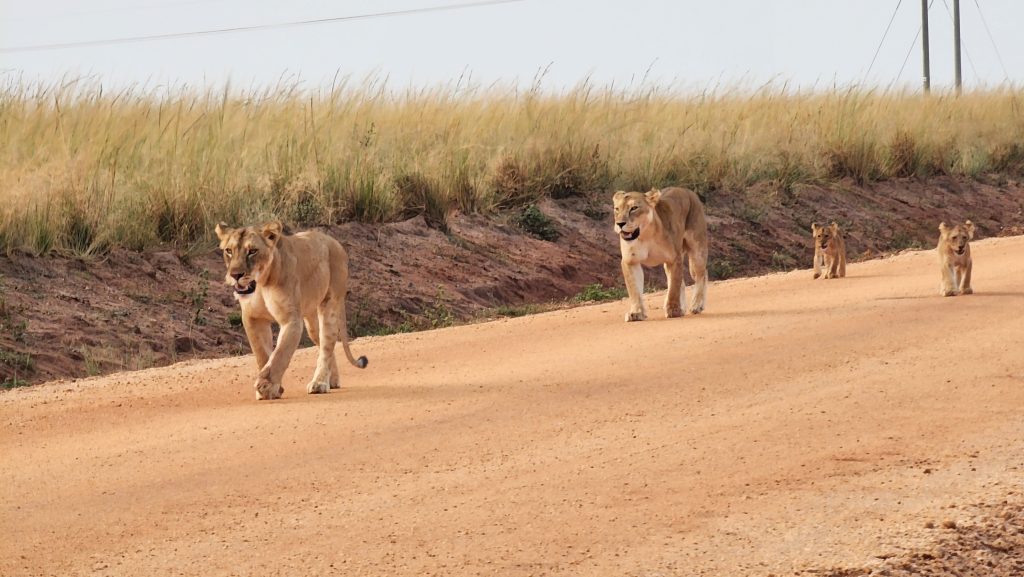
Here, entire prides spend their afternoons lazily draped across the horizontal limbs of old sycamore fig trees and albizia trees. Biologists point to several reasons for this unusual behavior:
- Thermoregulation: Rising 15 feet above the plains catches refreshing breezes that are completely blocked by the tall grasses at ground level.
- Insect Avoidance: Escaping to higher branches gets the lions clear of the painful bites of ground-dwelling tsetse flies.
- Vantage Points: The elevated limbs offer an unimpeded view of roaming herds of Uganda Kob, allowing the pride to scout their next meal with total stealth.
-
Kibale National Park: The Primate Capital of East Africa
For travelers interested in evolutionary biology and primate behavior, Kibale National Park is a remarkable destination. The park protects a rich expanse of lowland and montane rainforest in western Uganda. It also supports the highest concentration of primates in Africa.
World-Class Chimpanzee Tracking
Kibale is home to 13 primate species. These include the rare red colobus monkey, grey-cheeked mangabey, L’Hoest’s monkey, and olive baboon. However, the park’s main attraction is its population of 1,500 wild chimpanzees.
Chimpanzees share about 98.7% of human DNA. Watching a habituated community reveals fascinating behavior patterns. Visitors often observe tool use, strong social structures, and expressive vocal communication.
Chimpanzee Habituation Experience (CHEX)
For those seeking an even more immersive primate encounter, Kibale offers the full-day Chimpanzee Habituation Experience. Instead of the standard one-hour viewing limit, CHEX allows a small group of visitors to accompany UWA researchers, trackers, and habituators into the bush at dawn (6:00 AM) as the chimpanzees wake up and leave their overnight nests.
-
Jinja: The Adventure Capital of East Africa
Situated roughly 80 kilometers east of the capital city of Kampala, Jinja sits dynamically on the shores of Lake Victoria. While western and northern Uganda are celebrated for their tranquil wilderness reserves, Jinja is internationally famous as the historic and official Source of the White Nile, serving as the vibrant adventure sports capital of the region.
White-Water Rafting and Adrenaline Sports
Adrenaline junkies flock to Jinja to tackle world-class, grade-five white-water rafting expeditions through legendary rapids like The Bad Place and Big Brother. Beyond rafting, Jinja offers a diverse menu of high-octane activities, including:
- Extreme Bungee Jumping: Plunging off a spectacular 44-meter platform directly over the rushing waters of the Nile.
- Off-Road Quad Biking: Navigating muddy, high-speed trails that wind through remote rural villages and scenic agricultural farmlands along the riverbanks.
- Kayaking and Jet Boating: Powering through massive standing waves on high-speed, custom-engineered jet boats.
-
Lake Bunyonyi: The Place of Many Little Birds
-
Comparative Overview of Uganda’s Top Destinations
To help maximize the efficiency of your upcoming travel planning, this detailed table synthesizes Uganda’s premier destinations, highlighting their core attractions, optimal visiting windows, and the primary activities that should shape your custom itinerary.
| Destination | Core Geographic Attraction | Optimal Travel Window | Key Safari & Adventure Activities |
| Bwindi Impenetrable | Endangered Mountain Gorillas, Ancient Rainforest | Jun–Sep, Dec–Feb | Deep-forest gorilla trekking, guided primate walks, and indigenous cultural encounters |
| Murchison Falls | The Mighty Nile River Waterfall, Big Game Savannah | Dec–Feb, Jun–Sep | Upstream launch cruises, delta shoebill tracking, classic big-game safaris |
| Queen Elizabeth | Tree-Climbing Lions, Volcanic Crater Lakes | Jan–Feb, Jun–Aug | Savannah game drives, Kazinga Channel boat tracking, and chimp tracking in Kyambura Gorge |
| Kibale Forest | Exceptional Primate Diversity, Chimpanzees | Jun–Sep, Dec–Feb | High-success chimpanzee tracking, full-day primate habituation, Bigodi swamp walks |
| Jinja | The Official Source of the White Nile River | Year-Round | Grade-5 white-water rafting, extreme bungee jumping, quad biking, sunset cruises |
| Lake Bunyonyi | Pristine Highland Crater Lake, 29 Historic Islands | Year-Round | Safe open-water swimming, dugout canoeing, island hopping, and bird photography |
 Mandatory Health Checkpoints
- Yellow Fever Certification: A valid International Certificate of Vaccination against Yellow Fever is a strict, non-negotiable entry requirement. Border officials check this document thoroughly upon landing.
- Malaria Prophylaxis: Because Uganda contains high-risk malaria zones, consulting a specialized travel clinic four to six weeks before your flight.
- Travel Insurance: Given that primary wildlife reserves are located several hours away from advanced medical facilities.
8. Ultimate Safari Packing Blueprint
To ensure total comfort across both hot savannah drives and cold, damp mountain rainforest treks, your luggage should reflect a highly strategic packing approach:
- Footwear: Rugged, fully broken-in, waterproof hiking boots featuring deep tread and firm ankle support are absolutely mandatory for Bwindi and Kibale.
- Clothing Strategy: Pack lightweight, moisture-wicking, long-sleeved shirts and thick canvas trousers.
- Color Optimization: Stick to neutral earth tones such as khaki, olive green, and tan.
- Sun and Bug Protection: Bring a premium, wide-brimmed safari hat, high-SPF reef-safe sunscreen, and a high-quality, DEET-based insect repellent.
- Camera Equipment: A versatile telephoto lens (minimum 200mm–400mm) is essential for capturing crisp, frame-filling images of distant savannah predators.