Gorilla Trekking Uganda: Complete Guide, Permits, Bwindi, Cost & What to Expect
Gorilla trekking Uganda is one of the most remarkable wildlife experiences we can plan in East Africa. We trek through the ancient forests of southwestern Uganda, usually in Bwindi Impenetrable National Park or Mgahinga Gorilla National Park, searching for a habituated mountain gorilla family.
The experience is much more than simply seeing gorillas. We spend time hiking through a living rainforest, following the signs left by gorillas and other forest wildlife, and eventually meeting a gorilla family in its natural habitat.
In this complete guide, we explain where to go gorilla trekking in Uganda, how gorilla permits work, what trekking in Bwindi is like, how much a Uganda gorilla safari can cost, the best time to go, what to pack, how difficult the trek can be, and what we can expect on the day. If we are comparing Uganda with Rwanda, we also explain the main differences so we can choose the destination that fits our budget, interests, and travel plans.
Quick Answer: Gorilla Trekking Uganda at a Glance
| Question | Uganda Gorilla Trekking |
| Main destination | Bwindi Impenetrable National Park |
| Other destination | Mgahinga Gorilla National Park |
| Gorilla species | Mountain gorillas |
| Permit required? | Yes |
| Main experience | Guided trek to a habituated gorilla family |
| Trek difficulty | Moderate to challenging, depending on gorilla location |
| Trek duration | Varies depending on where the gorilla family is located |
| Best known forest | Bwindi Impenetrable Forest |
| Can we combine it with a safari? | Yes |
| Can we combine Uganda and Rwanda? | Yes |
| Habituation option | Available for eligible habituation experiences; availability and rules should be confirmed for our travel dates |
Important: Gorilla permit prices, park rules, and operating conditions can change. We should always confirm the current Uganda Wildlife Authority requirements and applicable permit tariff before booking.

Gorilla Trekking Uganda
What Is Gorilla Trekking in Uganda?
Gorilla trekking is a guided wildlife experience in which we walk through the forest looking for a habituated mountain gorilla family. Once trackers locate the group, we approach carefully and spend the permitted time observing the gorillas from the required distance and following the instructions of our guides and trackers.
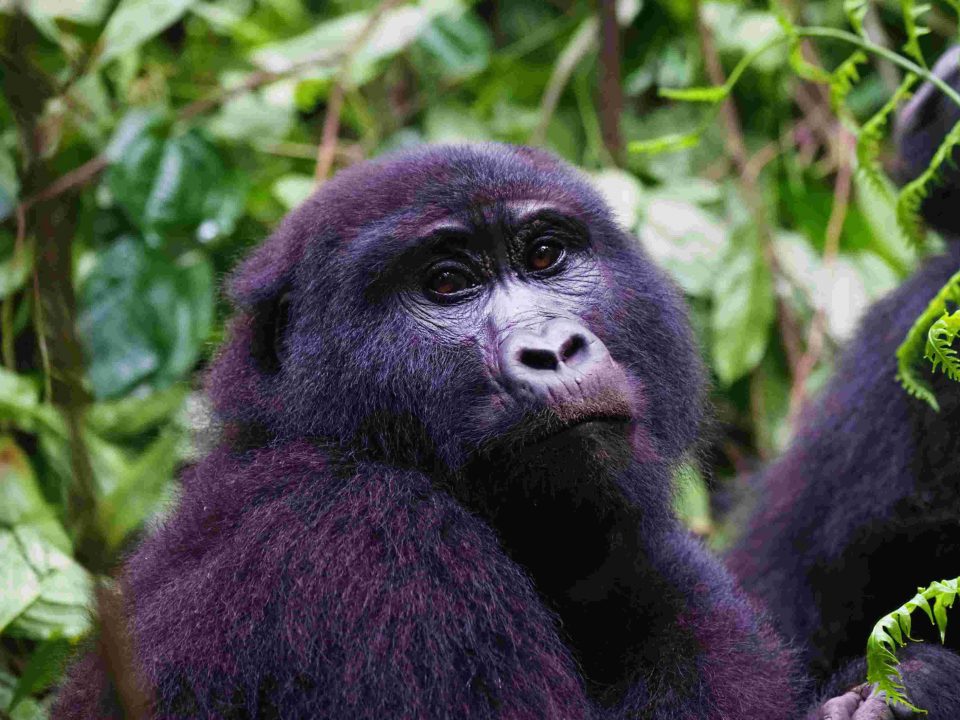
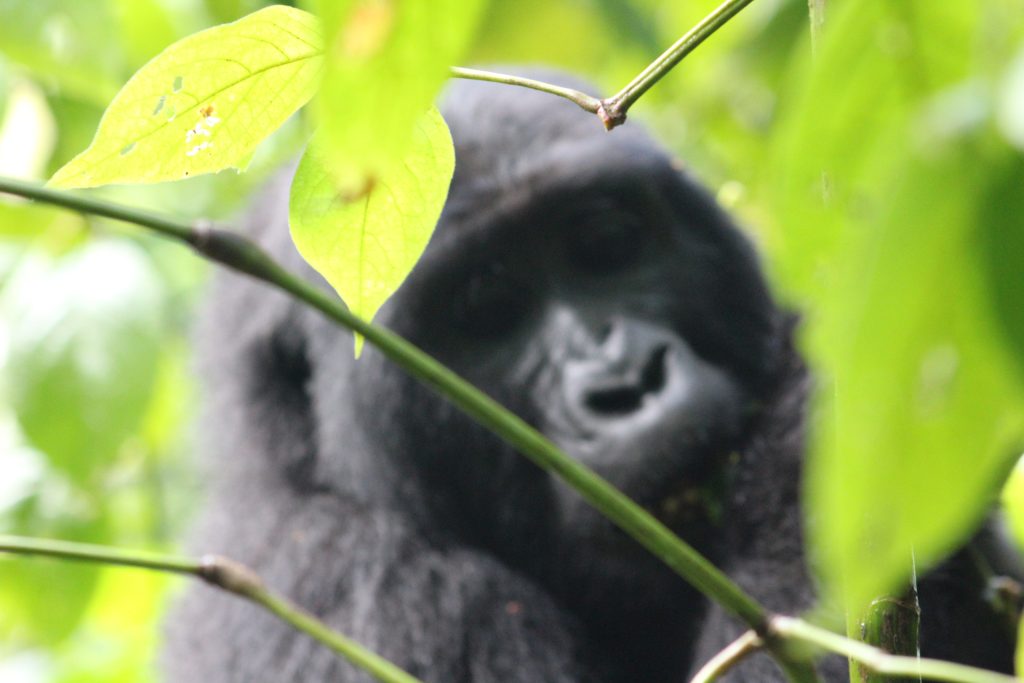
The forest itself is part of the experience. We may walk through steep terrain, dense vegetation, muddy trails, and changing weather conditions before reaching the gorillas. For us, the reward is not simply taking photographs. It is watching a wild gorilla family interact naturally: adults feeding, young gorillas playing, mothers caring for infants and silverbacks monitoring the group.
We should therefore think of gorilla trekking as a forest expedition, rather than a conventional game drive.
Where Can We Go Gorilla Trekking in Uganda?
Uganda has two destinations where we can trek mountain gorillas:
-
Bwindi Impenetrable National Park
Bwindi is Uganda’s best-known gorilla trekking destination.
The park is located in southwestern Uganda and contains extensive ancient rainforest. Gorilla trekking takes place in different sectors of the forest, and the sector we use depends on the gorilla family and permit allocation.
Bwindi is particularly attractive when we want to combine gorilla trekking with a broader Uganda safari because the surrounding region offers opportunities for cultural experiences, nature walks, and other wildlife activities. The terrain can be steep, and trekking conditions vary considerably. A relatively short-looking route on a map can still involve substantial climbing because of the forest’s mountainous landscape.
-
Mgahinga Gorilla National Park
Mgahinga is part of the larger Virunga landscape and lies in Uganda’s far southwest.
The park is smaller than Bwindi but offers a different forest environment, with dramatic volcanic scenery.
For travelers who enjoy mountains and want to combine gorilla trekking with a more compact destination, Mgahinga can be an excellent option.
Why Choose Uganda for Gorilla Trekking?
We usually recommend Uganda when we want to combine the gorilla experience with a broader safari and when overall trip value is important.
Uganda gives us the opportunity to build a trip around gorilla trekking and then continue to destinations such as Queen Elizabeth National Park, Kibale Forest, Murchison Falls, or other parts of the country. Uganda can also offer more flexibility for travelers who want to spend several days exploring rather than making the gorilla trek the only major activity of their trip.
Another important reason is the availability of the gorilla habituation experience in Uganda, subject to current regulations and availability.
How Much Does Gorilla Trekking in Uganda Cost?
The total cost of gorilla trekking in Uganda depends on much more than the gorilla permit.
Our overall safari price can include:
- Gorilla trekking permit
- Accommodation
- Transportation
- Guide and driver
- Meals
- Park-related costs
- Airport or hotel transfers
- Additional activities
- Number of safari days
- Accommodation standard
- Private or shared transportation
- Season and availability
This is why two Uganda gorilla safari packages can have very different prices even when both include a gorilla trek.
For the detailed price breakdown
We have created a dedicated guide covering permits, accommodation, transport, budget safaris, and the total cost of a Uganda gorilla safari: Read our complete Gorilla Trekking Uganda Cost guide.
Uganda Gorilla Trekking Permit
A gorilla trekking permit is required for the standard gorilla trekking experience. The permit gives us access to the regulated gorilla trekking experience and is one of the most important parts of our safari budget. Because permit tariffs and regulations can change, we should confirm the current official price for our travel dates before paying a deposit or publishing a fixed price.
A permit should also not be confused with the total safari cost. The permit is only one component. We still need to consider accommodation, transportation, meals, guiding, and other travel expenses.
Why Should We Book the Gorilla Permit Early?
Gorilla trekking permits are limited because visitor numbers are controlled. This means our preferred date and trekking sector may not always be available if we wait until the last minute.
We therefore recommend deciding on our travel dates early, especially if we are traveling during a popular period or have limited flexibility.
What Does a Gorilla Trekking Permit Include?
The permit relates specifically to the regulated gorilla trekking experience. It should not be interpreted as an all-inclusive safari package.
Our complete trip may still require:
- Transport to and from Bwindi or Mgahinga
- Accommodation
- Meals
- Driver-guide services
- Airport transfers
- Additional park activities
- Personal expenses
- Travel insurance
- Tips
This distinction is important when comparing Uganda gorilla safari prices from different operators.
What Is Gorilla Trekking in Bwindi Like?
A typical gorilla trekking day begins early. We have breakfast, prepare our trekking equipment, and travel to the relevant park briefing point. Before entering the forest, our guides explain the trekking rules and what we should expect.
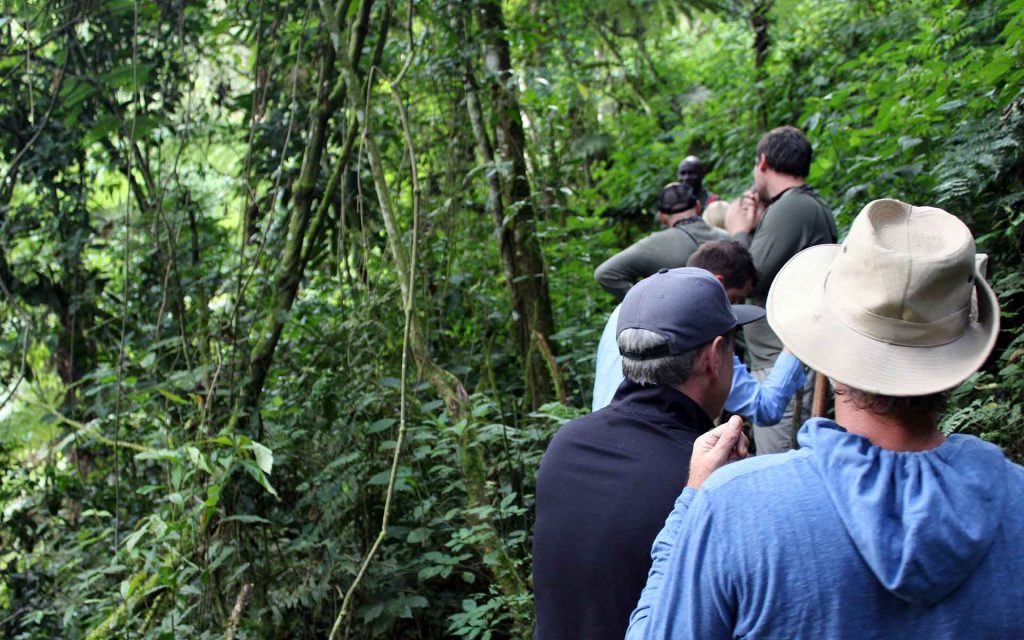
We then begin walking into the forest. The amount of hiking we do depends on where the assigned gorilla family is located. Some treks may be considerably easier than others, while a trek involving steep slopes and thick vegetation can be physically demanding. Our guides and trackers help us follow the correct route and locate the gorilla family.
When we find the gorillas, we follow the instructions of the guides and observe the family without disturbing them. The encounter is often the most memorable part of the entire Uganda safari.
How Difficult Is Gorilla Trekking in Uganda?
One of the biggest mistakes we can make is assuming that every gorilla trek is equally difficult.
It isn’t.
The difficulty can depend on:
- Where the gorilla family is located
- Terrain
- Elevation
- Weather
- Trail conditions
- Vegetation
- Our own fitness level
- How long we spend searching
Bwindi is mountainous, and the forest can be wet and slippery. We should therefore prepare for uneven ground rather than expecting a flat walking trail.
Gorilla Trekking Uganda
Can older travelers go gorilla trekking?
Yes, many travelers of different ages participate in gorilla trekking. However, our age alone does not determine whether the experience will be comfortable.
Fitness, mobility, and medical conditions are more important considerations. If we have concerns about mobility or physical fitness, we should discuss them with our safari operator before booking so the appropriate arrangements can be considered.
What Should We Wear for Gorilla Trekking in Uganda?
We should dress for wet, muddy, and sometimes cold forest conditions.
Recommended clothing includes:
- Long-sleeved shirt
- Long trousers
- Waterproof or water-resistant jacket
- Comfortable hiking boots
- Thick hiking socks
- Gardening or trekking gloves
- Hat
- Lightweight layers
We should avoid clothing that leaves our legs exposed because we will be walking through dense vegetation.
Good footwear is especially important because forest trails can become slippery after rain.
What Should We Pack for Gorilla Trekking?
Our daypack should contain the essentials without becoming unnecessarily heavy.
We recommend taking:
- Water
- Snacks
- Rain jacket
- Camera
- Spare batteries or power bank
- Insect repellent
- Sunscreen
- Small first-aid supplies
- Personal medication
- Waterproof bags for electronics
- Binoculars if we want them
- Walking gloves
A waterproof bag or dry bag can be extremely useful because rain can arrive quickly in a rainforest environment.
What Happens During a Gorilla Trek?
Our trek generally follows several stages.
- Morning briefing
We receive instructions about the gorilla experience, safety, and responsible behavior.
- Entering the forest
We begin walking with our guide and trackers.
- Tracking the gorillas
Trackers use signs and information about the gorilla family’s movements to help locate them.
- Finding the gorilla family
Once the group is located, we approach according to the instructions of the guides.
- Gorilla encounter
We spend the permitted time observing the family.
- Returning from the forest
After the encounter, we walk back out of the forest and return to our accommodation or continue with our safari itinerary.
What Will We See During Gorilla Trekking?
The mountain gorillas are obviously the main attraction, but the forest experience can include much more.
Depending on our location and conditions, we may see or hear:
- Forest birds
- Monkeys
- Butterflies
- Other insects
- Forest plants
- Signs of other wildlife
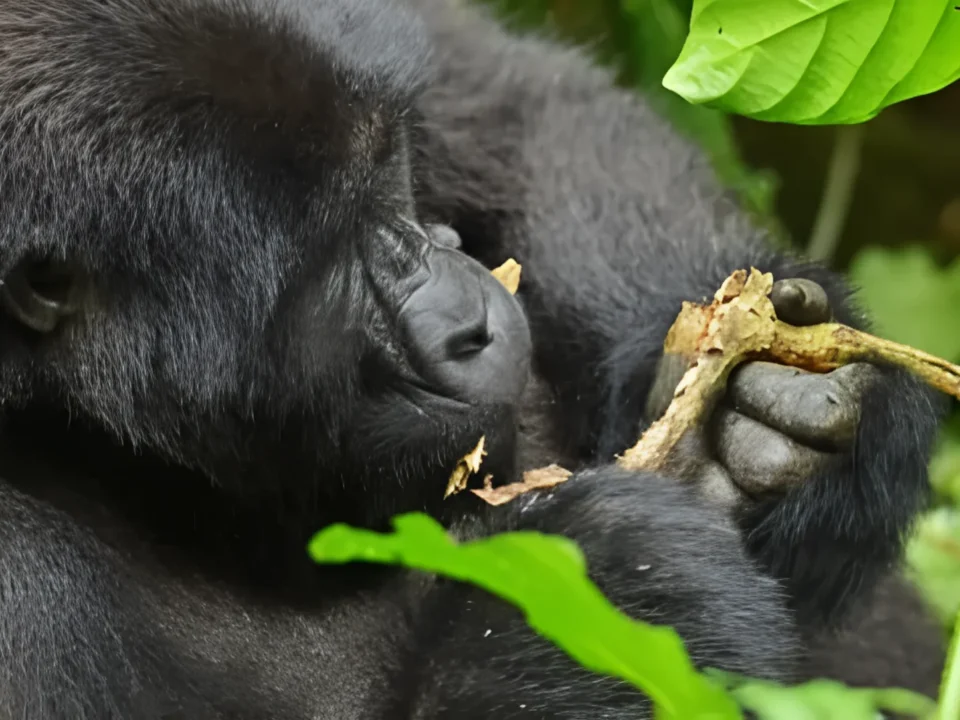
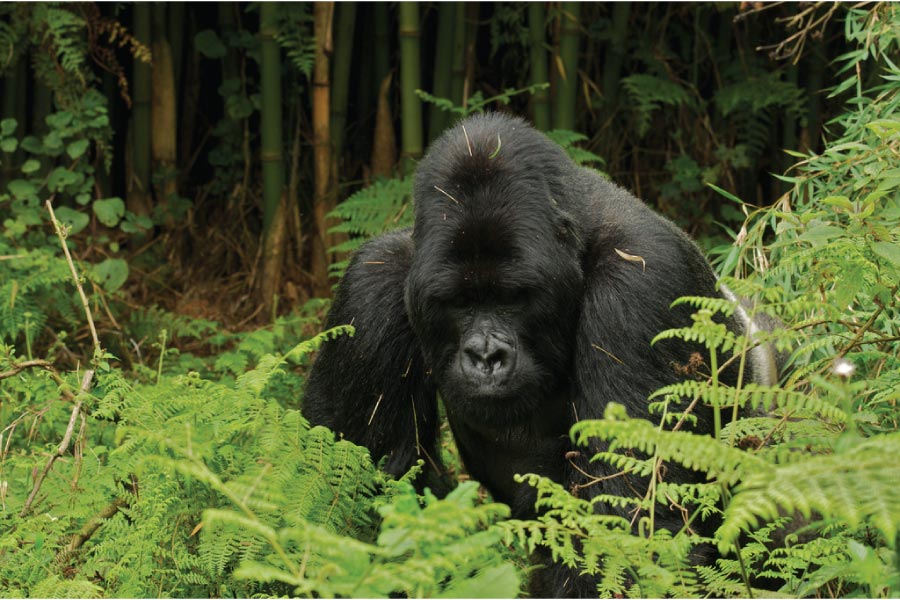
The gorilla family itself can be fascinating to watch. We may see a silverback protecting the group, females feeding, juveniles playing, and infants staying close to their mothers.
These behaviors are part of what makes gorilla trekking different from observing wildlife in a vehicle.
Gorilla Trekking Rules and Responsible Tourism
Gorilla trekking is carefully regulated because mountain gorillas are vulnerable wildlife and human contact creates potential risks. We should always follow the instructions of our guides, trackers, and park authorities.
Responsible trekking means:
- Keeping the required distance
- Avoiding sudden movements
- Never feeding gorillas
- Never touching gorillas
- Following photography instructions
- Keeping voices low
- Not littering
- Following health-related instructions
- Not entering restricted areas
The objective is to observe the gorillas without changing their natural behavior.
Best Time for Gorilla Trekking in Uganda
Gorilla trekking is possible throughout much of the year, but weather can influence our experience. Uganda’s forests can receive rain at any time, and conditions can change quickly.
Many travelers prefer periods that are generally drier because trails may be easier to navigate. However, we should not assume that a dry-season trek will be completely dry or that a rainy-season trek will necessarily be unpleasant. Rainforest weather is unpredictable.
For us, the best time depends on the balance between:
- Weather
- Budget
- Accommodation availability
- Gorilla permit availability
- Overall Uganda safari plans
If our schedule is flexible, we can choose our dates based on the wider safari rather than focusing only on the gorilla trek.
Gorilla Trekking Uganda vs Rwanda
One of the most common questions we hear is whether we should trek gorillas in Uganda or Rwanda. Both countries offer extraordinary mountain gorilla experiences.
The biggest differences involve:
- Permit pricing
- Location
- Accessibility
- Accommodation
- Trekking terrain
- Overall safari itinerary
- Budget
- Additional attractions
Rwanda’s Volcanoes National Park is relatively accessible from Kigali, while Uganda’s Bwindi experience often involves a longer overland journey depending on where our safari begins.
Uganda can be particularly attractive when we want a broader safari and more destinations within the same trip. Rwanda can be attractive when we prioritize convenience and a shorter itinerary centered around the gorilla experience.
Which is better?
There is no single answer. If our priority is overall Uganda safari value and combining gorilla trekking with more wildlife destinations, Uganda can be an excellent choice.
If our priority is a shorter trip and easier access from Kigali, Rwanda may be more convenient. We explain the differences in greater detail in our comparison guide:
Uganda vs Rwanda Gorilla Trekking: Cost, Permits, Experience & Which Is Better.
Gorilla Trekking Uganda and Gorilla Habituation
Uganda also offers a specialized gorilla habituation experience for travelers who want a different type of encounter. Habituation involves spending more time with a gorilla group that is undergoing the process of becoming accustomed to human presence, under the supervision of researchers, trackers, and guides.
This is different from standard gorilla trekking. The experience is particularly attractive to photographers, wildlife enthusiasts, and visitors who want to learn more about gorilla behavior.
We have a separate guide explaining the experience: Read our Gorilla Habituation Experience in Uganda guide.
Because habituation rules, availability, and permitted observation periods can change, we should confirm the current conditions before booking.
Can We Combine Gorilla Trekking With a Uganda Safari?
Absolutely, this is one of the biggest advantages of choosing Uganda. Rather than flying in for gorilla trekking alone, we can build a longer itinerary around the experience.
Depending on our interests, we can combine gorilla trekking with:
- Chimpanzee trekking
- Queen Elizabeth National Park
- Kazinga Channel
- Murchison Falls
- Kibale Forest
- Wildlife viewing
- Cultural experiences
- Nature walks
- Other primate experiences
A longer itinerary allows us to experience Uganda beyond the gorilla forest.
How Many Days Do We Need for Gorilla Trekking Uganda?
The number of days depends on where we are starting from and what else we want to see. A short trip can focus primarily on Bwindi and the gorilla trek. A longer safari allows us to combine the gorillas with other national parks and wildlife experiences.
For international travelers, we generally recommend considering the time required for:
- Arrival in Uganda
- Transfer toward southwestern Uganda
- Gorilla trekking
- Additional safari activities
- Return to Entebbe or onward travel
The gorilla trek itself is only one part of the journey. The transfer to and from Bwindi can represent a significant portion of our itinerary, so we should allow enough time rather than trying to squeeze the experience into an unnecessarily rushed schedule.
Is Gorilla Trekking in Uganda Safe?
Gorilla trekking is a regulated wildlife activity conducted with trained guides and trackers. However, we are still entering a natural forest environment and observing wild animals. We should follow all instructions from our guides and park authorities.
Safety also means preparing appropriately for:
- Uneven terrain
- Slippery trails
- Rain
- Insects
- Physical exertion
- Changing weather
The safest approach is to listen to the people leading the trek rather than treating the experience like an ordinary hike.
How Much Fitness Do We Need?
We do not need to be professional hikers, but we should be reasonably prepared for walking on uneven and sometimes steep terrain.
Before traveling, we can improve our preparation by:
- Walking regularly
- Hiking if possible
- Practicing on hills or stairs
- Wearing our hiking boots before the trip
- Improving general endurance
If we have a medical condition or mobility limitation, we should discuss it with our safari operator in advance.
Gorilla Trekking for Photographers
Gorilla trekking can produce extraordinary wildlife photographs, but the forest environment presents challenges. Light can be low under the canopy, and gorillas may move through dense vegetation.
We should therefore prioritize:
- A lightweight camera setup
- Extra batteries
- Waterproof protection
- A comfortable camera bag
- Fast lenses where possible
- Respect for the trekking rules
We should never allow photography to interfere with the animals’ space or the instructions of the guides. The goal is to bring home photographs without turning the encounter into a disturbance for the gorillas.
How Can We Reduce the Cost of Gorilla Trekking Uganda?
The largest parts of our budget are usually associated with permits, accommodation, transportation, and the number of days in the safari.
We can manage costs by:
- Choosing accommodation carefully
We do not always need the most expensive lodge to have an excellent gorilla experience.
- Planning transportation efficiently
Combining destinations into one route can reduce unnecessary driving.
- Traveling with a suitable group
Depending on our preferences, sharing some safari costs can reduce the overall price.
- Comparing complete packages
Instead of comparing only the advertised headline price, we should check exactly what each operator includes.
- Booking early
Early planning can make it easier to secure the preferred permit date and accommodation combination.
For a complete financial breakdown, see: Gorilla Trekking Uganda Cost: Permits, Safari Prices & What We Pay.
What Should We Ask Before Booking a Uganda Gorilla Safari?
Before paying a deposit, we recommend asking:
- Is the gorilla permit included?
- Which Bwindi sector will we trek?
- What accommodation is included?
- How many nights are included?
- Is airport transfer included?
- Is transportation private or shared?
- Are meals included?
- Are park fees included?
- What happens if our preferred permit date is unavailable?
- What is the cancellation policy?
- What is excluded from the price?
- Are we booking standard trekking or habituation?
- What happens if weather or park conditions affect the itinerary?
A transparent quotation should make these details clear.
Frequently Asked Questions About Gorilla Trekking Uganda
How much does gorilla trekking cost in Uganda?
The total cost depends on the gorilla permit, accommodation, transportation, number of safari days, and other inclusions.
For the detailed breakdown of Uganda gorilla trekking prices, see our Gorilla Trekking Uganda Cost guide.
How much is a Uganda gorilla trekking permit?
The applicable permit price depends on the current Uganda Wildlife Authority tariff and visitor category. Because official rates can change, we recommend confirming the current tariff for our travel dates before booking.
Where is the best place for gorilla trekking in Uganda?
Bwindi Impenetrable National Park is Uganda’s principal gorilla trekking destination, while Mgahinga Gorilla National Park provides another option in southwestern Uganda.
Is gorilla trekking in Uganda difficult?
It can be physically demanding because terrain, vegetation, weather, and the location of the gorilla family vary. We should prepare for uneven and sometimes steep forest trails.
What is the best time for gorilla trekking in Uganda?
Gorilla trekking is available throughout the year, but many travelers prefer periods that are generally drier. Rain can still occur because Bwindi and Mgahinga are rainforest environments.
What should we wear for gorilla trekking?
We recommend long trousers, a long-sleeved shirt, sturdy hiking boots, socks, a rain jacket, and comfortable layers. Gloves can also be useful when moving through vegetation.
Is gorilla trekking in Uganda safe?
Gorilla trekking is a regulated activity conducted with trained guides and trackers. We should follow their instructions throughout the trek and prepare for the physical conditions of the forest.
Uganda or Rwanda: which is better for gorilla trekking?
Both are excellent destinations. Uganda can be particularly attractive for travelers who want a broader safari and value-focused itinerary, while Rwanda can be convenient for travelers prioritizing easier access from Kigali.
Can we do gorilla habituation in Uganda?
Uganda offers gorilla habituation experiences under specific conditions. Availability, rules, and observation arrangements should be confirmed for our travel dates.
Can we combine gorilla trekking with a Uganda safari?
Yes. Gorilla trekking can be combined with Uganda’s other wildlife and primate destinations, creating a much broader safari experience.
Gorilla Trekking Uganda
Our Advice for Planning Gorilla Trekking Uganda
If gorilla trekking is the main reason we are visiting Uganda, we recommend starting with the gorilla permit and travel dates. Once those are established, we can build the rest of the safari around them.
Our planning process should look something like this:
Choose our dates → secure the gorilla permit → select accommodation → plan transport → add other safari destinations → prepare for the trek.
We should also allow enough time for the journey to southwestern Uganda. Trying to rush the trip can take away from the experience. Most importantly, we should choose a safari plan that matches our fitness, budget, and interests rather than simply choosing the cheapest advertised package.
Plan Our Uganda Gorilla Trekking Safari
Gorilla trekking in Uganda gives us the rare opportunity to walk through one of Africa’s great forests and spend time observing mountain gorillas in their natural environment. Whether we choose Bwindi or Mgahinga, standard trekking or a specialized habituation experience, the quality of the trip depends heavily on good planning.
We can help you build the itinerary around your preferred travel dates, budget, and interests. Ready to plan your gorilla safari? Contact us for a Uganda gorilla trekking itinerary and quotation.