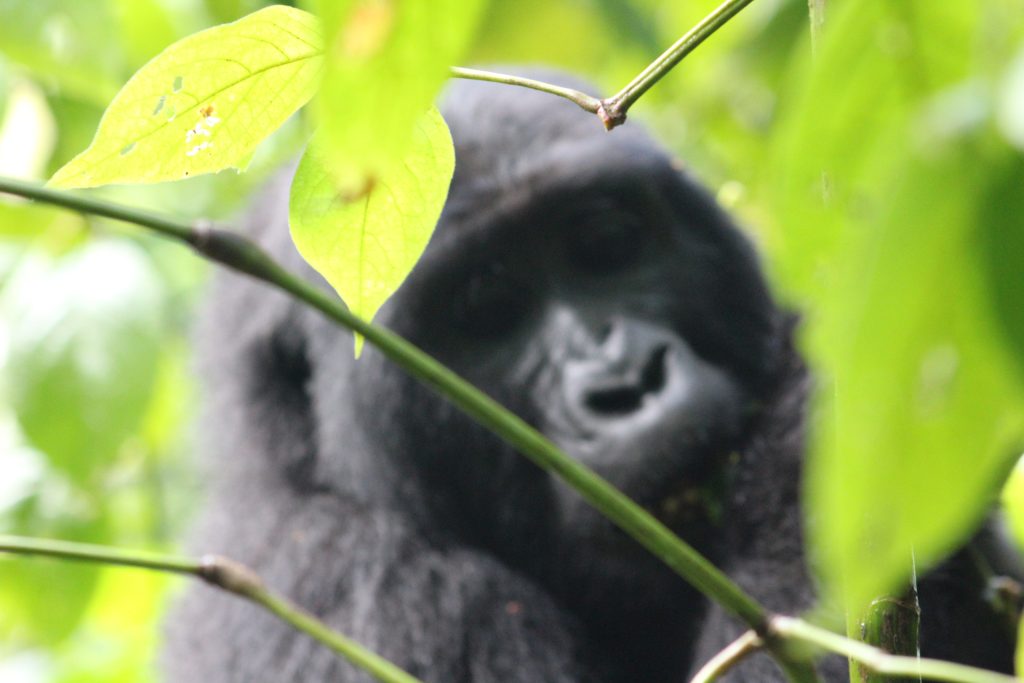
Gorilla Habituation Experience in Uganda: Cost, What to Expect, Trekking vs Habituation
If you are planning a gorilla safari in Uganda, you may have already discovered that there is a choice between the standard gorilla trekking experience and the Gorilla Habituation Experience.
We often find that travelers understand gorilla trekking but are less certain about habituation. How is it different? Where does it take place? How much does it cost? How long do we spend with the gorillas? And, most importantly, is the extra cost worth it?
In this guide, we explain what we need to know before choosing a Gorilla Habituation Experience in Uganda, including the location, permit, experience, cost considerations, trekking comparison, preparation, and booking process.
What Is the Gorilla Habituation Experience in Uganda?
The Gorilla Habituation Experience is a special gorilla encounter in Uganda that allows us to spend substantially longer observing a gorilla group than we would during standard gorilla trekking.
Instead of simply visiting a fully habituated gorilla family for the standard viewing experience, we join a guided conservation experience involving a gorilla group undergoing habituation to human presence.
The experience gives us more time to observe natural behaviour and learn how researchers, trackers and guides work with gorillas in their forest environment.
For travelers who want more than a brief wildlife encounter, this can be one of the most immersive primate experiences we can add to a Uganda safari.
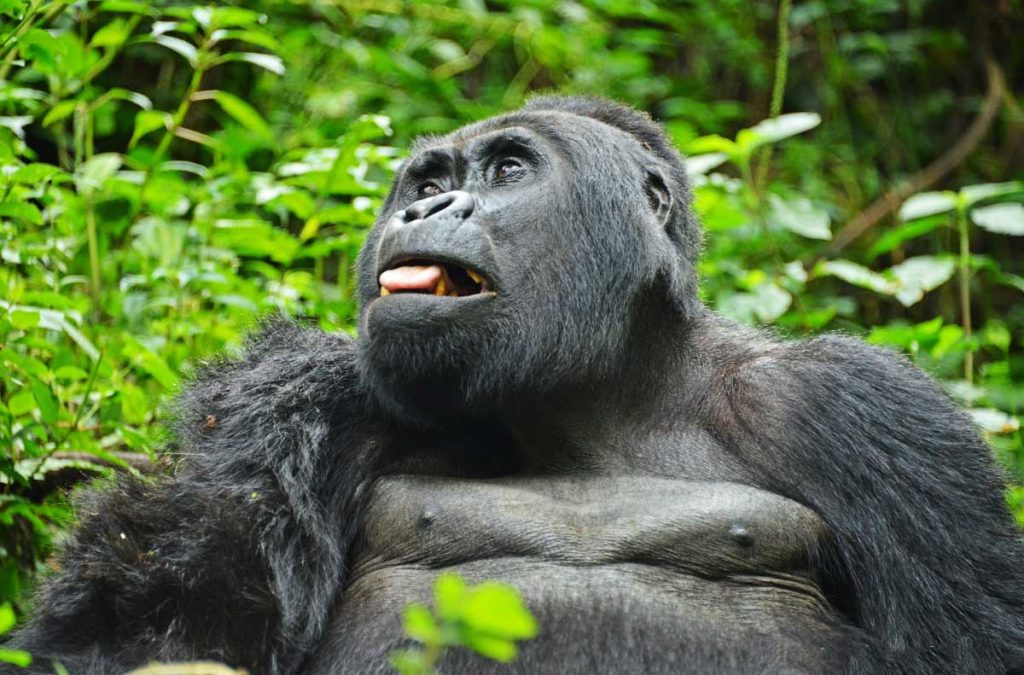
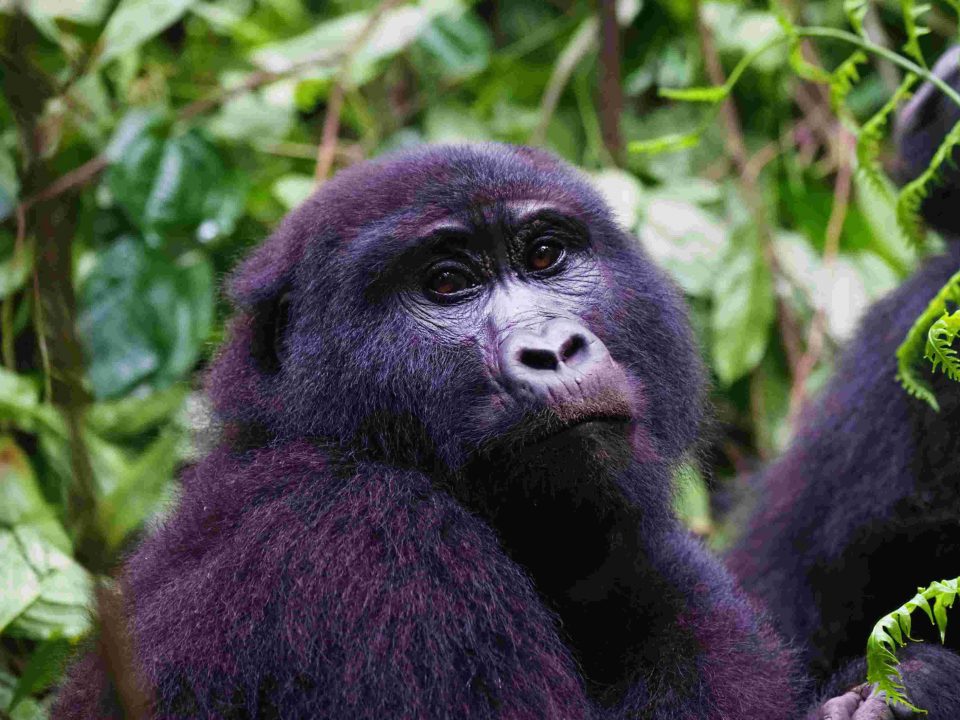
Gorilla Habituation Experience Uganda
Where Can We Do Gorilla Habituation in Uganda?
Gorilla habituation takes place in Bwindi Impenetrable National Park in southwestern Uganda.
The experience is particularly associated with the Rushaga sector of Bwindi, where habituation activities have been conducted.
Bwindi is also one of Uganda’s principal destinations for standard mountain gorilla trekking.
This means we can combine a Gorilla Habituation Experience with other Uganda safari activities, depending on the amount of time available to us.
[Link to Bwindi Impenetrable National Park]
Gorilla Trekking vs Gorilla Habituation Experience
The easiest way for us to understand the difference is to compare the two experiences.
| Gorilla Trekking | Gorilla Habituation | |
| Main purpose | Observe a habituated gorilla family | Experience a group undergoing habituation |
| Experience length | Standard regulated gorilla visit | Longer observation experience |
| Gorilla group | Habituated family | Group undergoing habituation |
| Main appeal | Classic gorilla encounter | Deeper behavioural and conservation experience |
| Best suited to | First-time gorilla trekkers | Wildlife enthusiasts, photographers and travelers wanting more time |
| Cost | Lower permit category | Higher permit category |
| Location in Uganda | Bwindi and Mgahinga for standard trekking | Bwindi, particularly the Rushaga area |
The important point is that we should not think of habituation simply as a more expensive version of trekking.
They are different experiences.
Standard trekking is designed around visiting a habituated gorilla family.
Habituation gives us the opportunity to spend more time observing a group while learning about the habituation process.
How Long Does Gorilla Habituation Take?
The time we spend in the forest can vary because gorillas are wild animals and their location cannot be guaranteed.
We may need to walk through the forest while trackers search for the gorilla group.
Once the group is located, the permitted observation period is substantially longer than the standard gorilla trekking encounter.
The experience is therefore best understood as a forest expedition rather than a fixed-duration walk.
We should allow enough time in our itinerary so that we are not rushing back for another activity immediately after the experience.
How Many Hours Do We Spend With the Gorillas?
The Gorilla Habituation Experience is associated with an observation period of up to four hours, subject to the applicable conservation regulations and ranger instructions.
That is one of its biggest attractions.
With more time available, we have a better opportunity to observe behaviours that may be difficult to appreciate during a shorter gorilla encounter.
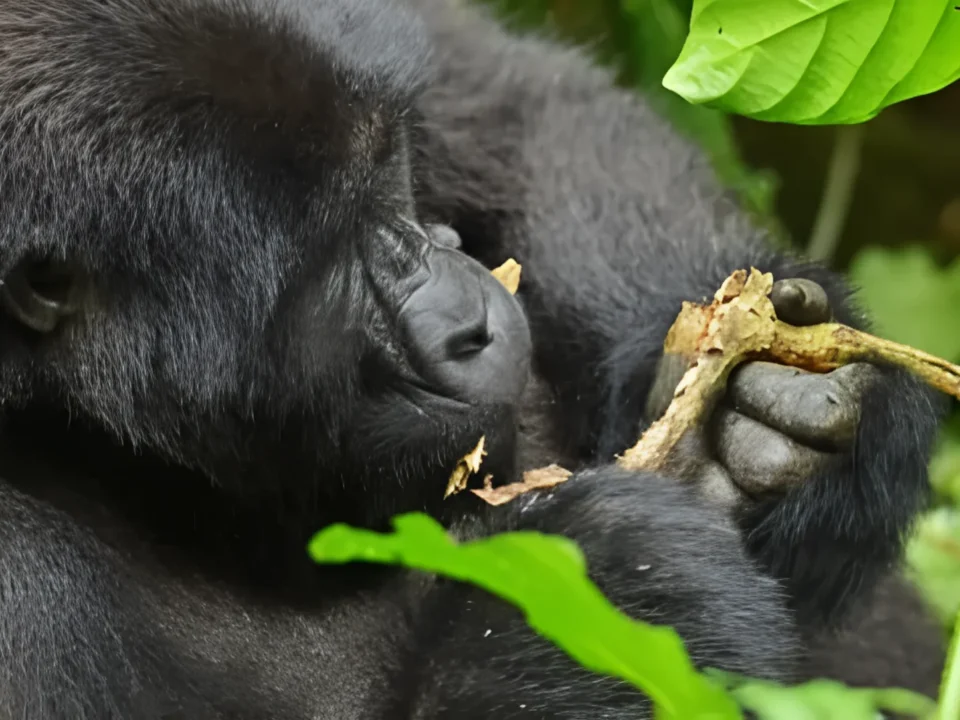
We may see feeding, movement, resting, grooming, interactions between individuals and other natural behaviours.
However, we should remember that wildlife does not follow a script.
We cannot guarantee that a particular behaviour will occur during our visit.
How Much Does Gorilla Habituation Cost in Uganda?
The Gorilla Habituation Experience costs more than standard gorilla trekking because it provides a longer and more specialized experience.
Our current site information lists a $1,500 permit for foreign non-residents, but permit tariffs can change.
For that reason, we recommend confirming the current Uganda Wildlife Authority tariff for our intended travel dates before making a final booking.
The permit is also not the total cost of our safari.
We should budget separately for:
- Gorilla habituation permit
- Accommodation
- Transportation
- Meals
- Guide and safari services
- Airport transfers where required
- Additional Uganda safari activities
- Travel insurance
- Personal expenses
This is why we recommend comparing the complete safari cost rather than comparing the habituation permit with a standard trekking permit alone.
Is Gorilla Habituation Worth the Extra Cost?
For some travelers, absolutely.
We would particularly consider habituation if we:
- Have a strong interest in primate behaviour
- Want substantially more observation time
- Enjoy wildlife photography
- Want a deeper forest experience
- Are interested in conservation
- Have enough time in Uganda for a slower-paced safari
- Prefer an exclusive and less conventional wildlife experience
Standard trekking may be the better choice if our main goal is simply to experience mountain gorillas for the first time while keeping the overall safari budget lower.
The right choice depends on what we want from our trip.
What Do We Actually Do During Gorilla Habituation?
Our experience begins before we reach the gorilla group.
We normally meet the ranger and tracking team and receive instructions before entering the forest.
We then follow the trackers into Bwindi.
The walk itself is part of the experience.
The gorillas may have moved since the previous day, so we cannot expect the group to be waiting at a particular location.
Once the group is located, we settle into the forest environment and begin observing.
We may spend time watching how the gorillas move, feed, interact and communicate.
The trackers and guides help us understand what we are seeing while ensuring that we follow the applicable wildlife regulations.
This makes habituation different from simply arriving at a viewpoint and watching wildlife.
We are entering the forest as part of a carefully regulated conservation tourism experience.
Can We Take Photographs During Gorilla Habituation?
Photography is one of the reasons many travelers consider habituation.
The additional observation time can give us more opportunities to photograph gorilla behaviour rather than relying on a very short encounter.
However, we should always follow the current photography rules and the instructions of our ranger and guide.
We should avoid flash photography and sudden movements and keep the required distance.
A longer experience does not mean that we can approach the gorillas more closely.
The welfare of the gorillas remains the priority.
What Is the Difference Between Habituated and Non-Habituated Gorillas?
A habituated gorilla group has become accustomed to the controlled presence of humans.
This does not make the gorillas tame.
They remain wild animals.
A group undergoing habituation is still becoming accustomed to human observers.
This process is carefully managed by conservation professionals.
That distinction explains why the habituation experience can feel different from ordinary gorilla trekking.
We are not simply visiting a group that is already completely accustomed to tourists.
We are observing part of a longer conservation process.
Is Gorilla Habituation Safe?
Gorilla habituation is a regulated wildlife experience, but we are still entering a natural forest environment with wild animals.
We therefore need to take the ranger’s instructions seriously.
We should:
- Follow the guide and ranger at all times
- Maintain the required viewing distance
- Never attempt to touch a gorilla
- Avoid sudden movements
- Keep our voices low
- Never feed the gorillas
- Follow current photography rules
- Avoid participating when we are ill if park regulations require it
The exact rules can change, so we should always follow the current instructions given by the responsible park authority and ranger team.
Who Should Choose Gorilla Habituation?
We think the experience is particularly suitable for travelers who do not want their gorilla encounter to feel rushed.
It can be an excellent choice for:
Wildlife enthusiasts
We have more time to observe behaviour and understand the social dynamics of the group.
Photographers
The additional observation period can create more opportunities to wait for interesting behaviour and compositions.
Primate enthusiasts
If gorillas are one of the main reasons we are traveling to Uganda, the deeper experience may justify the additional investment.
Conservation-minded travelers
We can learn more about the process of habituating gorillas and the work involved in protecting them.
Who Should Choose Standard Gorilla Trekking Instead?
We may prefer standard trekking if:
- This is our first gorilla experience
- We have a limited safari itinerary
- Our budget is more restricted
- We want a shorter gorilla activity
- We are combining gorillas with several other Uganda destinations
There is no wrong choice.
The best experience is the one that matches our interests, time and budget.
What Should We Pack for Gorilla Habituation?
Because we can spend substantial time in Bwindi’s forest environment, preparation matters.
We recommend:
- Waterproof hiking boots
- Long trousers
- Long-sleeved clothing
- Rain protection
- Gardening or hiking gloves
- Insect repellent
- Sunscreen
- Reusable water bottle
- Small daypack
- Camera and spare batteries
- Personal medication
- Waterproof protection for electronics
We should also prepare for mud, rain, steep sections, and changing forest conditions.
[Link to our Gorilla Trekking Packing Guide]
When Is the Best Time for Gorilla Habituation in Uganda?
Gorilla habituation can be experienced throughout the year, subject to permit availability and the applicable park arrangements.
The drier periods can provide more manageable trail conditions, but Bwindi is a tropical rainforest, and rain can occur at any time.
We therefore recommend choosing our dates according to the complete Uganda safari rather than expecting a particular month to guarantee dry weather.
For travelers who want to combine gorilla habituation with a wider wildlife safari, we can plan the itinerary around the other destinations as well.
[Link to our Best Time for Gorilla Trekking guide]
How Far in Advance Should We Book Gorilla Habituation?
Because habituation permits are limited, we recommend planning well ahead.
We should first confirm:
- Our preferred travel dates
- Permit availability
- Accommodation
- Transportation
- The rest of our Uganda safari itinerary
The earlier we plan, the more flexibility we have when choosing accommodation and arranging transportation around the habituation experience.
Can We Combine Gorilla Habituation With a Uganda Safari?
Yes.
One of the advantages of planning habituation as part of a wider Uganda safari is that we do not have to make the entire trip about gorillas.
Depending on our available time, we can combine Bwindi with experiences such as:
- Chimpanzee tracking
- Queen Elizabeth National Park
- Murchison Falls National Park
- Cultural experiences
- Birding
- Nature walks
- Other Uganda wildlife safaris
This allows us to build an itinerary around what interests us most.
[Link to Uganda Safaris]
Gorilla Habituation Experience FAQs
What is gorilla habituation in Uganda?
Gorilla habituation is a regulated wildlife experience in which visitors can observe a gorilla group undergoing habituation to human presence, with a substantially longer observation period than standard gorilla trekking.
Where is gorilla habituation done in Uganda?
The Gorilla Habituation Experience is conducted in Bwindi Impenetrable National Park, particularly around the Rushaga sector.
How long do we spend with gorillas during habituation?
The permitted observation period can be up to four hours, subject to current conservation regulations and ranger instructions.
Is gorilla habituation better than trekking?
Neither is automatically better. We choose habituation when we value longer observation and a deeper conservation-oriented experience. Standard trekking may be better for travelers who want the classic gorilla encounter at a lower permit cost.
How much is a gorilla habituation permit?
Our current site information lists the foreign non-resident habituation permit at $1,500, but we recommend confirming the current official tariff before booking because permit prices and categories can change.
Is gorilla habituation worth it?
For travelers who are especially interested in gorilla behaviour, photography, primates or conservation, the additional observation time can make the experience worth the higher cost.
Can we photograph gorillas during habituation?
Photography is generally an important part of the experience, but we must follow the current park rules, maintain the required distance, and obey the instructions of our ranger and guide.
Are habituated gorillas tame?
No. Habituation means that gorillas have become accustomed to controlled human presence. They remain wild animals and must always be treated with respect.
Is gorilla habituation available in Rwanda?
The Gorilla Habituation Experience described in this guide is a Uganda experience associated with Bwindi. Travelers considering Rwanda should compare the standard gorilla trekking experience available there separately.

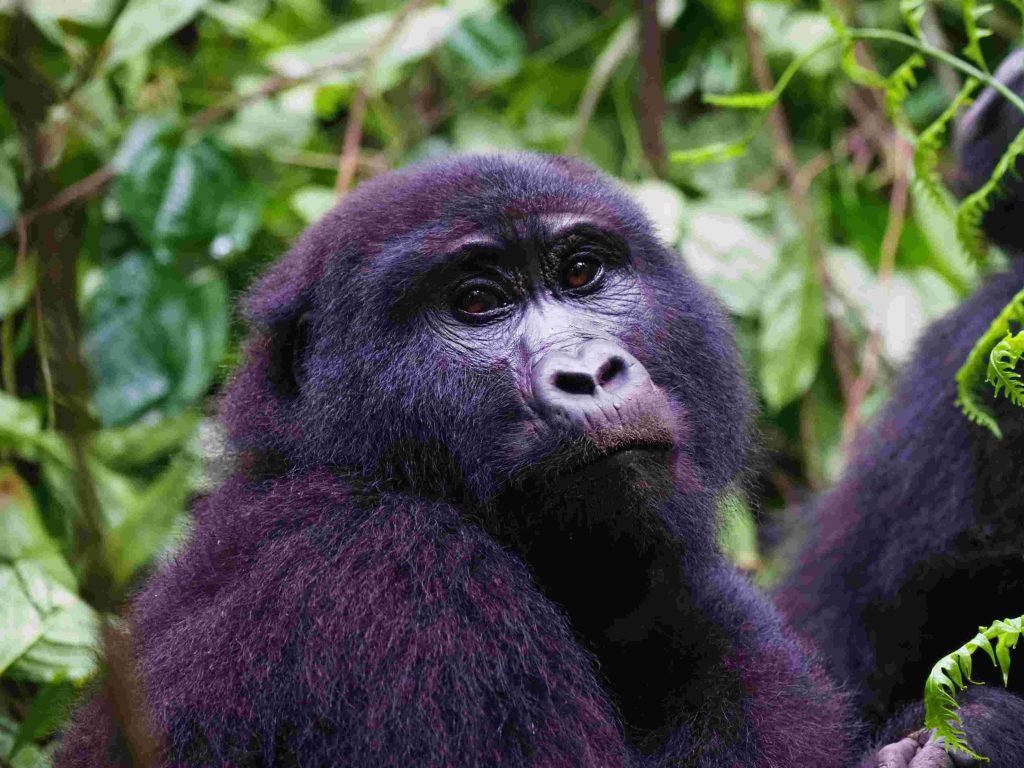
Gorilla Habituation Experience Uganda
Gorilla Habituation or Gorilla Trekking: Which Should We Choose?
If we want the classic mountain gorilla encounter, standard trekking can be an excellent choice.
If we want more time in the forest, deeper observation and a closer understanding of gorilla behaviour and conservation, we should consider the Gorilla Habituation Experience.
For us, the biggest question is not simply:
“Which one costs more?”
It is:
“How much time and depth do we want from our gorilla experience?”
If gorillas are one of the main reasons we are visiting Uganda, habituation can turn the experience into a much more immersive part of the safari.
Plan Our Gorilla Habituation Experience in Uganda
We can help organize the practical elements around a Gorilla Habituation Experience, including permits, accommodation, transportation, and the wider Uganda safari.
Because permit availability and official prices can change, we recommend confirming the current details for our travel dates before making a final decision.
View Our 4 Days Gorilla Habituation in Uganda Bwindi Forest Safari