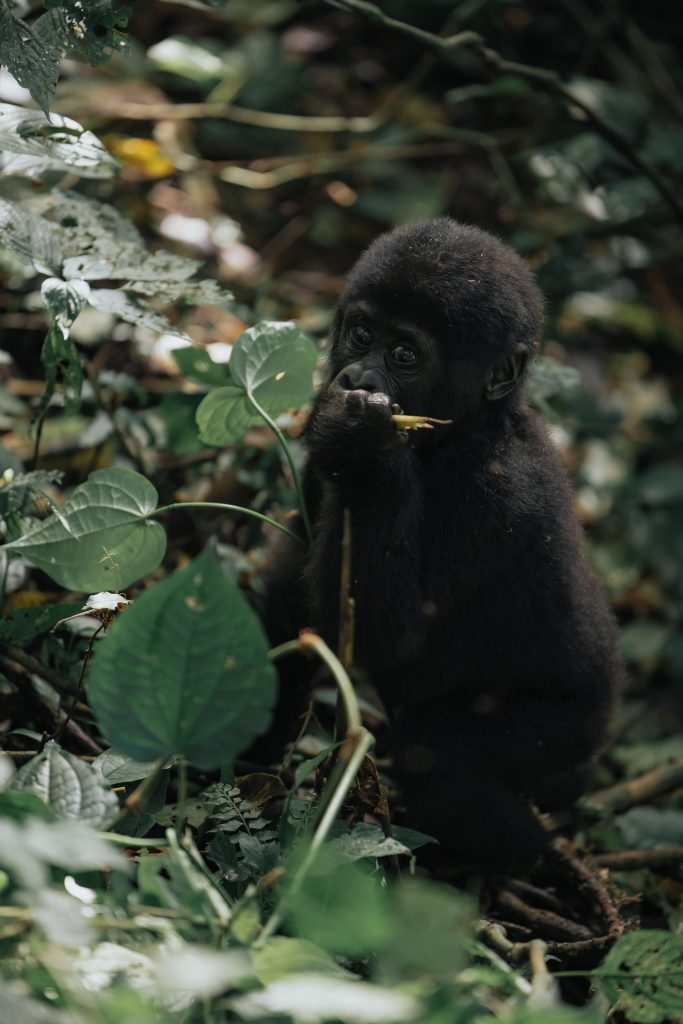
Gorilla Trekking from Kenya: Complete 2026 Guide
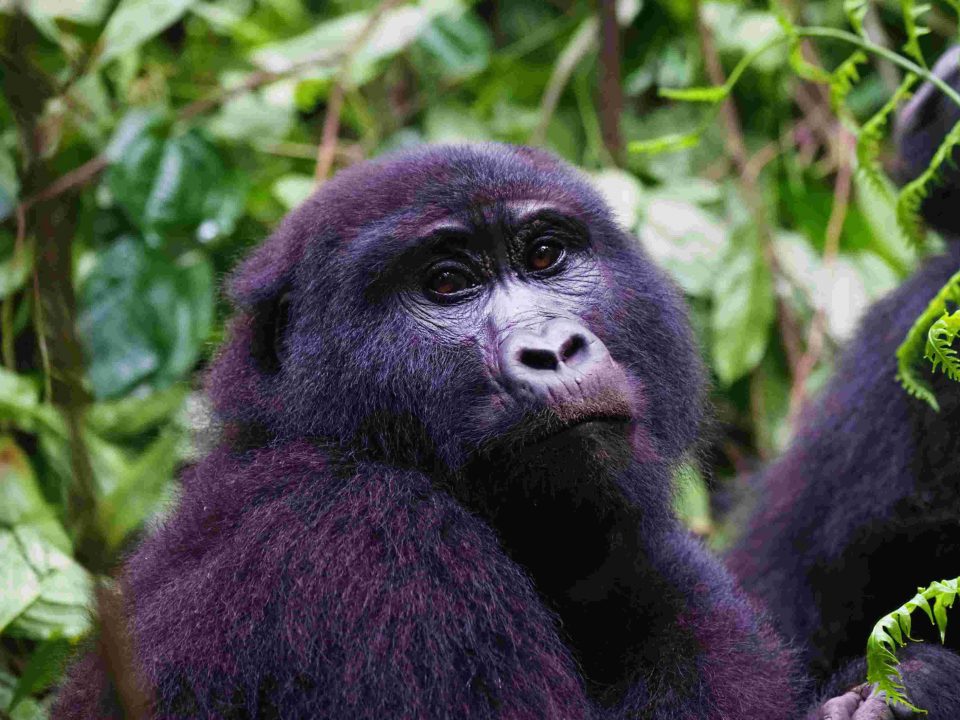
Many travelers searching for gorilla Kenya are surprised to learn that there are no wild mountain gorillas in Kenya. However, Kenya is the most popular gateway for gorilla trekking in Uganda and Rwanda. Combine Kenya’s world-famous safari parks with an unforgettable mountain gorilla trekking adventure in East Africa.
Are There Gorillas in Kenya?
One of the most frequently asked questions by travelers planning an African safari is: Are there gorillas in Kenya?
The simple answer is no. Kenya does not have wild mountain gorillas or silverback gorillas living in its national parks and reserves. While Kenya is famous for the Big Five, the Great Migration, and some of Africa’s finest safari experiences, mountain gorillas are only found in a small region of East and Central Africa.
Today, wild mountain gorillas live in three countries:
- Uganda (Bwindi Impenetrable National Park and Mgahinga Gorilla National Park)
- Rwanda (Volcanoes National Park)
- Democratic Republic of Congo (Virunga National Park)
Fortunately, Kenya serves as the perfect gateway to these gorilla habitats. With direct flights from Nairobi to Entebbe and Kigali, travelers can easily combine a traditional Kenya safari with a life-changing gorilla trekking experience in Uganda or Rwanda.
For many visitors, this combination creates the ultimate East African adventure, bringing together the vast savannahs of Kenya and the mist-covered mountain forests that shelter the world’s remaining mountain gorillas.
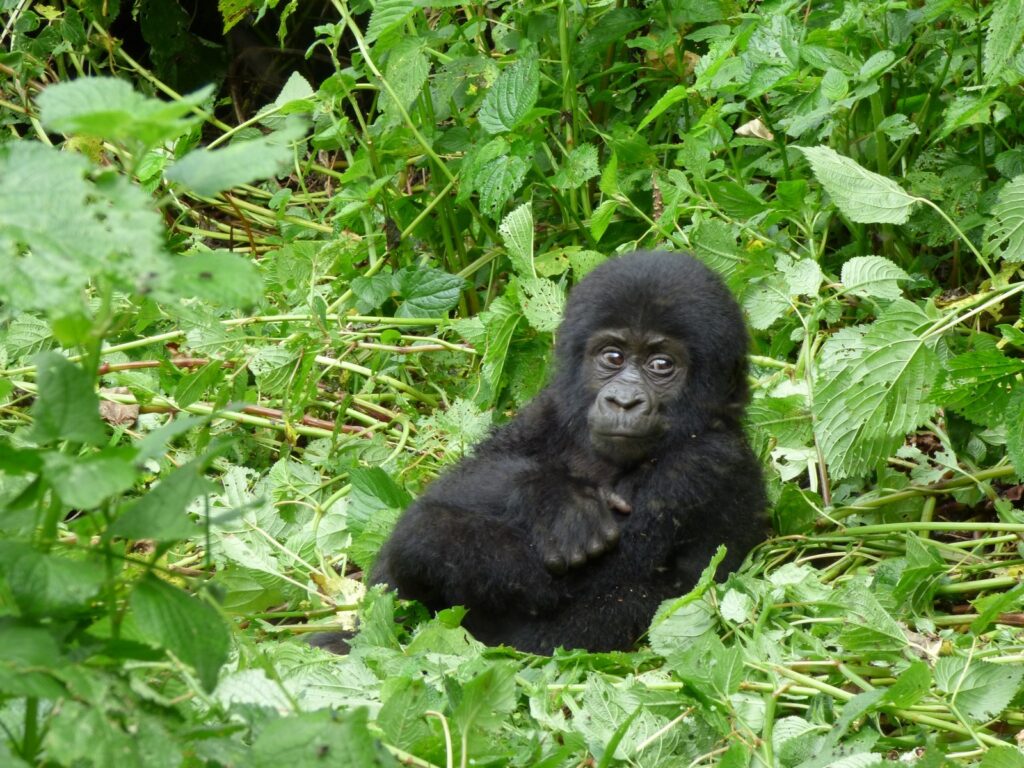
Uganda gorilla trekking from Nairobi Kenya
Why Gorilla Trekking from Kenya Is So Popular
Kenya is East Africa’s largest travel hub. Every year, thousands of visitors arrive in Nairobi before exploring the region’s most iconic wildlife destinations.
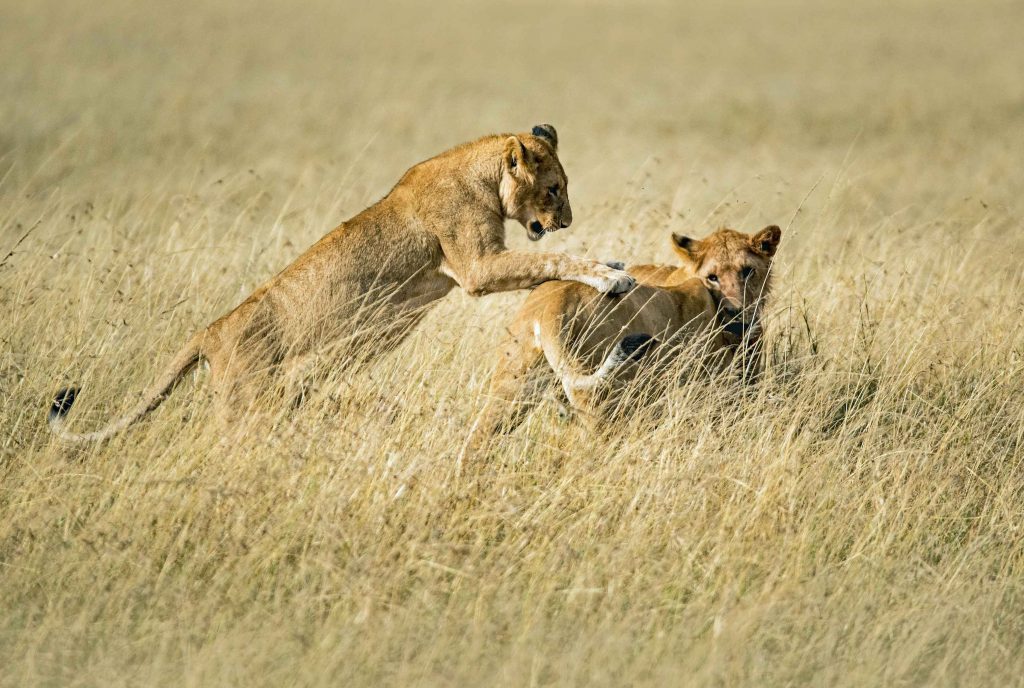
Combining Kenya with gorilla trekking offers travelers an unmatched wildlife experience. Within a single trip, you can watch lions hunting across the Masai Mara, photograph elephants against Mount Kilimanjaro, and then stand just a few meters away from a family of endangered mountain gorillas in the forests of Uganda or Rwanda.
Nairobi’s excellent flight connections make this surprisingly easy.
Key Advantages of Starting from Kenya
- Direct daily flights to Entebbe and Kigali
- Easy connections from Masai Mara to gorilla destinations
- East Africa Tourist Visa allows travel between Kenya, Uganda, and Rwanda
- Ideal combination of savannah and rainforest wildlife experiences
- Excellent safari infrastructure and international flight connections
Whether you are visiting Kenya for the Great Migration or a luxury safari, adding gorilla trekking transforms your trip into one of Africa’s most complete wildlife adventures.
Where Are Mountain Gorillas Found?
Mountain gorillas are among the world’s rarest primates. They inhabit only a few protected forests within the Albertine Rift ecosystem.
The current mountain gorilla population has surpassed 1,000 individuals, making them one of conservation’s greatest success stories.
Uganda
Uganda is home to almost half of the world’s mountain gorillas.
Visitors can track gorillas in:
Uganda offers the most affordable gorilla trekking permits and provides excellent opportunities for longer trekking experiences.
Rwanda
Rwanda’s Volcanoes National Park offers a more luxury-focused gorilla trekking experience.
The park is easily accessible from Kigali, making it ideal for travelers with limited time.
Democratic Republic of Congo
Virunga National Park also hosts mountain gorillas. However, most travelers departing from Kenya prefer Uganda or Rwanda due to easier logistics and tourism infrastructure.
Uganda vs Rwanda Gorilla Trekking: Which Is Better?
If you are traveling from Kenya, your biggest decision will be choosing between Uganda and Rwanda.
| Factor | Uganda Gorilla Trekking | Rwanda Gorilla Trekking |
|---|---|---|
| Permit Cost | $800 | $1,500 |
| Accessibility | Moderate | Very Easy |
| Trekking Experience | Longer, more adventurous | Easier, shorter hikes |
| Landscape | Dense rainforest | Volcanic mountains |
| Luxury Lodges | Excellent | Exceptional |
| Best For | Value seekers and adventure travelers | Luxury travelers and shorter trips |
Choose Uganda If:
- You want the best value
- You enjoy hiking and adventure
- You plan to spend several days in the gorilla region
- You want additional cultural experiences
Choose Rwanda If:
- Time is limited
- You prefer luxury travel
- You want shorter transfer times
- You are comfortable with higher permit costs.
How to Get from Nairobi to Gorilla Trekking Destinations
Nairobi to Bwindi
- Nairobi → Entebbe
- Entebbe → Kihihi/Kisoro
- Transfer to lodge
Nairobi to Kigali
- Direct flight
- 2–3-hour drive to Volcanoes National Park
Why Combine a Kenya Safari with Gorilla Trekking?
Very few wildlife experiences compare to the contrast between Kenya’s open savannah and the dense mountain forests of Uganda and Rwanda.
In Kenya, you can witness:
- Lions
- Leopards
- Elephants
- Rhinos
- Buffalo
- The Great Migration
Then, within a day, you can transition into a completely different ecosystem where mountain gorillas live hidden beneath giant forest canopies.
The experience feels like visiting two different continents in one trip.
Many travelers describe gorilla trekking as the emotional highlight of their African safari because of the close interaction with these intelligent primates.
What Happens During a Gorilla Trek?
Many of our visitors are surprised by how organized the gorilla trekking experience is.
The day begins with an early morning briefing at the park headquarters. Visitors are assigned to a specific gorilla family and grouped with experienced guides and trackers.
After entering the forest, the trek can last anywhere from one to six hours depending on where the gorillas are located.
Once the gorillas are found, visitors are allowed exactly one hour in their presence.
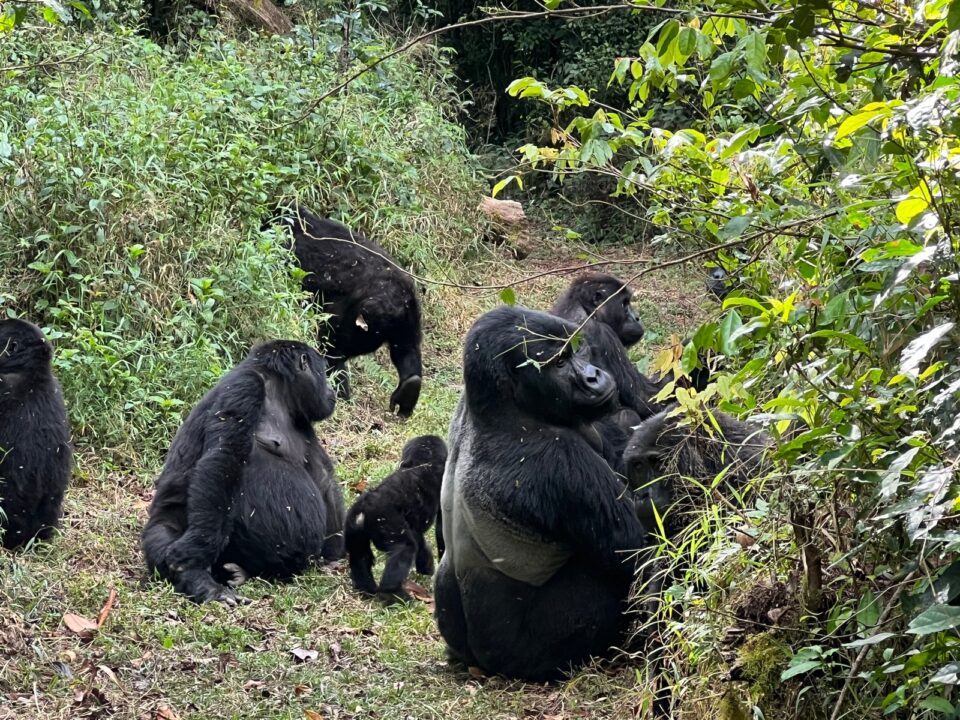
During that hour, you may witness:
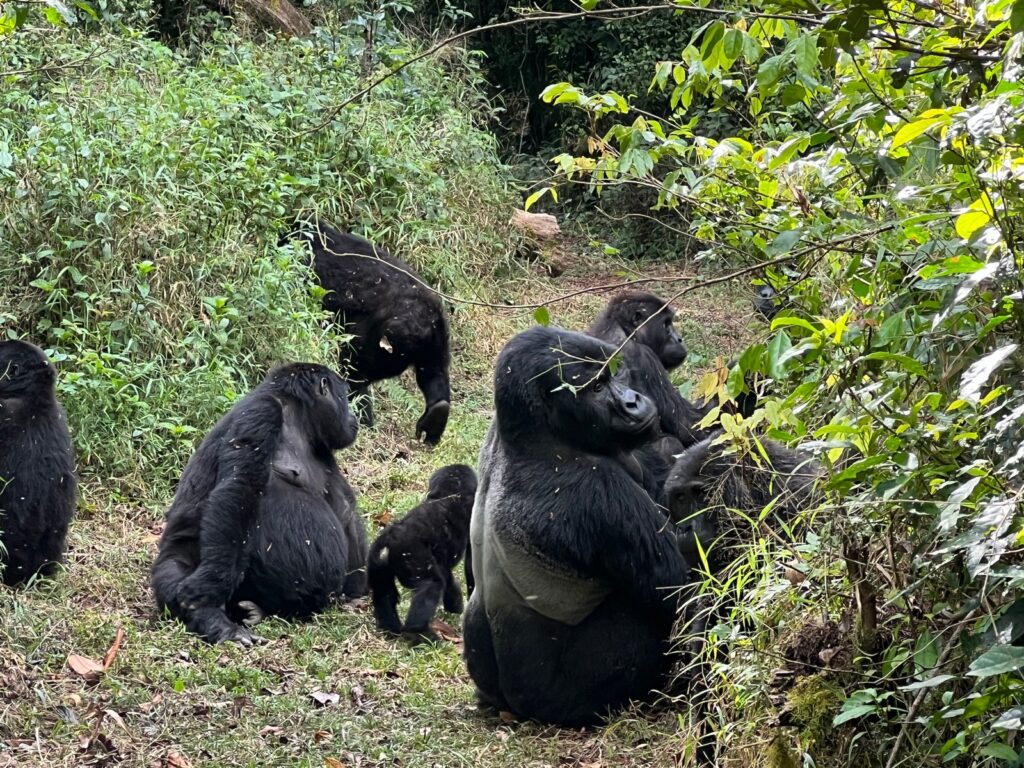
- Silverbacks protecting their families
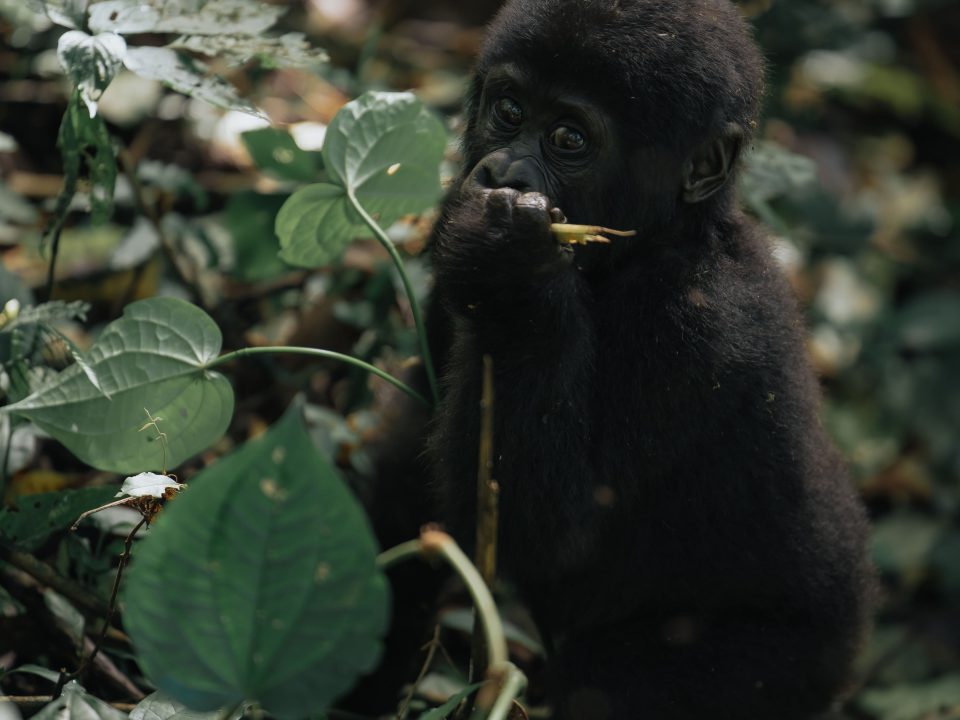
- Mothers caring for infants
- Juveniles playing among the vegetation
- Feeding and social interactions
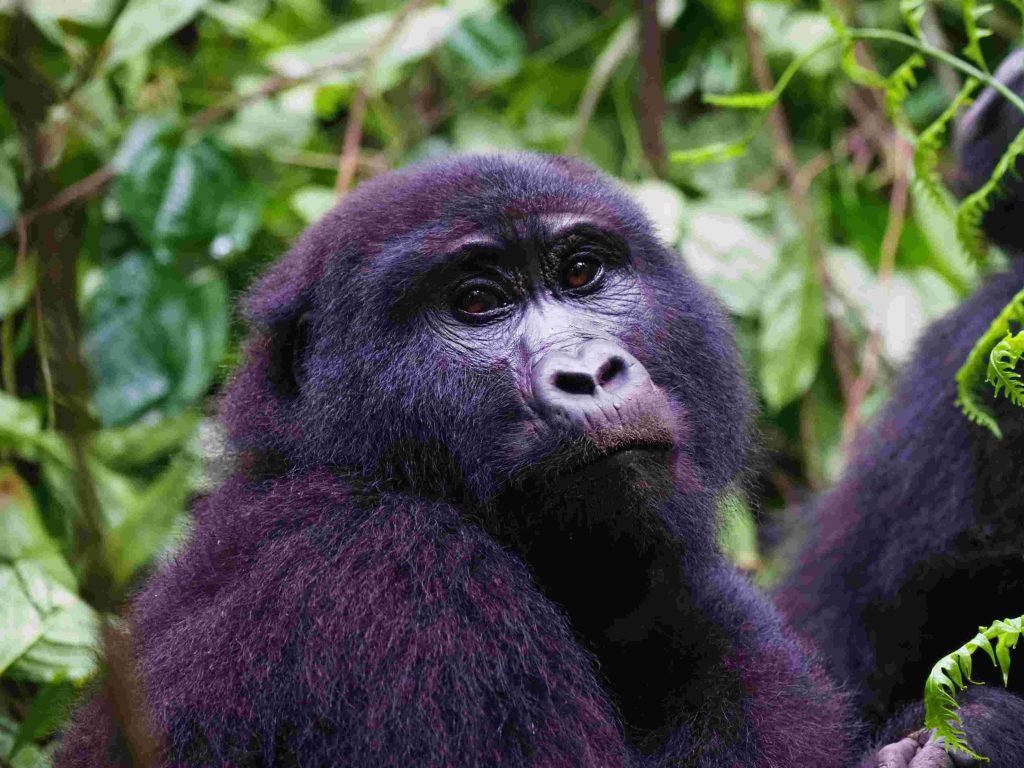
Our visitors describe watching a mountain gorilla look directly into your eyes as one of the most powerful wildlife encounters on Earth.
Mountain Gorilla Conservation Success Story
Mountain gorillas were once critically endangered.
Thanks to strict conservation efforts, anti-poaching patrols, veterinary programs, and responsible tourism, their population has steadily increased.
Every gorilla permit purchased contributes directly to:
- Gorilla conservation
- Habitat protection
- Ranger salaries
- Community development projects
- Wildlife monitoring programs
Gorilla trekking is therefore more than a tourist activity. It is an important conservation tool that helps protect one of the world’s most remarkable species.
Best Time for Gorilla Trekking from Kenya
Gorilla trekking is available throughout the year.
However, the best trekking conditions occur during the dry seasons.
Best Months
- June to September
- December to February
These months typically offer:
- Easier hiking trails
- Better photography conditions
- Less rainfall
- Comfortable trekking weather
Budget-Friendly Months
Travelers seeking lower prices should consider:
- March
- April
- May
- November
Uganda often offers discounted permits during these periods, making it possible to reduce overall safari costs.
Recommended 10-Day Kenya and Gorilla Trekking Itinerary
Days 1–3: Masai Mara National Reserve
Activities include:
- Big Five game drives
- Great Migration viewing (seasonal)
- Bird watching
- Maasai cultural visits
- Optional hot air balloon safari
Are there gorillas in Kenya guide
Day 4: Fly to Uganda or Rwanda
Transfer from Nairobi to:
- Entebbe (Uganda)
- Kigali (Rwanda)
Continue to your gorilla trekking lodge.
Day 5: Gorilla Trekking Experience
Enjoy your once-in-a-lifetime gorilla encounter.
Days 6–7: Additional Activities
Choose from:
- Golden monkey trekking
- Nature walks
- Batwa cultural experiences
- Community visits
- Bird watching
Days 8–10: Return to Kenya
Return to Nairobi and enjoy final sightseeing before departure.
Send Us A Message →
Cultural Experiences Beyond Gorilla Trekking
The gorilla regions offer much more than wildlife.
In Uganda, visitors can meet the Batwa people, the original forest inhabitants who lived alongside gorillas for generations before conservation efforts established protected areas.
In Rwanda, travelers can visit local communities, cultural villages, and conservation initiatives that support gorilla protection.
These experiences add depth and meaning to your safari while supporting local livelihoods.
Gorilla Trekking Gear Checklist
Proper preparation improves comfort during your trek.
Essential Items
- Waterproof hiking boots
- Long-sleeved shirts
- Lightweight hiking trousers
- Rain jacket
- Gardening gloves for vegetation
- Daypack
- Reusable water bottle
- Insect repellent
- Camera with extra batteries
Temperatures can change quickly in mountain forests, so layering clothing is highly recommended.
Physical Fitness Requirements
Gorilla trekking involves hiking through mountainous terrain.
While reasonable fitness is helpful, you do not need to be an athlete.
Experienced guides adjust the pace according to the group.
For visitors with mobility challenges, sedan chair services are available in many trekking sectors. Local porters carry visitors safely through the forest while earning valuable income from tourism.
Accommodation Options in Bwindi
Accommodation ranges from budget-friendly guesthouses to some of Africa’s finest luxury safari lodges.
Luxury Lodges
- Clouds Mountain Gorilla Lodge
- Gorilla Forest Camp
- Silverback Lodge
- Birdnest Bunyonyi Resort
Mid-Range Lodges
- Mahogany Springs
- Rushaga Gorilla Camp
- Chameleon Hill Lodge
Budget Lodges
- Broadbill Forest Camp
- Buhoma Community Rest Camp
Choosing accommodation near your assigned gorilla sector reduces travel time on trekking day.
Gorilla Trekking Costs from Kenya
The cost of a gorilla trekking safari depends on several factors.
Gorilla Permit Costs
| Country | Permit Cost |
|---|---|
| Uganda | $800 |
| Rwanda | $1,500 |
| Congo | Varies |
Additional Costs
- Flights between Kenya and Uganda/Rwanda
- Accommodation
- Ground transportation
- Porters and tips
- Travel insurance
- Visa fees
East African citizens qualify for significantly discounted permit rates.
| Item | Budget | Mid-Range | Luxury |
|---|---|---|---|
| Permit | $800 | $800 | $800 |
| Accommodation | $100 | $300 | $1200 |
| Flights | $250 | $350 | $500 |
| Transfers | $50 | $100 | $200 |
| Total | $1,200+ | $2,000+ | $4,000+ |
Bus or Flight from Kenya to Uganda?
Although road travel between Kenya and Uganda is possible, flying is strongly recommended.
By Road
- Nairobi to Kampala: approximately 12–14 hours
- Kampala to Bwindi: 9–10 hours
Total travel time often exceeds two days.
By Air
- Nairobi to Entebbe: approximately 1 hour 15 minutes
- Domestic flight to Bwindi airstrips available
Flying dramatically reduces travel time and maximizes your safari experience.
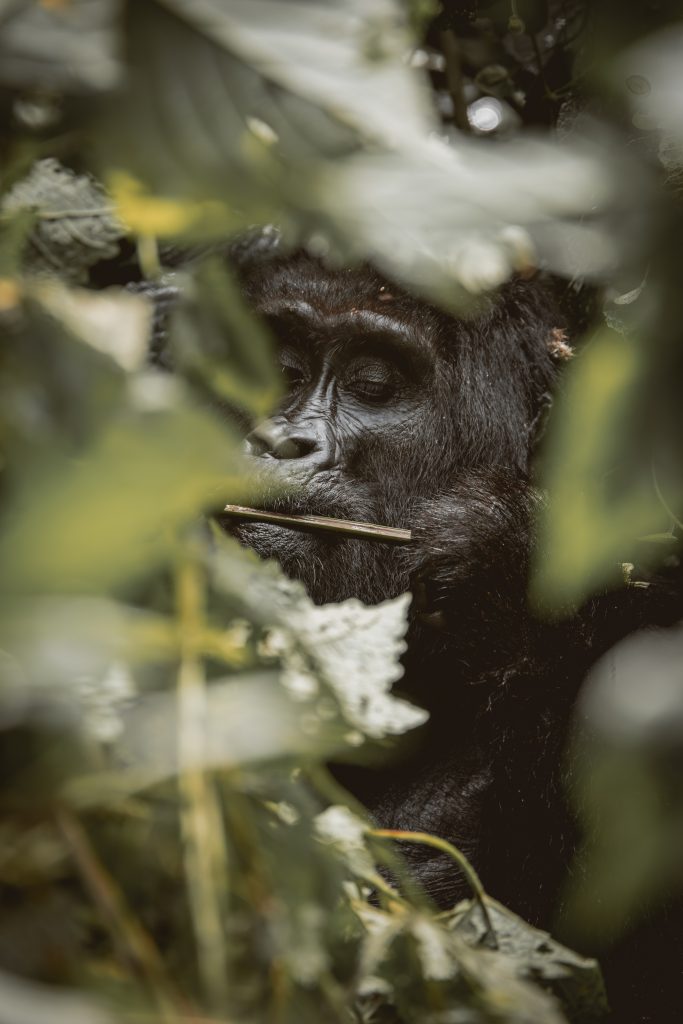
Mountain gorilla trekking from Kenya safari
Frequently Asked Questions
Can I Use My Kenya Visa for Uganda?
If you hold the East Africa Tourist Visa, you can travel between Kenya, Uganda, and Rwanda without obtaining separate visas.
Is Gorilla Trekking Safe?
Yes. Gorilla trekking is highly regulated and guided by professional rangers and trackers.
How Far Away Are the Gorillas?
Visitors must maintain a distance of approximately 7 meters from the gorillas whenever possible.
What Is the Minimum Age?
The minimum age for gorilla trekking is 15 years.
How Early Should I Book?
Peak season permits often sell out 4–6 months in advance.
Can I See Gorillas on a Kenya Safari?
No, wild gorillas do not live in Kenya. However, you can easily combine a classic Kenyan savanna safari with a gorilla trek in neighboring Uganda (Bwindi Impenetrable Forest & Mgahinga Gorilla) or Rwanda (Volcanoes National Park).
How Much Does Gorilla Trekking from Kenya Cost?
An all-inclusive gorilla trekking tour starting from Kenya generally costs between $1,200 and $6,500+ per person, largely depending on your destination choice (Uganda or Rwanda) and tier of accommodation. Because Kenya does not have wild mountain gorillas, travelers must cross into neighboring Uganda or Rwanda.
Is Uganda or Rwanda Better for Gorilla Trekking?
Uganda and Rwanda both offer incredible gorilla trekking, but the best choice depends on your budget and travel style. Choose Rwanda for luxury and shorter travel times, or Uganda for a more budget-friendly, immersive adventure with diverse wildlife.
How Long Does Gorilla Trekking Take?
A gorilla trek typically takes 2 to 6 hours in total, including the hike to locate the family and the mandatory 1 hour of observation time. However, because wild mountain gorillas move freely through dense terrain every day, treks can occasionally be as short as 30 minutes or last up to 8 hours.
Can I Do Gorilla Trekking in 3 Days from Nairobi?
Yes, you can absolutely do a 3-day gorilla trekking trip from Nairobi. However, because gorillas live in the dense forests of southwestern Uganda or Rwanda, the trip requires flying rather than driving.
Final Thoughts
While there are no wild gorillas in Kenya, Kenya remains the ideal gateway to one of Africa’s most extraordinary wildlife experiences.
Combining a Kenya safari with gorilla trekking in Uganda or Rwanda allows you to experience the very best of East Africa—from the legendary plains of the Masai Mara to the misty mountain forests where endangered gorillas thrive.
For travelers seeking a truly once-in-a-lifetime African adventure, few experiences can rival the combination of Big Five safaris and a face-to-face encounter with a mountain gorilla family in the wild.
Ready to plan your Kenya and Gorilla Trekking Safari?
Gorilla Trekking Safaris can help secure gorilla permits, flights, accommodation, and customized itineraries tailored to your budget and travel dates. Contact us today for the latest permit availability and personalized safari planning assistance.
Why Trust Us?
Gorilla Trekking Safaris has organized gorilla trekking safaris throughout Uganda, Rwanda, and East Africa for over 13 years. Our team works directly with Uganda Wildlife Authority (UWA) and Rwanda Development Board (RDB) permit systems to secure gorilla permits and coordinate seamless cross-border itineraries.