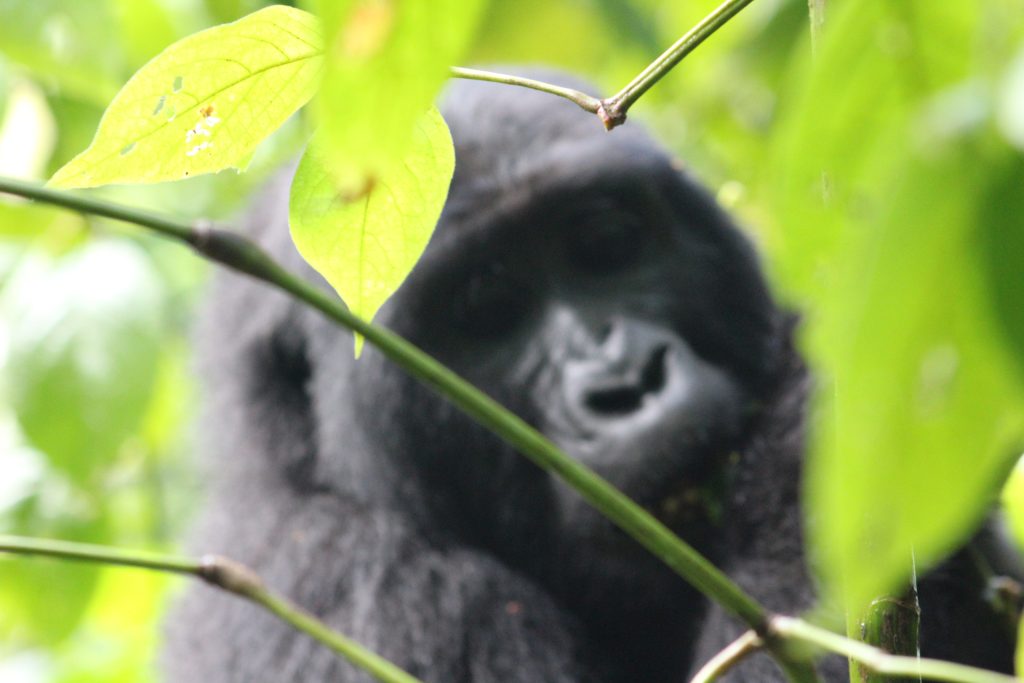
Where to See Mountain Gorillas in the Wild: Uganda, Rwanda & the Best Gorilla Trekking Parks
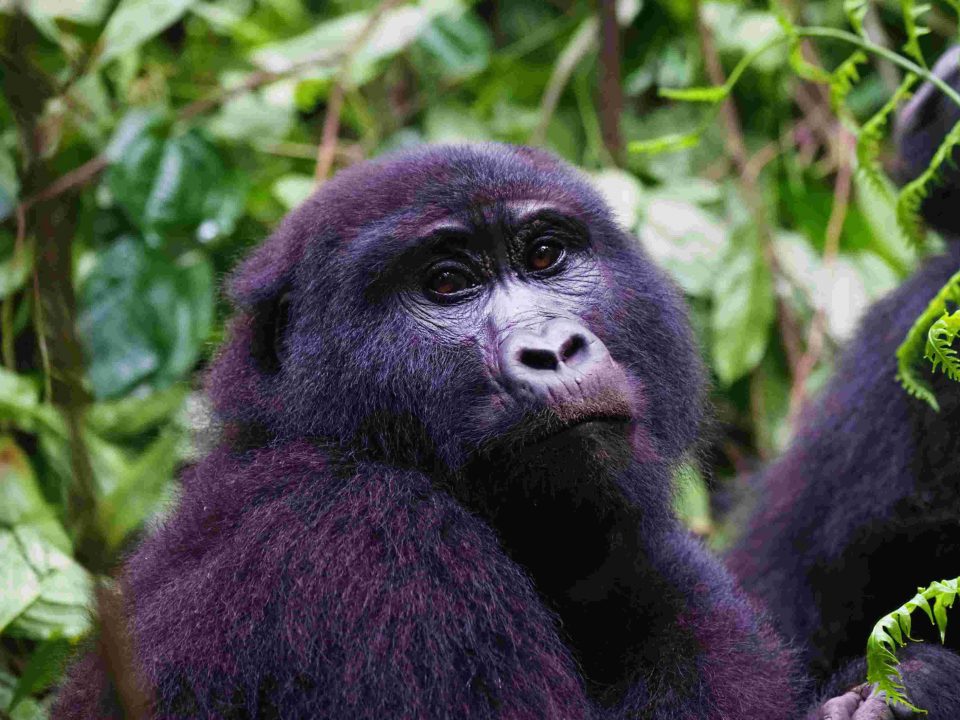
If you are wondering where to see mountain gorillas in the wild, the answer is much more specific than simply saying Africa. Mountain gorillas live naturally in a very limited part of East-Central Africa. Their habitat extends across protected forests in Uganda, Rwanda and the Democratic Republic of Congo (DRC). For travelers planning a gorilla trekking safari, however, Uganda and Rwanda are the principal destinations we recommend.
At Primate World Safaris, we do not believe that choosing a gorilla destination should come down to the permit price alone. We look at your available time, budget, preferred accommodation, transportation, trekking preferences and the other wildlife experiences you want to include. That approach helps us match you with the right destination instead of simply recommending the same park to everyone.
Where Are Mountain Gorillas Found?
Mountain gorillas have one of the smallest natural ranges of any great ape. They live within two connected forest ecosystems: the Virunga Massif and the Bwindi-Sarambwe ecosystem. The Virunga Massif extends across Uganda, Rwanda and the Democratic Republic of Congo. The Bwindi-Sarambwe ecosystem is centered on southwestern Uganda and the surrounding forest landscape.
This restricted range explains why you cannot simply visit any forest in Uganda or Rwanda and expect to find mountain gorillas. Instead, organized gorilla trekking takes place in designated protected areas. Here, selected gorilla families are habituated to the presence of people and monitored by conservation and tracking teams.
- In Uganda, the principal destinations are Bwindi Impenetrable National Park and Mgahinga Gorilla National Park.
- In Rwanda, gorilla trekking takes place in Volcanoes National Park.
So, if you searched “where are mountain gorillas found?”, the short answer is: Mountain gorillas are naturally found in the Virunga Massif and the Bwindi-Sarambwe ecosystem of East-Central Africa. For travelers, Uganda and Rwanda provide the principal organized trekking options.
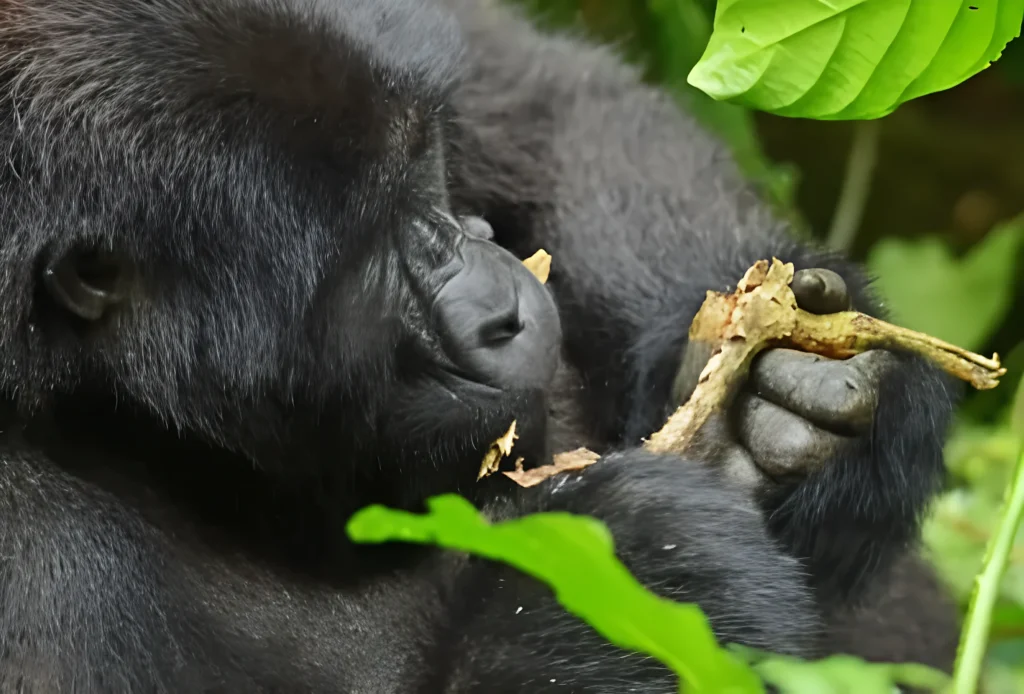
Where to See Mountain Gorillas in the Wild
Where Can You See Mountain Gorillas in the Wild?
There are three principal protected areas we consider when planning a mountain gorilla trekking experience:
- Bwindi Impenetrable National Park, Uganda
- Mgahinga Gorilla National Park, Uganda
- Volcanoes National Park, Rwanda
All three offer the opportunity to enter natural forest habitat and track habituated mountain gorilla families. However, the experience is not identical in each destination. Bwindi offers several trekking sectors and works particularly well for travelers building a broader Uganda safari. Mgahinga sits within the dramatic Virunga landscape and can appeal to travelers interested in combining gorilla trekking with other activities.
Volcanoes National Park is particularly attractive when access from Kigali and a shorter, focused itinerary are important. Therefore, we recommend choosing the destination according to your complete safari, not simply searching for the cheapest gorilla permit.
Where Is the Best Place to See Mountain Gorillas?
There is no single best place to see mountain gorillas for every traveler. The best destination depends on what you want from the trip. If you want more flexibility within Uganda and the opportunity to combine gorilla trekking with chimpanzees and traditional wildlife safaris, Bwindi Impenetrable National Park is a strong option.
If you prefer a focused Rwanda itinerary with relatively straightforward access from Kigali, Volcanoes National Park may suit you better. If you want to experience Uganda’s Virunga landscape and potentially combine gorilla trekking with golden monkey tracking, Mgahinga Gorilla National Park is another option. We therefore prefer to ask a more useful question:
Which gorilla trekking destination fits your trip best? That question produces a much better answer than simply naming one park as the world’s “best.”
Where to See Mountain Gorillas in Uganda
Uganda has two principal destinations for mountain gorilla trekking:
We particularly recommend Uganda to travelers who want gorilla trekking to form part of a larger East African adventure. Depending on your itinerary, we can combine the trek with chimpanzee tracking, classic wildlife viewing, cultural experiences and other Ugandan destinations.
The choice between Bwindi and Mgahinga depends on several practical factors. These include permit availability, trekking sector, accommodation, transportation and the type of experience you want.
Bwindi Impenetrable National Park
Bwindi Impenetrable National Park is Uganda’s best-known mountain gorilla trekking destination. The park contains several trekking sectors, including:
- Buhoma
- Ruhija
- Rushaga
- Nkuringo
This gives us greater flexibility when designing a Uganda gorilla safari. Bwindi is also a destination where the forest itself becomes part of the experience. The terrain can be steep. Vegetation can be dense. Trails can become muddy, particularly after rain.
You are not driving to a viewing point and waiting for gorillas to appear. We enter the forest with trained trackers and rangers, follow the gorilla family’s movements and gradually work our way through their habitat. That unpredictability is part of what makes the experience special.
Why Choose Bwindi?
Bwindi can be particularly suitable if you want:
- Several trekking sectors to consider
- A longer Uganda safari
- Gorilla trekking combined with other wildlife experiences
- Chimpanzee tracking elsewhere in Uganda
- A wider choice of accommodation
- A more comprehensive Uganda itinerary
For many travelers, Bwindi works best when the gorilla trek is one important part of a larger journey rather than the entire trip.
Mgahinga Gorilla National Park
Mgahinga Gorilla National Park sits in southwestern Uganda within the Virunga mountain landscape. It is smaller than Bwindi and has a noticeably different setting. Volcanic mountains rise around the forest, creating a dramatic backdrop for trekking.
We particularly consider Mgahinga for travelers who want to combine gorilla trekking with golden monkey tracking or other experiences within the Virunga region. The park also illustrates an important point about gorilla conservation. The gorillas do not recognize the international borders separating Uganda, Rwanda and the Democratic Republic of Congo.
The Virunga landscape is one interconnected ecological system, even though political boundaries divide it between three countries. Wildlife movements therefore do not follow the lines shown on a map.
Where to See Mountain Gorillas in Rwanda
In Rwanda, the principal destination for mountain gorilla trekking is Volcanoes National Park. The park forms part of the Virunga Massif and sits in northwestern Rwanda near the borders with Uganda and the Democratic Republic of Congo. It is home to habituated gorilla families that visitors can track under Rwanda’s regulated trekking system.
We often recommend Volcanoes National Park to travelers who have limited time or prefer a more focused gorilla itinerary. One of Rwanda’s biggest practical advantages is its connection with Kigali. The relatively straightforward transfer between Kigali and the Volcanoes region can make Rwanda attractive when you want to minimize long overland journeys. That can be particularly useful for travelers fitting gorilla trekking into a shorter East African holiday.
Volcanoes National Park
Volcanoes National Park is one of the world’s best-known destinations for seeing mountain gorillas in the wild. Its setting is distinctive. The forest rises across the volcanic landscape of the Virunga mountains, creating an environment that feels very different from a conventional savanna safari.
During your trek, you may move through bamboo and montane forest before reaching the area where your assigned gorilla family is located. However, we never promise an exact trail, distance or location. Gorillas are wild animals. They move through their habitat to feed, rest and travel. Their location can therefore change from one day to another.
Tracking teams use their knowledge of the gorillas and information from earlier observations to locate the family. The final route depends on the gorillas’ movements, weather, vegetation and conditions in the forest.
Uganda vs Rwanda: Where Should You See Gorillas?
One of the most common questions we receive is: “Is Uganda or Rwanda better for gorilla trekking?” There is no universal answer.
We generally consider Uganda when a traveler wants a broader safari, more choice among Bwindi trekking sectors or a potentially more budget-conscious itinerary. We consider Rwanda particularly attractive when easy access from Kigali, a shorter itinerary and a focused Volcanoes experience are priorities.
- Your starting point also matters.
- So does your available time.
- So does your accommodation preference.
And, importantly, so do the other experiences you want to include. That is why we compare the complete trip, rather than treating the gorilla permit as the only deciding factor.
Uganda vs Rwanda Gorilla Trekking at a Glance
| Consideration | Uganda | Rwanda |
| Main gorilla destinations | Bwindi and Mgahinga | Volcanoes National Park |
| Main trekking environment | Bwindi forest or Virunga landscape | Virunga volcanic landscape |
| Best for | Broader Uganda safari options | Focused Rwanda gorilla itinerary |
| Access | Longer overland options depending on route | Convenient connection from Kigali |
| Other experiences | Chimpanzees, wildlife and cultural experiences | Wildlife, cultural and Rwanda experiences |
| Trekking choice | Several Bwindi sectors plus Mgahinga | Volcanoes National Park |
| Overall cost | Depends on itinerary and accommodation | Depends on itinerary and accommodation |
Choose Uganda if you want:
- A broader Uganda wildlife itinerary
- Bwindi or Mgahinga as your gorilla destination
- More choice among Bwindi trekking sectors
- Gorilla trekking combined with chimpanzee experiences
- Gorilla trekking combined with classic wildlife safaris
- A trip designed around your overall budget
Choose Rwanda if you want:
- Convenient access from Kigali
- A focused gorilla trekking trip
- Volcanoes National Park
- The Virunga volcanic landscape
- A shorter itinerary where transfer time matters
- The convenience of combining gorilla trekking with a Rwanda trip
These are useful planning guidelines rather than rigid rules.
Before recommending one country, we consider your actual travel dates, permit availability, accommodation and current logistics.
Which Country Has the Most Mountain Gorillas?
Uganda is home to a significant portion of the world’s remaining mountain gorillas, particularly within the Bwindi landscape. However, it is more useful to think about mountain gorillas as one conservation population distributed across connected ecosystems. National borders do not divide the gorillas into completely separate ecological populations.
The Virunga Massif spans Uganda, Rwanda and the Democratic Republic of Congo, while the Bwindi-Sarambwe ecosystem forms another important part of their natural range. For travelers, therefore, the more useful question is not simply:
“Which country has the most gorillas?” Instead, ask: “Which destination gives me the best combination of access, trekking, accommodation, cost and other experiences?” That answer is much more useful when planning an actual safari.
Can You See Mountain Gorillas Without Trekking?
For a genuine wild mountain gorilla encounter, trekking is the normal way visitors reach habituated gorilla families. Unlike many savanna wildlife experiences, there is no conventional roadside viewing experience. Mountain gorillas live in forested and mountainous habitats. Their location also changes as they move through the forest.
You therefore need to enter their habitat with the tracking team. We prepare travelers for a real forest trek rather than promising an easy wildlife viewing experience. The amount of walking varies. Some treks are relatively short. Others require considerably more effort. Terrain can also be steep, muddy or slippery. That unpredictability is part of the experience.
Are You Guaranteed to See the Gorillas?
We never describe a wild-animal encounter as absolutely guaranteed. Tracking teams monitor habituated gorilla families and work to locate them each day. This gives visitors an excellent opportunity to find the animals. However, gorillas remain wild animals living in their natural environment.
Weather, terrain, vegetation and gorilla movements can all influence the trek. We believe it is better to explain that honestly than promise a precise encounter before you enter the forest. The goal is not to make the experience sound less exciting. It is to make sure you arrive with realistic expectations.
How Difficult Is It to See Mountain Gorillas?
Gorilla trekking difficulty varies considerably. The terrain, trekking sector, weather and movements of the gorilla family can all affect the experience. Bwindi, for example, can involve steep slopes and dense vegetation.
Volcanoes National Park also involves hiking in a mountainous environment and at altitude. One trek may take considerably less time than another. We therefore do not recommend judging difficulty from a generic number of hours. Instead, we consider your fitness, mobility, age, preferences and the particular trekking destination. If you would benefit from carrying less weight or receiving physical assistance, a porter can also be extremely useful.
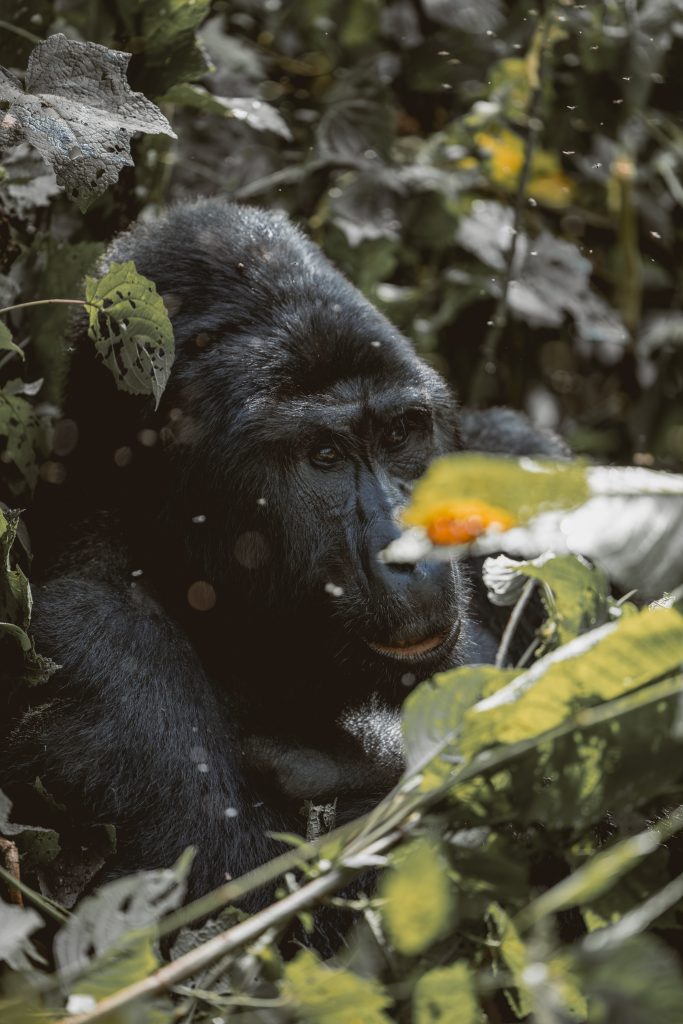
Where to See Mountain Gorillas in the Wild
What Is the Best Time to See Mountain Gorillas?
Mountain gorilla trekking takes place throughout the year. The gorillas do not disappear during the rainy season. What changes most significantly is the trekking environment. During wetter periods, trails can become muddy and slippery.
During generally drier periods, hiking conditions may be more comfortable, although weather in mountain forests can change quickly at any time. We therefore recommend choosing your travel dates based on your wider priorities rather than assuming that there is only one month when gorilla trekking is possible. If comfortable hiking conditions are important, seasonal weather patterns should form part of your planning.
How Much Does It Cost to See Mountain Gorillas?
The total cost depends on far more than the gorilla permit. Your final safari price can include:
- Gorilla permit
- Accommodation
- Transportation
- Meals
- Guide and vehicle
- Airport transfers
- Additional activities
- Porter services
- Tips
- Flights and other personal travel expenses
Uganda and Rwanda also have different logistics and accommodation options. Therefore, a cheaper permit does not automatically produce a cheaper holiday. For a full breakdown of the expenses involved, see our Gorilla Trekking Cost 2026–2027 guide.
How Far Are the Gorilla Parks From Kigali or Kampala?
There is no single distance that applies to every gorilla trekking itinerary. The answer depends on your chosen park, trekking sector and starting point. Volcanoes National Park is relatively accessible from Kigali, which is one reason Rwanda can work particularly well for travelers with limited time.
Bwindi and Mgahinga are farther from Kampala and generally require more overland planning. However, travelers can also consider domestic or charter flights depending on the itinerary and availability.
For Uganda, we recommend planning transportation around the specific trekking sector, rather than using one generic distance for the whole of Bwindi. This can make a meaningful difference to both your travel time and overall safari cost.
Can I Combine Gorilla Trekking With a Safari?
Absolutely. This is one of the reasons we often recommend Uganda to travelers with more time. Gorilla trekking can form part of a broader Uganda safari that includes experiences such as:
- Chimpanzee tracking
- Traditional wildlife safaris
- Cultural experiences
- Forest activities
- Scenic destinations
Depending on your route, you may combine gorilla trekking with destinations such as Kibale Forest or Queen Elizabeth National Park. Rwanda can also be combined with wildlife and cultural experiences.
The important point is to decide what else you want to see before choosing your gorilla destination. Your wider itinerary can change which country makes the most practical sense.
Should You Choose Uganda or Rwanda for Your First Gorilla Trek?
If this is your first gorilla trekking experience, do not choose solely because a website calls one destination “the best.”
Instead, consider five questions:
-
How many days do you have?
A short trip may favor Rwanda because of its access from Kigali.
-
What is your budget?
Compare the complete safari rather than only the permit.
-
What else do you want to see?
If you want chimpanzees and a broader wildlife safari, Uganda can offer a compelling itinerary.
-
How much driving are you comfortable with?
Transfer times can influence the destination decision.
-
What type of accommodation do you want?
Your preferred lodge can influence both the route and overall cost.
Once we know these details, the destination choice becomes much easier.
How We Help You Choose Where to See Mountain Gorillas
At Primate World Safaris, we do not believe there is one perfect gorilla destination for everyone.
We start with your:
- Travel dates
- Number of travelers
- Available days
- Budget
- Accommodation preferences
- Fitness considerations
- Preferred transportation
- Other wildlife experiences
We then compare the practical options in Uganda and Rwanda.
- Permit availability also matters.
- So does your trekking sector.
- So does the location of your accommodation.
These details can affect both your total cost and the amount of time you spend traveling.
Our goal is simple: Help you choose the right gorilla destination before you commit to the safari.
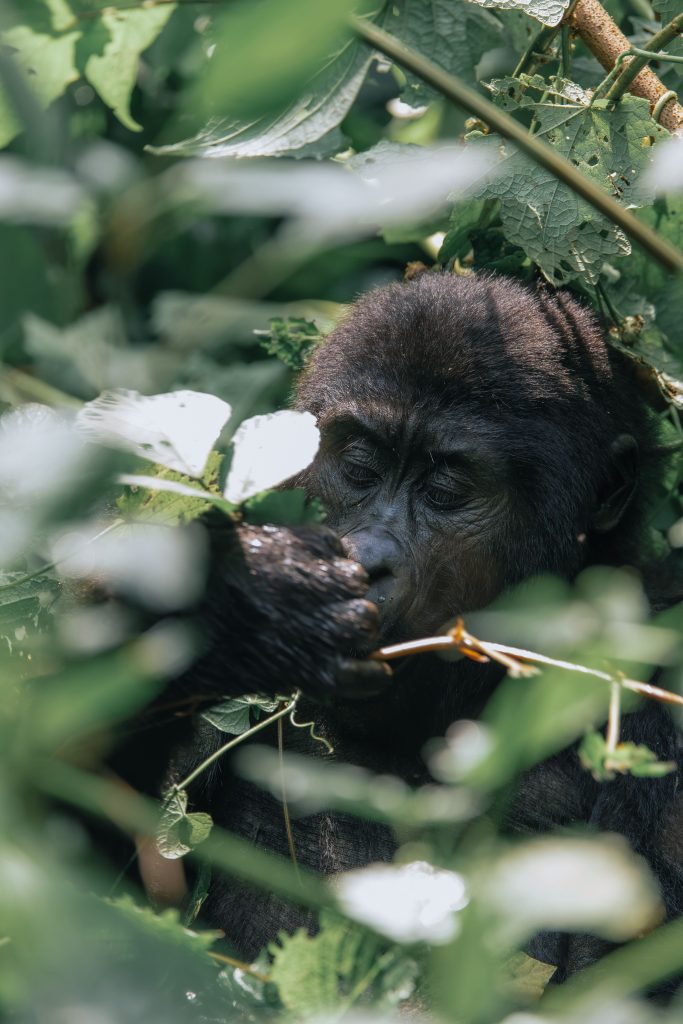
Where to See Mountain Gorillas in the Wild
Frequently Asked Questions About Where to See Mountain Gorillas
Where are mountain gorillas found?
Mountain gorillas are naturally found in the forests of the Virunga Massif and the Bwindi-Sarambwe ecosystem in East-Central Africa. Their natural range crosses Uganda, Rwanda and the Democratic Republic of Congo.
What countries can you see mountain gorillas in?
Mountain gorillas occur naturally in Uganda, Rwanda and the Democratic Republic of Congo. For organized tourist trekking, Uganda and Rwanda are the principal destinations we recommend. Travel conditions should be checked carefully before considering DRC.
Where is the best place to see mountain gorillas?
There is no single best destination for everyone. Bwindi is particularly useful for broader Uganda itineraries, while Volcanoes National Park can be attractive when access from Kigali and a shorter trip are priorities. Mgahinga provides another Ugandan option within the Virunga landscape.
Is Uganda or Rwanda better for gorilla trekking?
It depends on your priorities. Uganda can work particularly well for longer safari itineraries and travelers who want to combine gorillas with chimpanzees or classic wildlife. Rwanda can be attractive when accessibility and a shorter itinerary matter most.
Can I see gorillas in Kampala?
No. Kampala is Uganda’s capital and is not mountain gorilla habitat. Gorilla trekking takes place in southwestern Uganda, principally in Bwindi Impenetrable National Park and Mgahinga Gorilla National Park.
Can I see mountain gorillas without hiking?
A genuine wild mountain gorilla encounter normally requires trekking into their forest habitat. The amount of hiking varies according to the destination, terrain and movements of the gorilla family.
Are mountain gorillas only found in Uganda?
No. Mountain gorillas occur across the Virunga Massif shared by Uganda, Rwanda and the Democratic Republic of Congo, as well as the Bwindi-Sarambwe ecosystem.
Where can I see mountain gorillas in Uganda?
The two principal destinations are Bwindi Impenetrable National Park and Mgahinga Gorilla National Park.
Where can I see mountain gorillas in Rwanda?
The principal destination is Volcanoes National Park in northwestern Rwanda.
How difficult is mountain gorilla trekking?
Difficulty varies according to the trekking location, terrain, weather and movements of the gorilla family. Bwindi can involve steep terrain and dense vegetation, while Volcanoes also involves hiking in a mountainous environment.
What is the best time to see mountain gorillas?
Gorilla trekking takes place throughout the year. Seasonal differences mainly affect hiking conditions, with wetter periods often producing muddier and more slippery trails.
Are mountain gorilla sightings guaranteed?
No wild-animal encounter should be described as absolutely guaranteed. Tracking teams work to locate habituated gorilla families, but the animals remain wild and their movements can affect the trek.
How much does it cost to see mountain gorillas?
The total cost depends on the permit, accommodation, transportation, number of travelers, trip length and additional activities. Compare the complete safari rather than the permit alone.
Can I combine gorilla trekking with other wildlife?
Yes. Uganda is particularly suitable for combining gorilla trekking with chimpanzee tracking and traditional wildlife safaris. Rwanda also offers additional wildlife and cultural experiences.
Where Should You Go to See Mountain Gorillas?
If your goal is to see mountain gorillas in the wild, both Uganda and Rwanda offer remarkable opportunities. The more important decision is choosing the destination that fits the rest of your journey. We recommend considering Bwindi or Mgahinga in Uganda if you want a broader Ugandan safari, different trekking options or a more flexible itinerary.
We recommend considering Volcanoes National Park in Rwanda if convenient access from Kigali, a shorter itinerary and a focused gorilla experience are your priorities. Whichever destination you choose, the experience is fundamentally different from watching wildlife from a safari vehicle.
- We walk into the forest.
- We follow the tracking team.
- We adapt to the terrain.
And eventually, we may find a gorilla family living its ordinary life among the trees. That is what makes gorilla trekking so extraordinary. If you are still unsure where to see mountain gorillas, send us your travel dates, number of travelers, approximate budget and the number of days available.
We can help you compare the practical Uganda and Rwanda options and design a gorilla trekking safari around the experience you actually want.