Decoding the Seasons
For luxury travelers, conservationists, and expedition planners, timing a journey to East Africa requires balancing seasonal weather with tracking conditions. Deciding on the best month to visit Uganda requires an understanding of how regional equatorial weather patterns affect deep-wilderness logistics.
Uganda’s diverse ecosystems, ranging from the high-altitude, mist-shrouded rainforests of the south to the vast, acacia-spotted savannahs of the north, create varying microclimates. While this diverse geography makes wildlife viewing possible year-round, distinct dry and wet seasons affect trail accessibility, animal behavior, and tracking conditions.
At Gorilla Trekking Safaris, we treat timing as a critical factor in a trip’s success. To help you select the ideal window for your expedition, this comprehensive guide analyzes Uganda’s calendar year. We evaluate wildlife movements, tracking demands, and the latest regulatory frameworks to identify your optimal travel window.
 The Uganda Seasonal Matrix: At a Glance
Planning a comprehensive multi-destination itinerary requires evaluating how seasonal changes alter tracking demands and wildlife density across major parks. The table below details how weather variations affect primary safari objectives throughout the year.
Uganda Annual Seasonal Performance Grid
| Calendar Window | General Climate Profile | Trail & Tracking Mechanics | Savannah Wildlife Visibility | Tactical Strategic Recommendation |
| January – February | High-temperature dry season; minimal cloud cover and low rainfall. | Firm ground; sparse undergrowth; fast, high-clarity primate tracking. | Exceptional: High density around permanent rivers and waterholes. | Optimal window for combining deep forest trekking with high-fidelity aquatic boat safaris. |
| March – May | Primary heavy rainy season; frequent afternoon downpours. | Slick, muddy terrain; thick vegetation; physically demanding trekking. | Dispersed: Wildlife moves away from rivers; newborn animals are common. | Excellent for budget travelers; lower lodge rates and newly discounted low-season permits. |
| June – August | Cool, stable dry season; the traditional peak travel window. | Drier forest floor; manageable mist levels; highly reliable tracking. | Excellent: Predictable tracking along standard game drive loops. | Secure permits 8 to 12 months early to guarantee access to top-tier gorilla habituated groups. |
| September – October | Transitional period; moderate rainfall with intermittent dry spells. | Variable trail conditions; increasing mist; changing forest cover. | Moderate: High bird activity; elephants and grazers move through tall grass. | Ideal for photographers seeking dramatic cloud formations and vibrant green backdrops. |
November |
Short rainy season; brief, intense equatorial downpours. | Damp forest trails; fast-changing weather; lush undergrowth. | Dispersed: Animals spread out; excellent for spotting migratory birds. | Take advantage of low-season permit discounts and lower crowd numbers across top destinations. |
December |
Start of the short dry season; festive travel peak; moderate temperatures. | Clearing trails, declining mud levels, and rising daily visibility. | High: Predators and prey return to predictable water sources. | Requires early booking; coordinate festive logistics well in advance. |
-
The Core Dry Windows: The Standard of Truth for Trekking
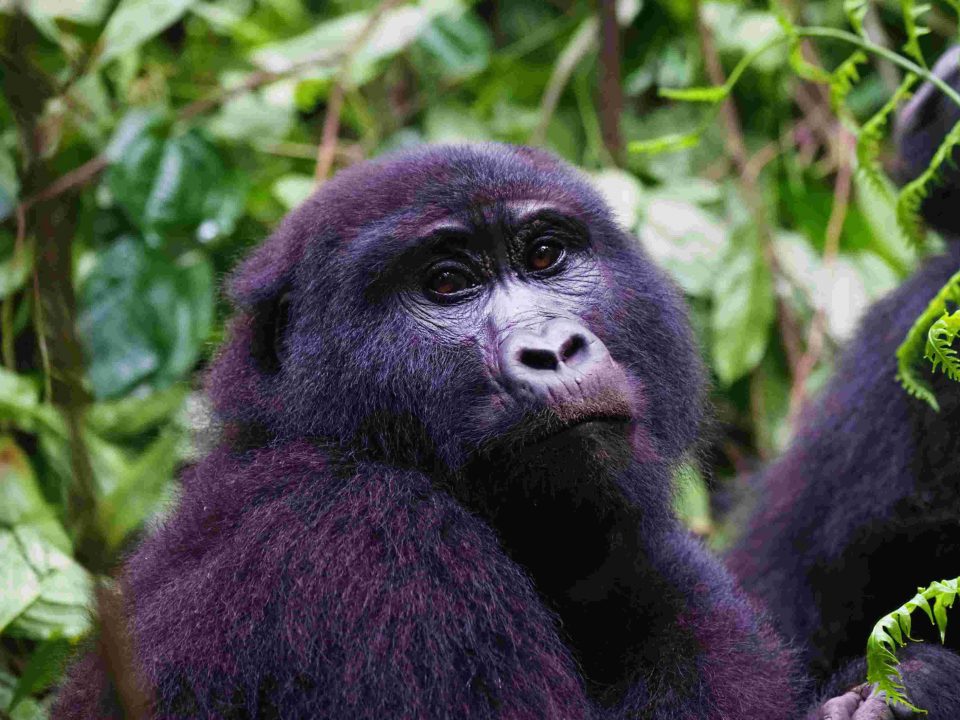
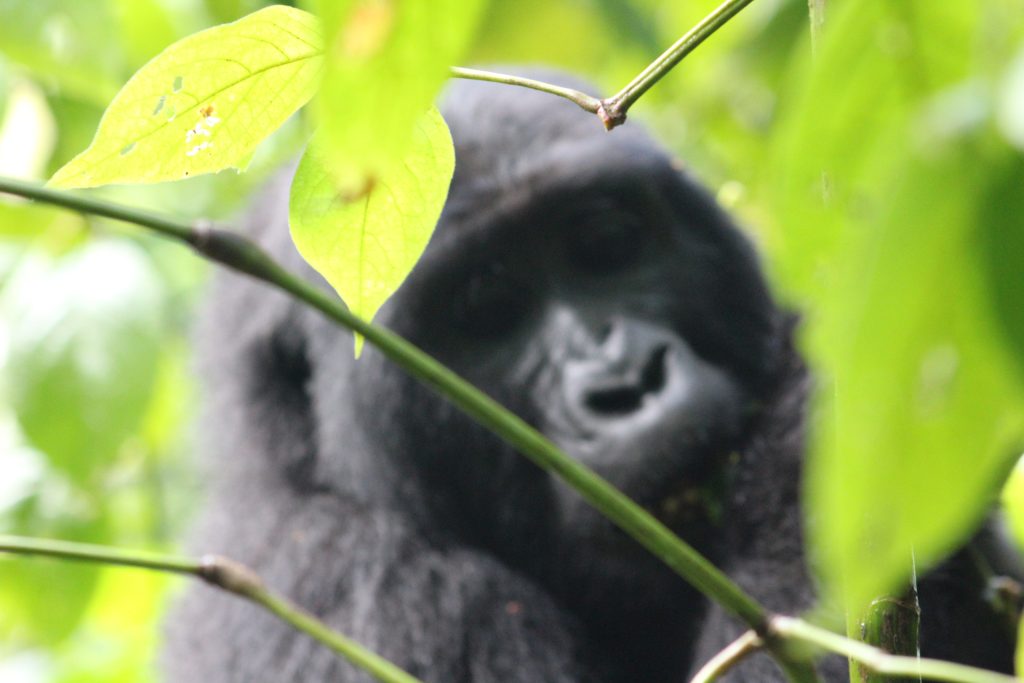
For travelers focused on tracking mountain gorillas (Gorilla beringei beringei) or habituated chimpanzees (Pan troglodytes), the dry seasons represent the premier choice for exploration. These windows offer stable weather and clear visibility, laying the groundwork for world-class wildlife encounters.
The Early Dry Window: January to February
This short dry season is often considered the best-kept secret by elite field guides. Coming right after the short rains of late autumn, the landscape remains beautifully green, but the ground dries out rapidly.
- Primate Tracking Conditions: In mountain ecosystems, drier soil provides stable footings along steep ridges and volcanic slopes. Sparse undergrowth improves sightlines, allowing photographers to capture clear shots without leaves blocking the view.
- Savannah Dynamics: In destinations like Queen Elizabeth and Murchison Falls, smaller waterholes dry up, forcing elephant herds, Cape buffaloes, and defassa waterbucks to gather along major water channels.
The Long Dry Window: June to August
This period is the traditional peak season for East African tourism. It features cooler daily temperatures, making long treks through dense rainforests more physically manageable.
- The Forest Environment: The paths through old-growth forests become firm, which reduces the physical strain of long tracking sessions. While occasional light rain can still occur due to the equatorial climate, the overall stability of the weather allows for predictable daily planning.
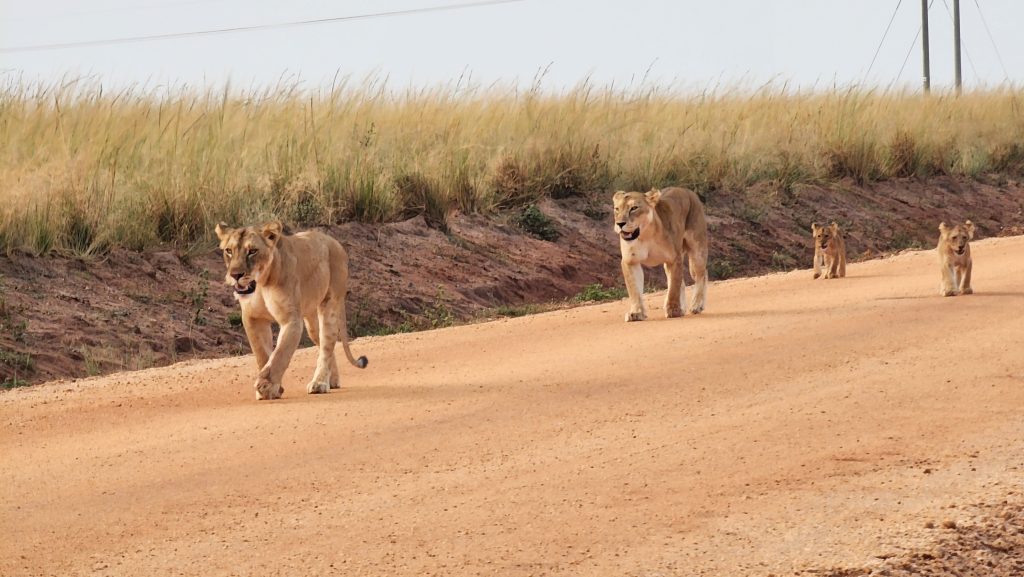
- Big Game Safaris: The dry weather thins out savannah grasses, making it much easier to spot lions, leopards, and hyenas as they track their prey through the brush.
Dry Season Ecosystem Dynamics
| Rainforest Canopy Mechanics | Savannah Grassland Impact |
| • Drier soil
Provides a stable footing on steep ridges during trekking. |
• Receding waterholes
Forces game and wildlife to congregate predictably near permanent rivers. |
| • Less undergrowth
Opens up clear photographic sightlines through the dense vegetation. |
• Low grass height
Significantly increases visibility for spotting predators and hidden game. |
| • Reduced humidity
Offers excellent protection and safety for electronic camera gear. |
• Concentrated wildlife patterns
Allows for highly predictable and successful game drive tracking loops. |
-
Primate Trekking Pricing: Managing Your Permits
Primate tracking is a tightly regulated activity. The Uganda Wildlife Authority (UWA) uses a strict permit system to protect these ecosystems and fund anti-poaching and community development initiatives.
Understanding permit costs and booking guidelines is essential when deciding when to plan your trip. To encourage travel during quieter times, the government has introduced discounted low-season permits for specific months.
Uganda Primate Permit Tariff Structure (2026/2027 Framework)
| Activity & Destination | Peak Season Permit Fee (FNR) | Low-Season Permit Fee (April, May, November) | Tactical Operational Guide |
| Gorilla Trekking
(Bwindi / Mgahinga) |
$800 USD | $600 USD | Includes park entry; grants a strict one-hour encounter with a fully habituated family. |
| Gorilla Habituation Experience
(Bwindi) |
$1,500 USD | $1,500 USD | Max 4 guests per day; grants 4 hours of field time alongside researchers and trackers. |
| Chimpanzee Tracking
(Kibale Forest) |
$250 USD | $200 USD | High success rate (>90%); morning and afternoon sessions available. |
| Chimpanzee Habituation
(Kibale Forest) |
$300 USD | $300 USD | Full-day field placement tracking chimpanzees from their morning nests. |
Critical 2026 Regulatory Notice: The Uganda Wildlife Authority has removed the old 7-day provisional reservation window. To eliminate speculative bookings and ensure fair access, all permits must now be paid for in full immediately at the time of booking. Because daily quotas are strictly limited, peak dry season permits should be secured 8 to 12 months before departure. Low-season promotional permits do not include a rescheduling option, meaning your travel dates must remain fixed.
-
 The Shoulder & Rainy Seasons: A Value-Driven Alternative
While dry seasons offer easier trekking conditions, traveling during the rainy months, specifically March to May and November, presents unique advantages for experienced travelers and professional photographers.
The Cost and Privacy Advantages
The rainy season significantly reduces visitor numbers across the country’s national parks. During these months, you can experience intimate wildlife encounters without the accompaniment of other safari vehicles.
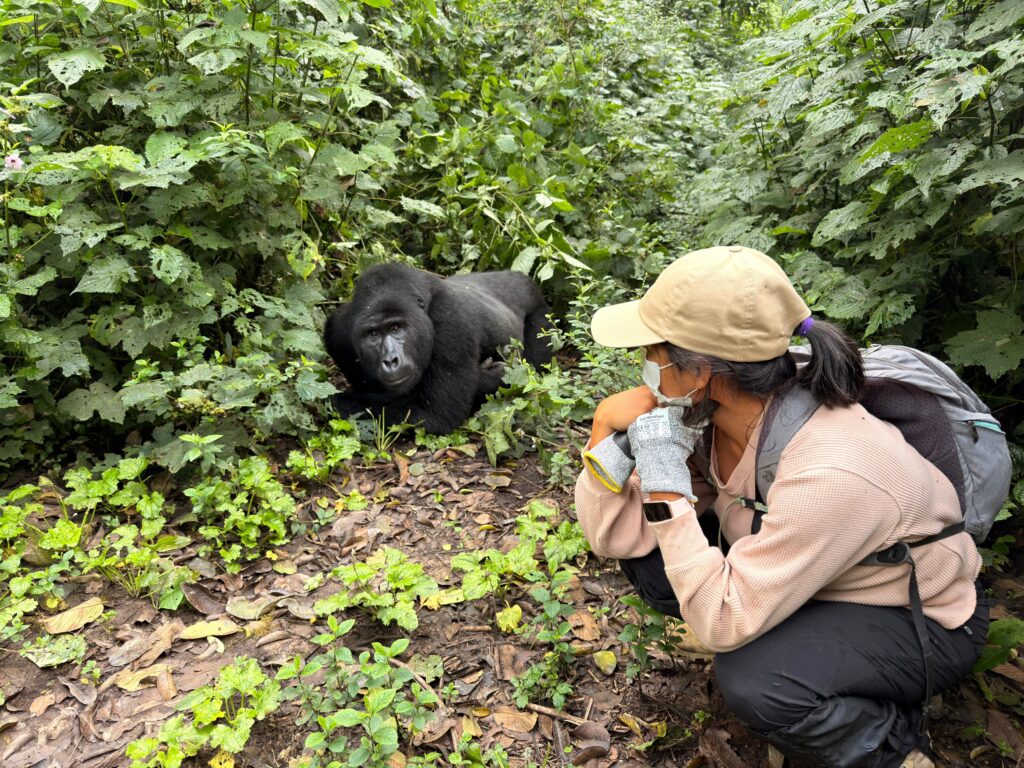
- Exclusive Sightings: It is common for a single group to have a gorilla family or a lion sighting completely to themselves, free from the pressure of peak-season crowds.
- Premium Accommodation Savings: Many luxury safari lodges lower their nightly rates during these shoulder months, allowing travelers to experience high-end eco-luxury properties at a fraction of the dry-season cost.
Photographic and Landscape Highlights
For professional landscape and wildlife photographers, the rainy season offers excellent visual conditions:
- Lush Visual Backdrops: Rain cleared of dust creates a crisp, clear atmosphere, while the landscape transforms into a vibrant emerald green.
- Dramatic Lighting: Dynamic afternoon storms produce deep, moody skies that add a powerful sense of scale and atmosphere to wildlife portraits.
- Avian Activity: The wet seasons bring fruit and insect blooms that draw in thousands of migratory bird species, making it a spectacular time for birdwatching.
-
Month-by-Month Environmental Breakdown
To provide a detailed planning framework, our field team has broken down the calendar year into specific monthly profiles, highlighting the distinct conditions you will encounter on the ground.
-
January
- Weather: Warm and dry across all major ecosystems.
- Trekking: Highly reliable; firm trails with minimal mud.
- Savannah: Excellent visibility; animals gather along the Nile in Murchison Falls and the Kazinga Channel in Queen Elizabeth National Park.
- Verdict: Highly recommended for combining primate treks with classic big-game safaris.
-
February
- Weather: The warmest and driest month of the early dry season.
- Trekking: Smooth trail conditions; comfortable tracking at higher elevations.
- Savannah: Wildlife is highly concentrated around permanent water sources.
- Verdict: Ideal for aquatic safaris and capturing clear, dust-free wildlife photography.
-
March
- Weather: A transitional month as the main rainy season begins.
- Trekking: Occasional rain showers start dampening forest floors, making slopes slicker.
- Savannah: Grasslands begin to green up; wildlife starts to spread out from water sources.
- Verdict: A great option for flexible travelers looking to beat the peak summer crowds.
-
April
- Weather: One of the wettest months of the year, featuring heavy afternoon downpours.
- Trekking: Wet, muddy trails that require good physical fitness and high-quality waterproof gear.
- Savannah: Lush, thick vegetation makes spotting wildlife more challenging.
- Verdict: An excellent choice for budget-conscious travelers taking advantage of the $600 USD low-season gorilla permits.
-
May
- Weather: Rains continue but begin to clear toward the end of the month.
- Trekking: Trails remain damp, but rain showers become shorter and more predictable.
- Savannah: The landscape is beautiful and green, providing a great backdrop for newborn animals.
- Verdict: A good choice for photographers who want lush scenery and discounted permit pricing.
-
June
- Weather: The start of the long dry season, bringing cooler and more stable weather.
- Trekking: Forest trails dry out quickly, creating excellent conditions for primate tracking.
- Savannah: Grasses recede and wildlife returns to predictable tracking loops.
- Verdict: High peak season; permits and luxury lodges must be booked well in advance.
-
July
- Weather: Cool, dry, and pleasant throughout the country.
- Trekking: Excellent trail stability; minimal rainfall inside old-growth forests.
- Savannah: Great conditions for morning and evening game drives.
- Verdict: Widely considered one of the premium months for a balanced, multi-park itinerary.
-
August
- Weather: The final month of the long dry season, with temperatures starting to rise.
- Trekking: Trails remain clear and highly accessible.
- Savannah: High concentrations of wildlife around major rivers and lakes.
- Verdict: A busy travel month that requires advanced reservations across all logistics.
-
September
- Weather: A transitional month bringing light, scattered rainfall.
- Trekking: Comfortable tracking conditions with occasional afternoon showers.
- Savannah: Changing grass heights brings different wildlife viewing dynamics.
- Verdict: An excellent choice for travelers looking for a mix of good weather and lower lodge occupancy.
-
October
- Weather: Moderate rainfall as the short autumn rains approach.
- Trekking: Damp trails mixed with clear, sunny mornings.
- Savannah: Vibrant landscapes and high levels of bird activity.
- Verdict: A great choice for dedicated birdwatchers and landscape photographers.
-
November
- Weather: The second short rainy season, featuring brief but intense downpours.
- Trekking: Slick trails that require sturdy boots and gaiters.
- Savannah: Migratory birds arrive in large numbers across wetlands and savannahs.
- Verdict: Ideal for value-driven travelers utilizing the low-season permit discounts ($600 USD gorilla / $200 USD chimp).
-
December
- Weather: The rain clears up, marking the start of the brief winter dry window.
- Trekking: Rapidly improving trail conditions and clear morning skies.
- Savannah: Animals return to permanent waterholes, raising tracking success rates.
- Verdict: A popular holiday travel window that requires early booking to secure permits.
-

Best Month to Visit Uganda
Tactical Packing Essentials for Every Season
Regardless of the month you choose for your trip, the unique combination of montane rainforests and equatorial savannahs requires specialized gear to ensure comfort and safety in the field.
- High-Performance Footwear: Waterproof, high-top hiking boots with deep tread are essential. Pair them with breathable, lightweight canvas gaiters to keep mud, insects, and debris out of your boots during deep forest tracks.
- Layered Clothing Systems: Choose moisture-wicking base layers, lightweight safari trousers, and a breathable, waterproof shell jacket. Stick to neutral colors like khaki, green, and tan; avoid bright blue and black clothing, as they can attract tsetse flies in certain savannah areas.
- Hands-on Protection: Lightweight, durable outdoor gloves (such as puncture-resistant gardening gloves) are highly useful when navigating thick forest terrain, allowing you to grip branches and vines safely on steep slopes.
- Camera Gear Maintenance: Bring heavy-duty dry bags and microfiber cleaning cloths to shield your cameras, lenses, and binoculars from forest moisture, dust, and sudden equatorial downpours.
Conclusion: Securing Your Travel Window
Choosing the best month for your trip depends on your personal priorities, budget, and fitness level. If your main goal is easy trekking and classic game viewing, the dry windows of January to February and June to August are the premium options. If you prefer quiet trails, private wildlife viewings, and better value, the green months of April, May, and November offer a rewarding alternative.
Ready to plan your custom African expedition? Our team at Gorilla Trekking Safaris manages every detail of your itinerary, from securing official permits and organizing private 4×4 land cruisers to booking top-tier eco-luxury lodges.