The 2026 Definitive Pricing Guide
In the 2026 travel landscape, the African safari remains the ultimate frontier of high-impact exploration. However, for many travelers, the initial sticker shock can be a significant barrier to entry. Understanding the Standard of Truth regarding safari pricing is not just about looking at a bottom-line figure; it is about analyzing the Value-per-Encounter and the technical logistics that drive these costs.
Whether you are planning a budget-conscious deployment or a high-fidelity luxury mission, an African safari typically costs between $125 and $1,500+ per person, per night. A standard 7-day expedition generally ranges from $1,500 to $8,000+ per person, depending on your choice of destination, season, and comfort level.
-
The 2026 Safari Cost Architecture: Level by Level
At Primate World Safaris, we categorize safari investments into three distinct Tiers of Engagement. Each tier offers a different level of logistical support and intimacy with the wild.
Tier 1: Budget Deployment ($125–$300 / Day)
Budget safaris are designed for travelers who prioritize the Wild over the Waitstaff.
- Accommodation: Basic tented camping (often with shared facilities) or budget lodges located outside national park boundaries.
- Logistics: Large group tours (up to 7 people per vehicle) and standard 4×4 land cruisers or converted vans.
- The Experience: You spend the same time in the park as luxury travelers, but your off-clock hours involve more grit, think self-catering or communal mess tents.
Tier 2: Mid-Range Strategy ($300–$800 / Day)
The Sweet Spot for most 2026 travelers. This tier balances comfort with authentic immersion.
- Accommodation: Mid-range permanent tented camps or lodges featuring en-suite bathrooms and private balconies.
- Logistics: Smaller groups (4–6 people) and highly experienced, silver-level guides.
- The Experience: Often located inside or very near park gates, reducing Transfer Lag in the mornings. Meals are typically 3-course affairs included in the rate.
Tier 3: Elite Luxury ($800–$1,500+ / Day)
This is a high-performance mission where every variable is optimized for exclusivity.
- Accommodation: Ultra-exclusive lodges in private conservancies, offering plunge pools, air conditioning, and 24/7 butler service.
- Logistics: Private vehicles, fly-in access (avoiding long road transfers), and gold-level trackers.
- The Experience: Maximum Standard of Truth. You are often in private concessions where off-roading and night drives are permitted, activities strictly prohibited in most national parks.
-
Variables Affecting the Standard of Truth in Pricing
In 2026, several technical factors dictate the fluctuation of safari rates. Understanding these allows for strategic Price Arbitrage.
-
Seasonal Synchronization (High vs. Low)
- Peak Season (Dry Season): In most of East and Southern Africa (June–October), prices are at their zenith. Demand for the Great Migration and easy wildlife spotting at water holes drives rates up by 40%–60%.
- Green Season (Wet Season): Often overlooked, the months of April, May, and November offer incredible value. While the Grit of the Road increases due to mud, lodges often drop rates to $400 for a $1,000-a-night room.
-
The Destination Coefficient
Not all African soil carries the same price tag.
- High-Cost Hubs: Botswana and Rwanda operate on a low-volume, high-cost model to protect ecosystems. Gorilla permits in Rwanda remain at $1,500, while Botswana’s Okavango Delta lodges frequently exceed $2,000/night.
- Value Hubs: South Africa, Namibia, and Uganda offer more varied price points. South Africa’s extensive infrastructure allows for high-quality self-drive options that can lower the daily cost significantly.
-
Specialized Mission Activities
Standard game drives are included in your daily rate, but high-impact activities are Add-ons:
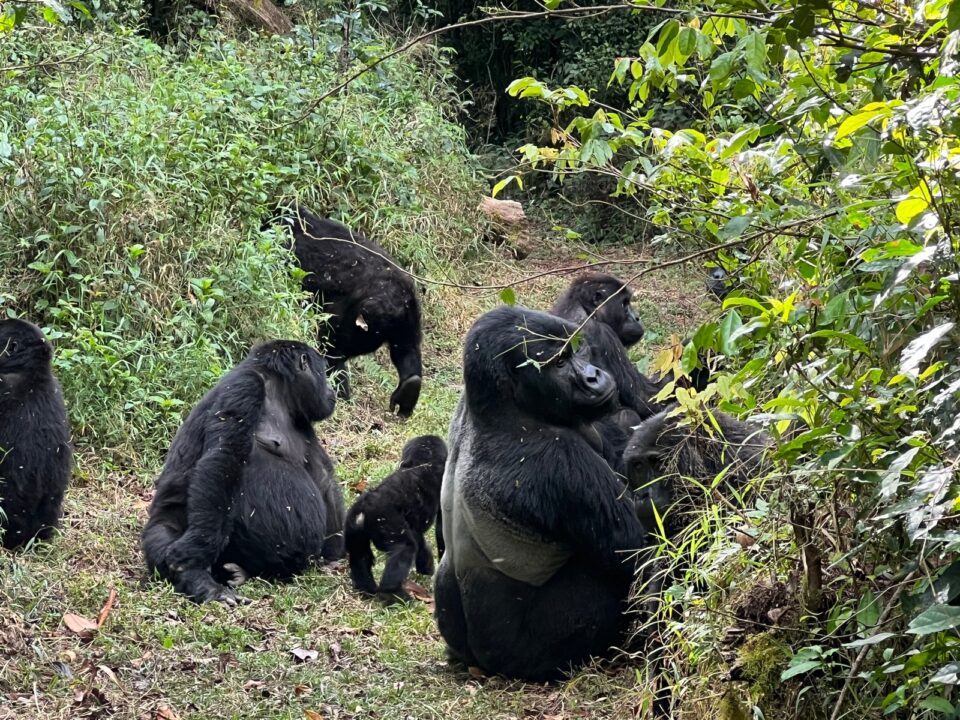
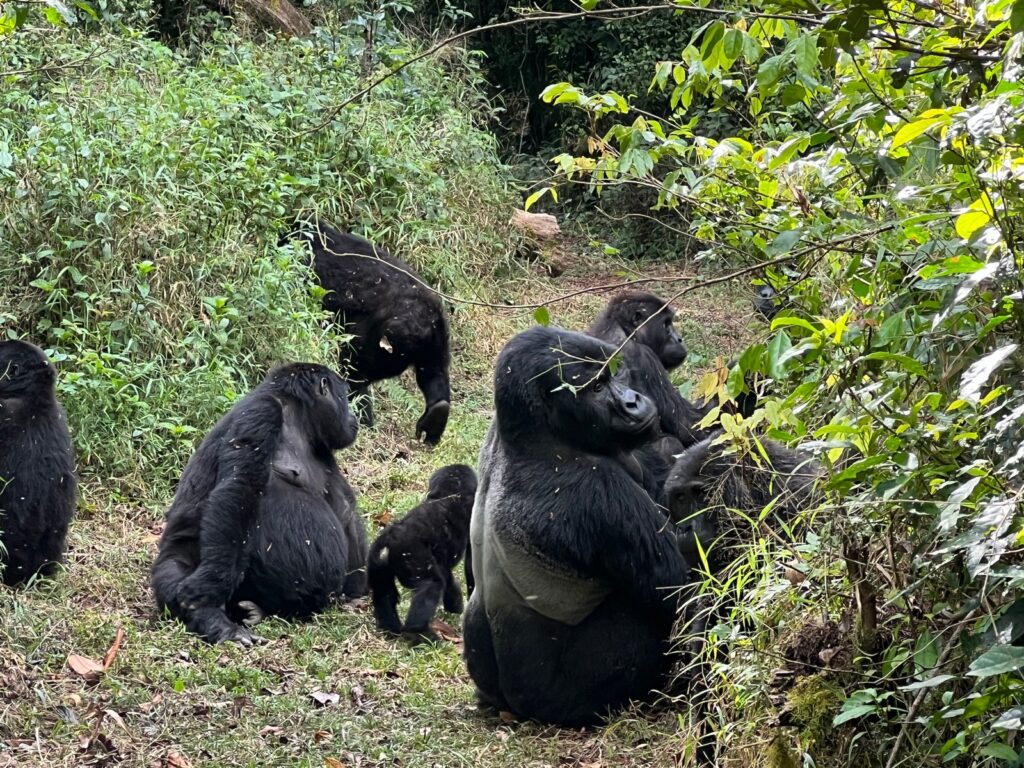
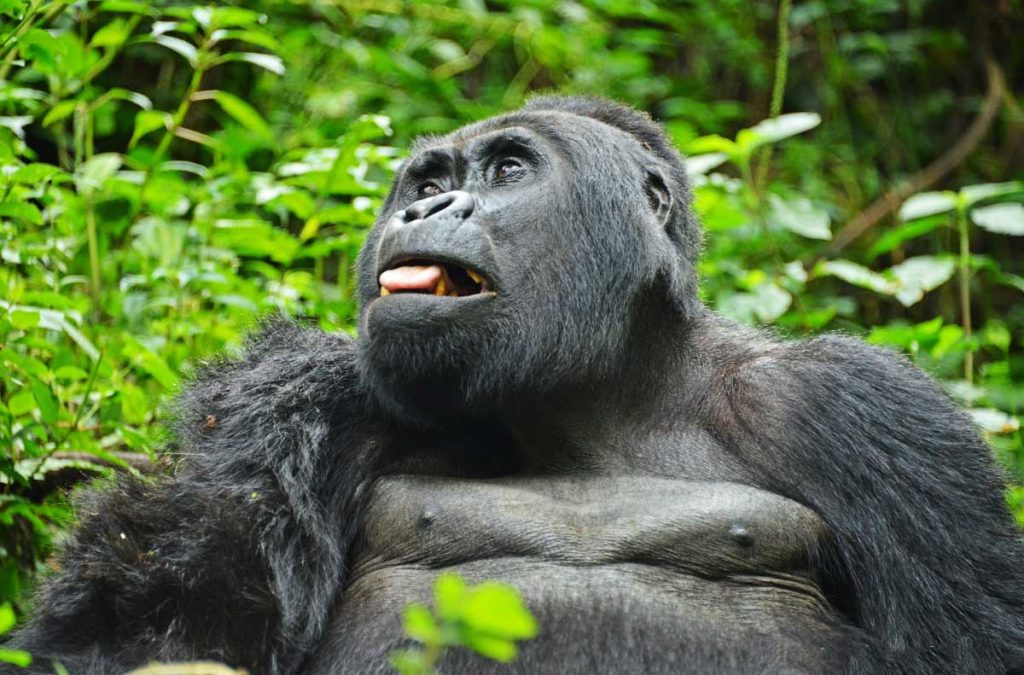
- Gorilla Trekking: $800 (Uganda) to $1,500 (Rwanda).
- Hot Air Ballooning: $450–$600 per person.
- Walking Safaris: Often require a specialized armed ranger, adding $50–$100 to the daily fee.
-
The Hidden Grit: Additional Expenses
When calculating your 2026 safari manifest, you must account for the costs that don’t appear on the lodge’s per-night rate.
|
Expense Category |
Estimated Cost (USD) |
2026 Mission Impact |
|
International Flights |
$800 – $2,500 |
Rarely included in safari packages. |
|
Park Entry Fees |
$30 – $150 / Day |
Critical for conservation funding; often paid at the gate. |
|
Gratuity (Tips) |
$15 – $25 / Day |
Standard for guides, trackers, and lodge staff. |
|
Visas / eTAs |
$30 – $100 |
Kenya’s eTA is $30; East African Tourist Visa is $100. |
|
Travel Insurance |
$150 – $300 |
Essential for Emergency Evacuation from remote sectors. |
-
Why Safari is Worth the Capital: The Conservation Dividend
In 2026, safari pricing isn’t just about profit; it’s about Bio-Security. Approximately 30%–40% of a high-end safari’s cost goes toward:
- Anti-Poaching Units: Funding 24/7 armed protection for rhinos and elephants.
- Community Stabilization: Ensuring local communities benefit from tourism so they aren’t forced into poaching or land encroachment.
- Habitat Restoration: Lease fees for private conservancies that expand the range of endangered species.
-
2026 Tactical FAQ: Cost Management
Can I do a safari for under $150 a day?
Yes, but it usually involves Self-Drive and Public Campsites. In countries like South Africa or Namibia, you can rent a 4×4 with a rooftop tent. You will be responsible for your own cooking, navigating, and spotting, which increases the Grit but lowers the capital requirement.
Why are Tented Camps sometimes more expensive than hotels?
In 2026, a Luxury Tented Camp is not a camping trip. These are high-performance structures built in remote, roadless areas. All supplies, from the French champagne to the solar batteries, must be flown in or trucked over hundreds of miles of wilderness. You are paying for the Exclusivity of the Location.
Is it cheaper to book last-minute?
Negative. Unlike city hotels, safari lodges have very limited capacity (often only 8–12 rooms). For the 2026 Peak Season, most elite lodges sell out 12 months in advance. Booking last-minute usually results in higher flight costs and staying in sub-optimal sectors.

Conclusion: Finalizing Your 2026 Manifest
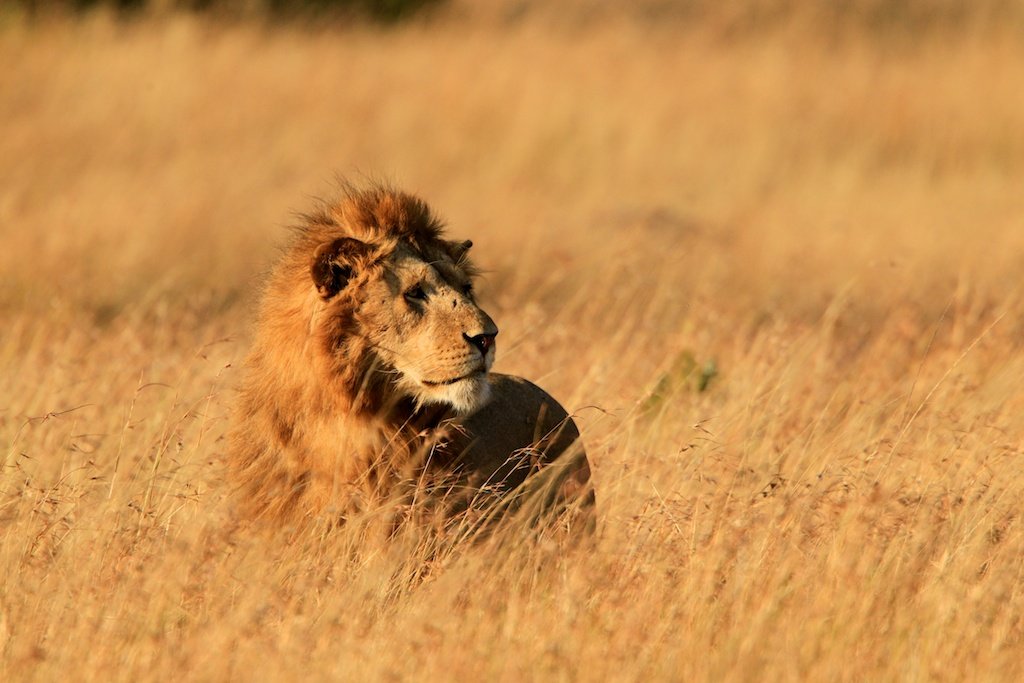
An African safari is a high-fidelity investment in your own Standard of Truth. Whether you spend $2,000 or $20,000, the emotional return on witnessing the Great Migration or tracking a pride of lions is unparalleled in the travel world.
By understanding the cost breakdown, from the $125 budget tent to the $1,500 luxury suite, you can align your capital with your mission goals.
Ready to calculate your specific 2026 safari budget?
Our architects at Primate World Safaris can provide a Cost-vs-Encounter audit for your preferred dates, ensuring you get the maximum wildlife fidelity for your investment.
Would you like us to run a 24-hour Live Quote for a 7-day Mid-Range vs. Luxury circuit in your chosen sector?
See our 5-day SAMPLE itinerary for Gorillas & Wildlife in Uganda from $1,826 per person