
The Urban Expedition Guide
In Kampala, it has transformed into a high-velocity African metropolis. Often described as the City of Seven Hills, though it now spans over 21, Uganda’s capital is a masterclass in urban resilience, blending deep royal heritage with a massive modernization boom. From the newly rehabilitated road networks of the Kampala City Roads Rehabilitation Project (KCRRP) to the digital-first super app economy, Kampala is no longer just a transit point for safaris; it is a standalone mission for the culturally curious.
At Primate World Safaris, we view Kampala as the Biometric Heart of the country. To truly experience the city, you must navigate its historical summits and its chaotic, low-altitude commercial arteries with equal precision.
-
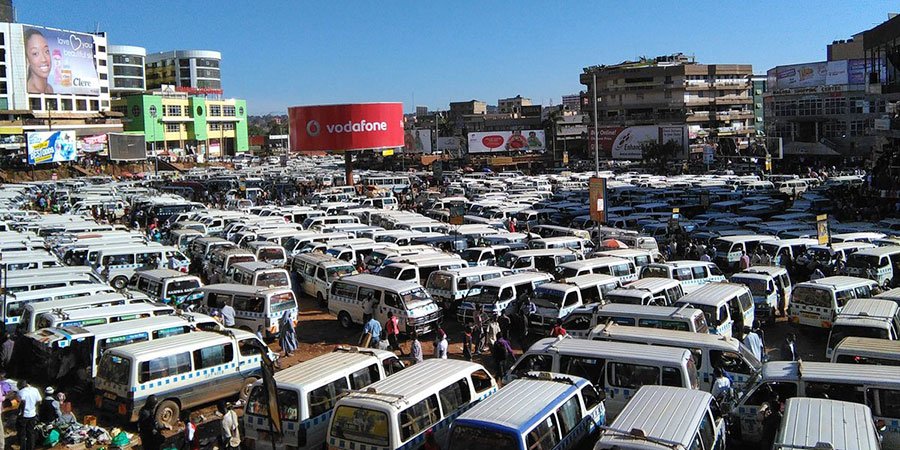
Local Taxis in downtown Kampala – the capital of Uganda
Top Cultural & Historic Landmarks: The Hilltop Protocol
Kampala’s geography is its history. Each hill was strategically claimed by religious or royal entities, creating a skyline of architectural diversity.
The Buganda Kingdom Heritage
- Kasubi Tombs (UNESCO World Heritage Site): Following the successful completion of major restorations in 2024–2025, the tombs of the Buganda Kings are once again fully accessible. The Muzibu-Azaala-Mpanga, the main thatched building, is a masterpiece of Ganda architecture using bark cloth and spear grass.
- Kabaka’s Palace (Lubiri): Located on Mengo Hill, this palace serves as the seat of the Buganda King. For a sombre technical audit of Uganda’s history, visit the Idi Amin Torture Chambers on the grounds, where the subterranean concrete bunkers remain a haunting testament to the 1970s.
Religious Landmarks
- Uganda National Mosque (Gaddafi Mosque): Situated on Old Kampala Hill (the city’s original birthplace), this is the largest mosque in East Africa. Climbing the minaret is mandatory; it provides the Standard of Truth for city views, a 360-degree panoramic scan of the sprawling hills.
- The Baha’i Mother Temple of Africa, located on Kikaya Hill, is the only Baha’i temple on the continent. Its emerald-green dome and tranquil gardens provide a high-fidelity mental reset from the city’s urban friction.
- Rubaga & Namirembe Cathedrals: These hilltop cathedrals (Catholic and Anglican, respectively) offer colonial-era architecture and historical archives dating back to the late 19th century.
-
Local Markets & Street Life: Navigating the Heartbeat
To understand Kampala, you must enter its High-Density Zones. These markets are the city’s primary logistics hubs for food, textiles, and culture.
The Market Matrix
| Market | Technical Specialty | Vibe |
| Owino Market | Second-hand textiles, spices, and traditional medicine. | Chaotic, high-energy, authentic. |
| Nakasero Market | High-quality organic tropical fruits and vegetables. | Vibrant, aromatic, central business district. |
| Buganda Road Craft Village | Hand-painted art, Kitenge fabrics, wood carvings. | Optimized for high-end souvenirs. |
The Rolex Strategy
You have not officially cleared your Kampala mission until you have consumed a Rolex. In this, street food has reached Global Icon status.
- The Build: A fresh vegetable omelette (cabbage, onions, tomatoes) rolled inside a hot chapati.
- The Etymology: Derived from Rolled Eggs, the playful joke remains: In Uganda, we don’t wear a Rolex, we eat it.
- Update: Visit the Rolex Festival in August or stop by a roadside vendor in Wandegeya for the most authentic student-style version.
-
Practical Travel Tips: Logistics & Security
Transportation: The SafeBoda Standard
The motorcycle taxi (Boda Boda) remains the fastest way to bypass Traffic Lag. However, safety is the primary variable.
- The App Economy: Utilize SafeBoda. Their riders are trained, identifiable by orange helmets, and carry a spare helmet for the passenger.
- Private Hire: For longer missions, use car-hailing services like Uber or Bolt, which now offer Business Class options for more comfortable city transfers.
Best Time to Deploy
- Dry Seasons: June to August and December to February. These windows offer the best visibility and less mud for walking tours.
- Urban Climate: Kampala is equatorial; even in the dry season, a sudden tropical burst of rain is common. Always carry a lightweight shell.
Safety & Security
Kampala is statistically one of the safest capitals in Africa for tourists. However, follow these Standard Operating Procedures (SOPs):
- Low Profile: Do not flash 8K camera gear or high-value smartphones in crowded markets like Owino.
- Night Ops: Stick to well-lit nightlife hubs in Kololo, Nakasero, or Muyenga.
- Vigilance: Avoid walking alone late at night in unfamiliar neighbourhoods.
-
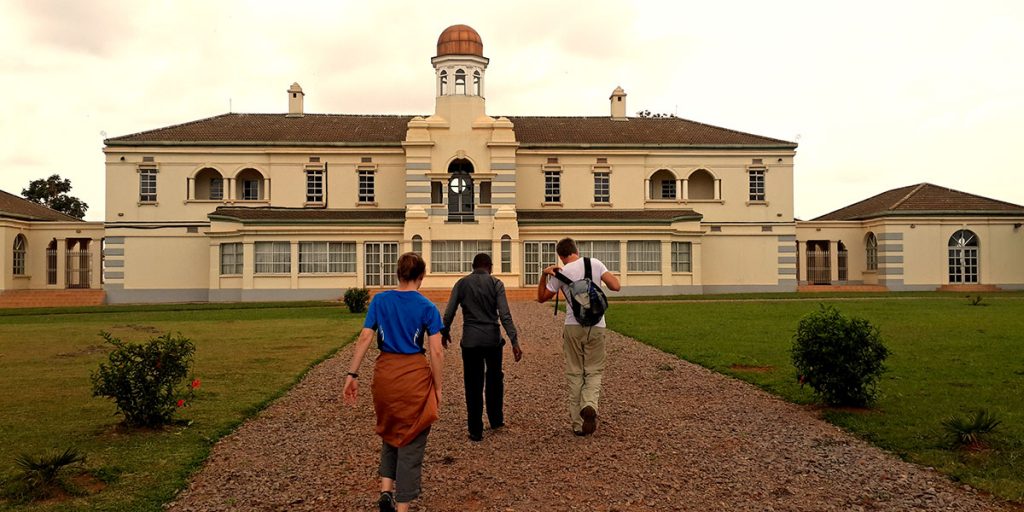
lubiri-Kampala
Nature Near the City: Quick Retreats
If the urban energy reaches a System Overload, these retreats are accessible within 45–90 minutes:
- Mabamba Swamp: A high-fidelity birding mission to find the prehistoric Shoebill Stork.
- Ngamba Island Chimpanzee Sanctuary: A 45-minute boat ride on Lake Victoria to visit orphaned primates.
- Jinja (The Adventure Capital): A 2-hour transfer (via the new expressway links) for white-water rafting at the Source of the Nile.
Conclusion: The Kampala Verdict
Kampala is a city of layers. It is the grit of the market floor and the serenity of the cathedral dome. In, it is a modern hub that has refused to trade its soul for skyscrapers. By following this guide, you ensure your experience is defined by the depth of your encounter, not the friction of the logistics.
Are you ready to book a Hidden Kampala walking tour, or do you need our curated list of boutique hotels in Kololo?